
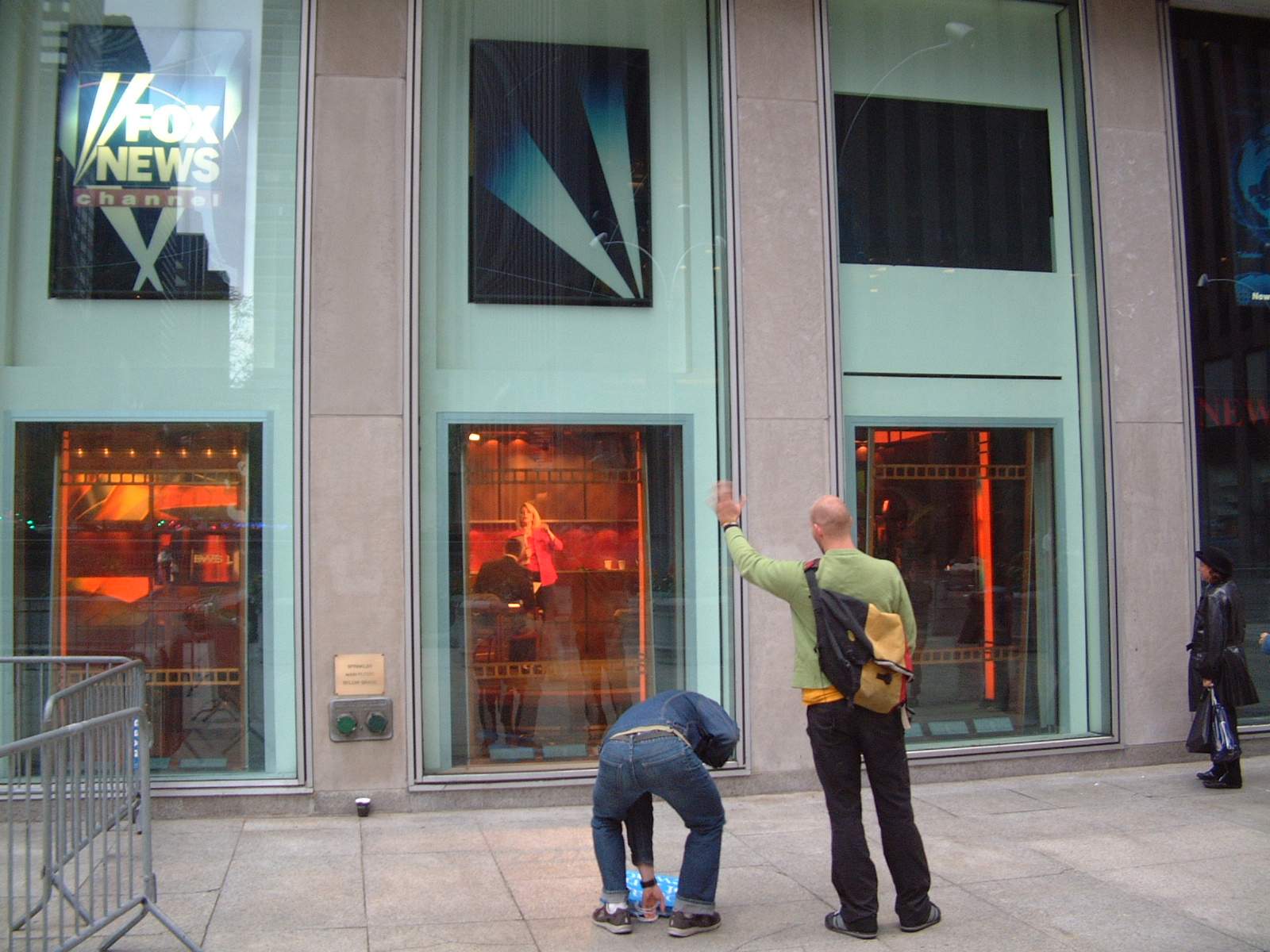
The reaction shows how a format built on argument can still test loyal viewers when immigration, policing and partisan frustration collide on air.
Fox News viewers criticized The Five after ICE-related coverage this week, as Fox News fans turned their frustration toward the panel, viewers threatened to boycott the network, and the segment was described as a “hard watch.” The backlash, reported by the Daily Express US after reaction to a clip shared on X, centered less on ICE alone than on The Five’s on-air clash involving Greg Gutfeld and Jessica Tarlov.
For a program built on crossfire, the reaction shows how quickly an audience that expects combat can sour when one panelist becomes the focus of frustration. The anger landed during a discussion of President Donald Trump’s ICE crackdown, alleged violence connected to the broader immigration debate, and the way political opponents talk about one another.
The backlash started with ICE
According to the Daily Express US, The Five panel included Greg Gutfeld, Jessica Tarlov, Jesse Watters, Dana Perino and Emily Compagno during the segment that drew the audience reaction. The show moved through several political topics before turning to the ongoing controversy around ICE.

Gutfeld delivered a long argument linking political demonization to violence. He said both sides could be guilty of avoiding debate, but his comments focused heavily on what he described as progressive leaders treating opponents as evil rather than engaging with ideas.
His point was not limited to ICE. He widened it to the border, crime, transgender issues, college speakers and accusations around Israel and Trump. The thread of his argument was that once people stop talking to one another and start labeling the other side as monstrous, public life can move closer to confrontation.
That kind of sweeping monologue is familiar territory for The Five, but this time the follow-up exchange appeared to be what irritated some viewers. Tarlov pushed back, referencing polling and bringing up the ICE-related cases of Renee Good and Alex Pretti, according to the Express account.
Why viewers called it difficult
The loudest complaints cited in the report were not simply about the substance of immigration policy. They were aimed at Tarlov’s presence on the panel and the way the exchange changed the feel of the episode.
One viewer wrote on X that they tried to watch but could not get through the episode, adding that Tarlov’s voice gave them “high blood pressure.” Another said Tarlov “ruins the show” for many viewers and objected to her being scheduled for the rest of the week.
Others said they turned the episode off or skipped it because Tarlov was on. One complaint mocked her use of polling, turning the phrase into a target of frustration rather than engaging with the poll numbers themselves.
That is why “hard watch” matters here. The phrase signals fatigue, not just disagreement. These viewers were not saying The Five had become too calm or too neutral; they were saying the familiar friction had crossed into irritation.
A dissenting seat by design
The twist is that The Five is built to create exactly this kind of ideological collision. The format depends on a panel that does not speak with one voice, even though the show’s core audience is strongly associated with Fox News’ conservative opinion programming.
Tarlov’s role is often to challenge the dominant conservative framing on the panel. For some viewers, that makes the show more complete. For others, especially on a subject as charged as ICE, the dissenting seat can feel less like balance and more like an interruption.
That tension is not accidental. A show with no argument risks becoming predictable. A show with too much argument risks becoming exhausting. The backlash suggests that some loyal viewers want disagreement only up to a point — enough to sharpen the conservative case, but not enough to derail the rhythm they tune in for.
Gutfeld and Tarlov’s clash also shows a deeper split in political television. Hosts may be debating policy and rhetoric, while viewers are often reacting to tone, repetition and personality. A poll reference, a raised voice or a recurring panelist can become the thing people remember more than the issue being discussed.
ICE coverage raises the stakes
Immigration enforcement is one of the most combustible topics in cable news, and ICE coverage tends to bring together several arguments at once: border security, local crime, federal power, protest, deportation policy and the treatment of migrants.
That helps explain why a segment about ICE could turn into a broader debate about violence and speech. Gutfeld’s comments, as quoted by the Express, argued that refusing to debate opponents can leave “only” violence. Tarlov’s response, by contrast, brought in polling and specific ICE-related cases.
Those are different types of arguments. One is a cultural diagnosis about how political rhetoric escalates. The other points toward public opinion and real-world incidents. On a panel show, those approaches can collide quickly because each side appears to be answering a different question.
For viewers already primed to dislike one panelist’s style, that difference can read as obstruction. For viewers who value a dissenting argument, it may read as necessary pushback. The same segment can feel like accountability to one part of the audience and like sabotage to another.
Social media is not the whole audience
The backlash is real as a visible reaction, but it should be read carefully. The comments highlighted in the report came from viewers responding online after the segment was shared on X. That does not prove a mass rejection of The Five or a measurable drop in support for Fox News.
Social media often amplifies the sharpest complaints because anger is easier to quote and share than mild approval. A handful of posts can capture a mood, but they do not necessarily represent the full audience watching at home.
Still, networks pay attention to recurring viewer patterns, especially around personalities. When complaints repeatedly name the same panelist, object to the same dynamic and describe the same behavior — turning off the show — it becomes a useful signal, even if it is not a scientific sample.
There was no indication in the available report that Fox News or The Five announced any programming change in response. There was also no public response included from Tarlov, Gutfeld or the network addressing the criticism.
The real pressure on The Five
The immediate story is that some Fox News viewers blasted The Five after an ICE discussion and threatened to boycott. The larger story is about how opinion shows manage loyal audiences that want energy, certainty and conflict — but only in a form they find satisfying.
The Five’s strength is that it can turn the day’s political fights into a fast-moving table argument. Its risk is the same thing. When the argument becomes more about the panel than the issue, viewers may stop hearing the point and start reacting to the person making it.
That is what appears to have happened here. ICE was the spark, Gutfeld’s monologue set the frame, Tarlov’s rebuttal drew the heat, and Fox viewers on X turned the exchange into a complaint about the show itself.
Whether that fades after one episode or becomes part of a larger audience frustration depends on what Fox does next — and whether viewers who say they are done actually stay away. For now, the episode is a reminder that in cable news, even a built-in argument can become too much for the people who came to watch one.








Leave a Reply