
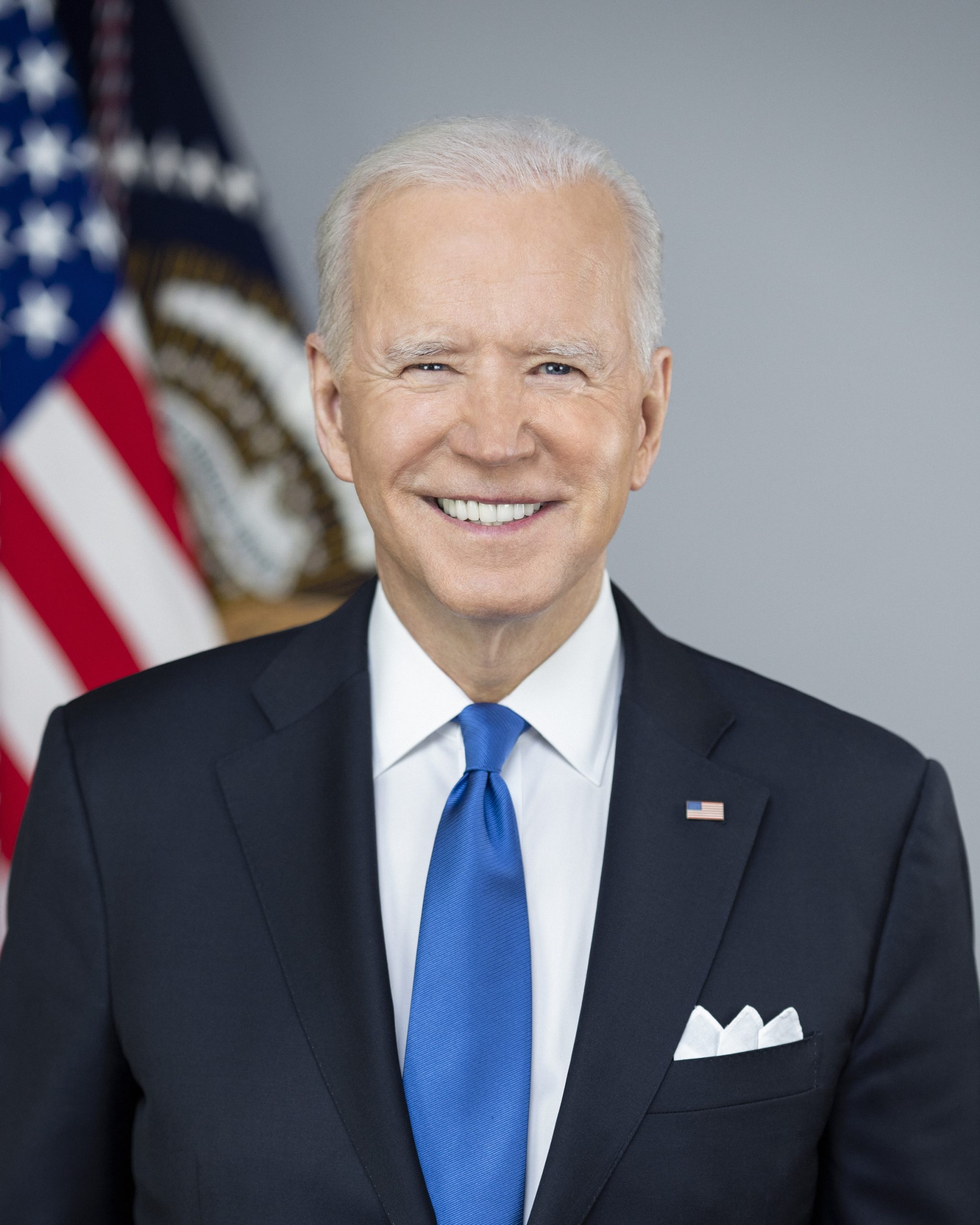
The fight over Biden’s border record is no longer just about past policy. It is shaping how both parties talk about enforcement, asylum and public trust now.
The Biden administration forced a false choice on Americans about immigration, critics argue, by treating Joe Biden’s immigration policy as a choice between humane treatment and border control. Biden’s immigration policy mistakes now matter because they are shaping the political debate over what Americans should expect from Washington on enforcement, asylum and legal pathways.
The sharper question is not whether immigration is hard. It is whether the Biden administration made it harder by framing the issue in a way that left voters doubting both its competence and its priorities.
A false choice with consequences
The “false choice” argument is simple: Americans were often asked to accept that a more welcoming immigration system required looser enforcement, or that tougher enforcement required abandoning humanitarian commitments. That framing gave both parties room to retreat into slogans.
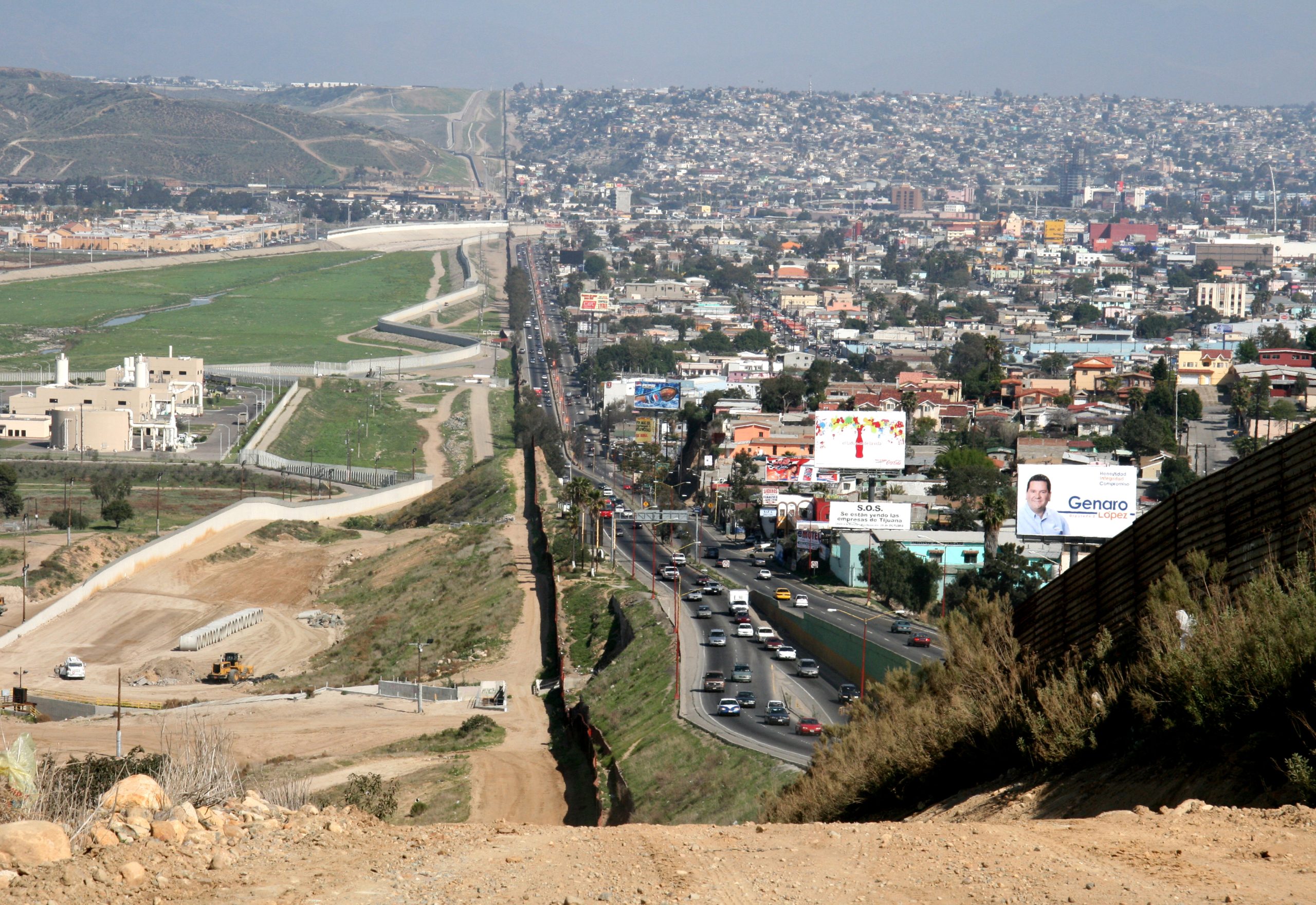
For Biden, the political damage came from the gap between values and execution. He entered office promising a break from Donald Trump’s immigration approach. But when border pressures grew, the administration struggled to persuade voters that it had a durable plan.
That matters because immigration policy is one of the few issues where government capacity is visible in real time. People may disagree on asylum, work permits, deportations or border walls, but they notice when the system appears overwhelmed.
The practical effect was a loss of trust. Many voters who support immigration in principle still want rules that are predictable, enforced and understandable. When that balance fails, the debate hardens fast.
What reporting says went wrong
The New York Times, in a 2025 analysis of Biden’s immigration record, reported that its account was based on interviews with more than 30 former Biden administration officials who worked on immigration and the border. The piece argued that Biden’s early decisions helped shape the conditions that followed, including Trump’s later push to overhaul border enforcement and expand deportations.
That reporting is important because it moves the conversation beyond campaign rhetoric. Former officials, speaking after leaving government, described a presidency caught between legal constraints, progressive pressure, operational strain and Republican attacks.
Critics say Biden rejected or delayed steps that might have eased border pressures sooner. Defenders counter that his administration inherited a damaged system, faced pandemic-era disruptions and operated under laws that Congress has repeatedly failed to modernize.
Both points can be true. A president can inherit a broken immigration system and still make choices that worsen public confidence in it.
The numbers are not simple
Immigration statistics can sound definitive, but even the government’s own definitions show why the debate gets muddy. The Office of Homeland Security Statistics says Customs and Border Protection encounter data includes events involving removable noncitizens recorded by Border Patrol and the Office of Field Operations.
That means an “encounter” is not the same thing as a unique person. The office notes that people encountered more than once during a reporting period are counted multiple times in the tables.
This distinction matters because political arguments often turn encounter totals into sweeping claims about “how many people came in.” Some encounters lead to expulsions or removals. Some involve people seeking admission at ports of entry. Some involve repeat crossings.
Still, the definitional caveat does not erase the political reality. When encounter numbers rise and images of disorder dominate, voters rarely parse administrative categories. They judge whether the government appears to be in control.
Compassion versus control failed
The Biden-era debate exposed a trap Democrats have struggled to escape: defending immigrants’ rights without sounding indifferent to enforcement. Republicans exploited that opening by arguing that Democrats had lost control of the border.
But the opposite framing is also flawed. A system built only around deterrence can ignore labor needs, family realities, asylum obligations and the fact that migration does not stop because politicians demand it.
The real policy challenge is pairing credible enforcement with lawful channels that work. That means faster asylum decisions, clearer consequences for ineligible claims, more capacity at immigration courts and legal pathways that match economic and humanitarian needs.
Those ideas are not as clean as campaign slogans. They require money, staffing, technology, diplomacy and legislation. They also require politicians to admit that no president can solve immigration alone through executive action.
Americans felt the breakdown
The impact on Americans was not abstract. Border communities faced pressure first, but the political fallout spread as cities and states far from the border dealt with newly arrived migrants, shelter demands and arguments over who should pay.
Employers continued to seek workers in industries that rely heavily on immigrant labor. Families with mixed immigration status faced uncertainty. Asylum seekers waited in backlogged systems. Local officials complained that federal policy left them managing consequences without enough support.
That is why the false-choice critique has staying power. It captures a frustration shared by people with very different views: the sense that Washington keeps asking the public to choose between order and decency because it cannot deliver both.
For Biden’s critics, that failure was ideological. For some Democrats, it was managerial and political. For immigration advocates, the deeper failure remains Congress’ refusal to build a system that can handle modern migration humanely and efficiently.
The debate Biden left behind
Biden’s record is now part of the argument both parties are making about what comes next. Trump and his allies point to the border as proof that a much tougher approach has public backing. Democrats are trying to absorb the lesson without surrendering their broader support for immigrant communities.
The risk for Democrats is treating the lesson as purely rhetorical. Voters who lost confidence in Biden’s border management are unlikely to be won back by softer language alone. They will look for evidence that legal immigration, asylum and enforcement can function at the same time.
The risk for Republicans is overreading voter frustration as a blank check for maximal enforcement. Public concern about border disorder does not necessarily mean support for every deportation tactic, every restriction or every reduction in legal immigration.
The unresolved question is whether either party can move beyond the binary. The Biden administration’s immigration legacy shows how costly it can be when Americans are offered a choice between compassion and control. A working system has to prove that both are possible.







Leave a Reply