
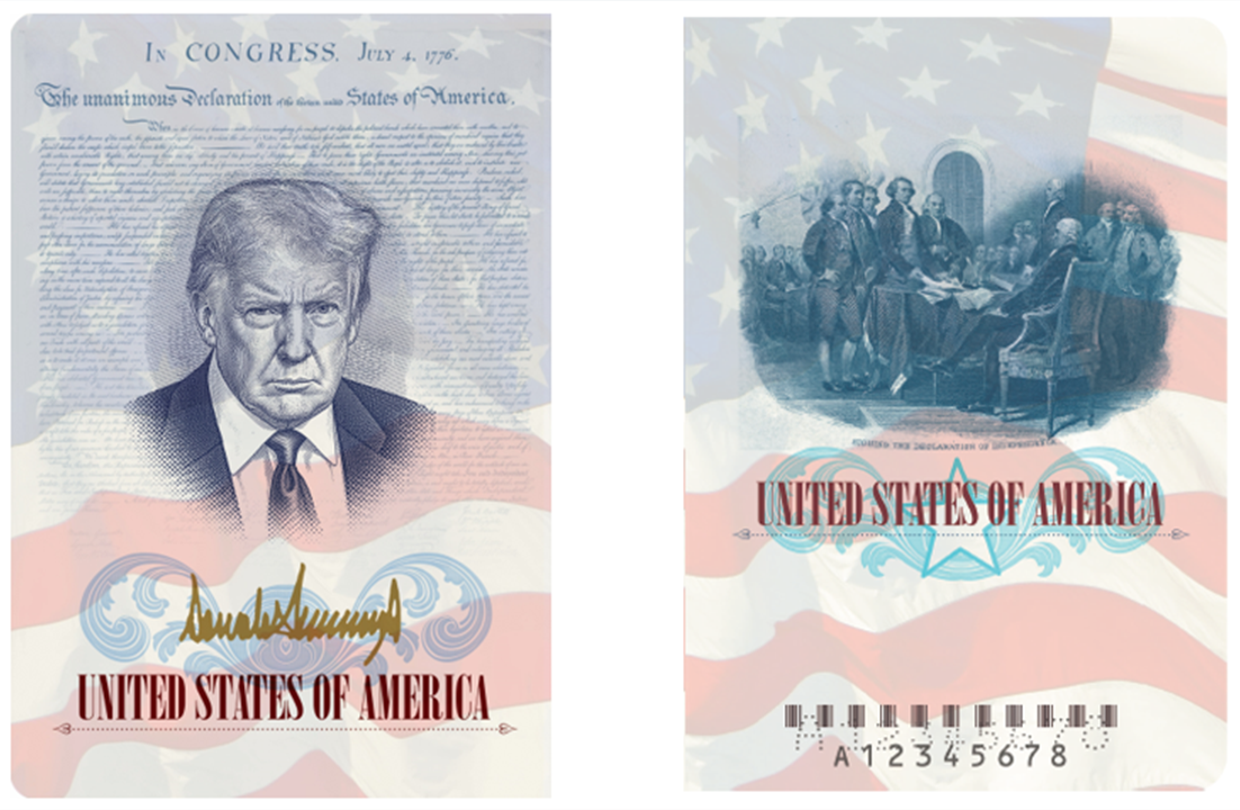
The fight is about more than one fundraising pitch. It shows how the nation’s 250th birthday has become a political branding battle with real donor-trust stakes.
America’s 250th birthday was supposed to be easy political territory: flags, fireworks, history and a broad national celebration.
Instead, a new allegation from House Democrats has pushed the anniversary into a sharper fight over money, branding and whether donors knew where their checks were really going.
The allegation at the center
House Democrats allege that some donors who intended to support America250, the bipartisan effort tied to the nation’s semiquincentennial, were instead directed to a separate Trump-backed initiative called Freedom 250.
The Washington Post reported that the Democratic report cites whistleblower interviews and newly obtained documents. According to that report, lawmakers allege donors were steered under false pretenses away from America250 and toward the rival effort.
The accusation is politically explosive because it frames the dispute not as ordinary competition for donors, but as a possible deception involving patriotic fundraising. A separate Washington Post account said Democrats accused Trump-linked consultants of possible financial fraud related to donations for the anniversary celebration.
Those are allegations, not findings by a court or enforcement agency. But they land in a sensitive space: fundraising around a public national milestone, where the names, logos and implied official status of groups can matter as much as the pitch itself.
Why America250 matters
America250 is associated with the broad effort to mark 250 years since the nation’s founding. The anniversary, also called the semiquincentennial, is expected to bring public events, private sponsorships, patriotic programming and a flood of civic messaging.
That kind of milestone naturally attracts donors. Corporations, philanthropists and wealthy political supporters often want to be attached to high-profile national celebrations, especially ones that can be presented as nonpartisan or civic rather than campaign-style politics.
That is why the distinction between America250 and a Trump-aligned group matters. To an ordinary donor, both may sound connected to the same anniversary. To political operatives, the difference can mean control over money, events, access and message.
If donors believed they were giving to a bipartisan national effort but were routed elsewhere, the issue becomes more than a paperwork dispute. It becomes a question of informed consent in fundraising.
Freedom 250 denies the claims
Freedom 250 has denied the allegations, according to The Washington Post. That denial is central, because the Democratic report presents one side of a dispute that may now face more scrutiny from reporters, political opponents and potentially oversight bodies.
The group’s defense has not erased the basic tension. Democrats are alleging a deliberate diversion of money. Freedom 250 is rejecting that framing. The facts that matter most are likely to be found in solicitations, donor communications, internal emails and records showing how prospective contributors were approached.
In fundraising disputes, wording can do a lot of work. Did a pitch clearly identify the recipient? Did it imply an official relationship with America250? Were donors told their money would support one effort while payment instructions routed them to another?
Those questions are not cosmetic. They go to the heart of whether contributors were confused, misled or simply persuaded to support a different project.
A donor-trust problem
The controversy highlights a recurring problem in modern political fundraising: names and affiliations can be engineered to sound official, patriotic or broadly civic even when a group has a specific political alignment.
That is not automatically improper. Advocacy groups, nonprofits and political committees often use emotional branding. But when a campaign-adjacent or administration-aligned effort competes with a bipartisan anniversary organization, the potential for confusion grows.
For donors, the practical lesson is blunt. A familiar national theme is not the same thing as an official recipient. Before giving, contributors should confirm the legal name of the entity receiving funds, check whether the payment page matches the pitch, and ask whether the donation is tax-deductible, political, charitable or something else.
Large donors usually have advisers to vet these details. Smaller donors often do not. That gap makes clear disclosures especially important when fundraising appeals lean on patriotic language.
Why the fight is political
The timing makes the dispute even more charged. A 250th anniversary celebration gives any president a powerful stage: speeches, ceremonies, historical symbolism and images of national unity.
For Donald Trump and his allies, a parallel or administration-backed effort could help shape how the anniversary is presented to the public. For Democrats, the concern is that a civic milestone is being used to build a branded political operation around the president.
That is why the alleged donor diversion has drawn attention beyond fundraising mechanics. The fight is also about who gets to define the national story at a moment designed to be bigger than one administration.
America’s founding anniversary can be framed as a shared civic event, a culture-war stage, a presidential showcase or a donor-backed media spectacle. Money helps decide which version gets built.
What remains unanswered
Several key facts remain unclear in public reporting so far, and they will determine how serious the controversy becomes.
- How many donors were affected: The reports refer to some donors, but the full scale has not been established publicly.
- How much money is involved: The total dollar amount allegedly diverted has not been clearly settled in the available reporting.
- What donors were told: The most important evidence may be emails, pitch decks, scripts, invoices and payment instructions.
- Whether regulators get involved: Allegations from lawmakers do not automatically mean a legal violation has been found.
- How America250 responds: The official anniversary effort’s handling of donor confusion could shape confidence going forward.
For now, the safest reading is this: House Democrats have made a serious allegation, Freedom 250 denies it, and the documents behind the fundraising pitches matter more than the political spin around them.
The broader damage may already be done. A celebration meant to mark a shared national birthday is now tangled in a fight over whether patriotism was used as a fundraising shortcut. That is a hard image to shake before the fireworks even start.










Leave a Reply