
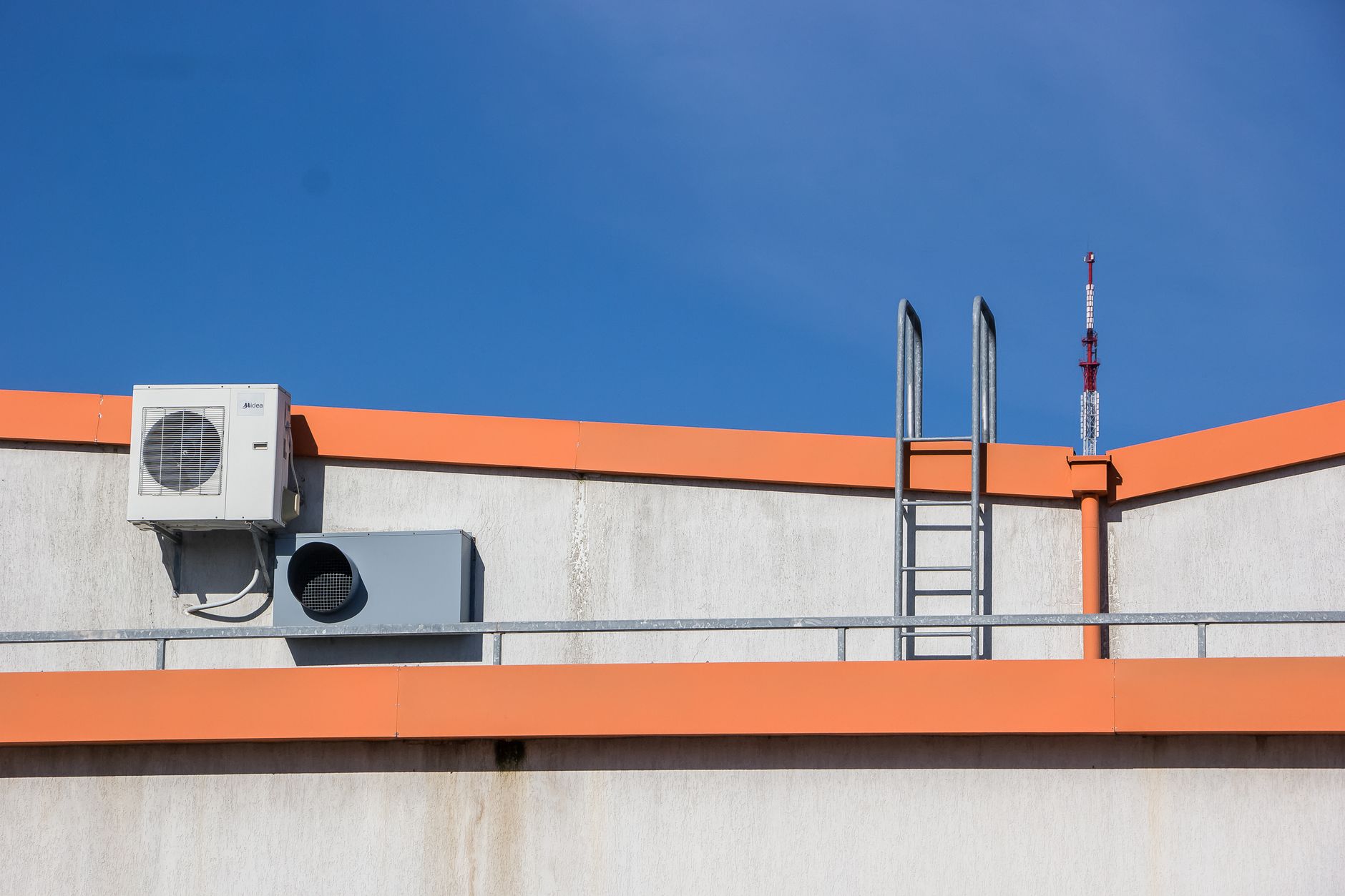
Cranking the thermostat down can raise your bill and strain your system without cooling your home faster. A few small changes can make 78 feel better and help prevent a mid-heat-wave breakdown.
When a heat wave parks itself over your neighborhood, the instinct is simple: shove the thermostat down and wait for relief. The problem is that your air conditioner may not reward you for that panic move.
HVAC guidance points to a less dramatic number: 78 degrees when you are home, with a higher setting when you are away. That may sound warm, but during extreme heat, it can be the difference between a system that keeps up and one that runs itself into trouble.
78 Is the Starting Point
The Department of Energy recommends setting the thermostat to 78 degrees when you are home and need cooling, according to HVAC manufacturer Trane’s heat-wave preparation guidance. Trane also points to 80 degrees as a typical away-from-home setting.
That does not mean every person in every house will feel comfortable at exactly 78. A shaded, well-insulated home with ceiling fans may feel fine there. A sunny top-floor apartment with old windows and high humidity may not.
The useful part of the number is the principle behind it: set the thermostat as high as you comfortably can while still staying safe. The smaller the gap between outdoor and indoor temperatures, the less punishing the job is for your cooling system.
In a mild summer afternoon, a few degrees may not feel like a big deal. In a heat wave, when outdoor temperatures are in the upper 90s or above 100, every degree you demand from the AC can add strain, runtime and cost.
Lower Does Not Cool Faster
One of the most common heat-wave mistakes is coming home to a hot house and dropping the thermostat to 68 or 65. It feels logical. It is also not how most home cooling systems work.
Your AC does not cool faster because you picked a much lower target. It generally runs at the same cooling rate until the home reaches the setting. A drastic drop simply tells the system to run longer, which can stress equipment that is already fighting extreme outdoor heat.
That extra runtime matters. During a heat wave, the outdoor unit is trying to dump heat into air that is already hot. If coils are dirty, airflow is restricted or the system is aging, the added pressure can expose problems fast.
A smarter move is to use a programmable or smart thermostat to prevent the house from getting brutally hot in the first place. Letting the temperature rise a few degrees while you are away can save energy, but allowing the house to bake all day may make the evening cooldown harder than it needs to be.
Your House Can Help
The thermostat is only one part of the heat-wave equation. Your AC is not just cooling air; it is battling sunlight, leaks, cooking heat, laundry heat and every door that opens to the outside.
Trane recommends reducing the load on the system with basic steps that are easy to overlook. Close curtains, shades or blinds during the brightest parts of the day. Sun pouring through windows can turn rooms into small greenhouses.
Seal obvious gaps around doors and windows if you can do so safely and quickly. Even temporary fixes, such as weatherstripping or draft blockers, can help keep cooled air where you paid for it to be.
Shift heat-producing chores later. Ovens, stovetops and dryers can push extra heat into the home right when the AC is working hardest. Waiting until evening, using smaller appliances or choosing no-cook meals can make the house easier to cool.
Fans Make 78 Feel Better
Fans do not lower the room temperature, but they can make people feel cooler. Moving air helps sweat evaporate from skin, creating a wind-chill effect indoors.
Trane notes that fans can make you feel up to about 4 degrees cooler. That is why a 78-degree room with a ceiling fan may feel closer to the comfort you expected from a lower thermostat setting.
There is one catch: fans cool people, not empty rooms. Leaving a fan running in a room nobody is using wastes electricity and adds a tiny bit of motor heat. Turn fans off when you leave.
At night, fans can be especially helpful if you are trying to sleep with the thermostat a bit higher. A cool shower before bed, lighter bedding and closed daytime blinds can also help make a warmer setting feel more manageable.
The Filter Is Not Optional
A dirty air filter is one of the simplest ways to sabotage your AC during a heat wave. Restricted airflow forces the system to work harder and can reduce cooling performance right when you need it most.
Trane’s heat-wave guidance puts filter checks near the top of the list. The company notes that a standard 1-inch filter may need replacement about every 30 days, while higher-quality filters can last longer depending on the type and home conditions.
Heat waves can change that schedule. If your system is running almost nonstop, or if you have pets, dust, wildfire smoke or construction nearby, the filter may clog faster than usual.
The outdoor unit matters too. Clear leaves, grass clippings and debris around the condenser. Trim vegetation so air can move freely. That outdoor airflow is how the system releases heat from inside your home.
When Comfort Becomes Safety
The 78-degree guidance is about efficiency and system strain, not a command to suffer through unsafe heat. Some households need cooler indoor temperatures, including homes with older adults, infants, people with certain health conditions or anyone who is not tolerating heat well.
If the home remains dangerously hot even with the AC running, treat that as more than an inconvenience. Local cooling centers, shaded public buildings and checking in with neighbors can matter during prolonged extreme heat.
The broader trend makes preparation more important. Trane cites Environmental Protection Agency findings that U.S. heat waves have become more common, more intense and longer lasting over recent decades. That means AC systems are being asked to perform under tougher conditions for longer stretches.
Watch for warning signs from the equipment: warm air from vents, unusual noises, weak airflow, ice on refrigerant lines or a system that never gets near the thermostat setting. Those are reasons to call for service rather than keep lowering the number.
The Best Setting Is Strategic
For most homes, 78 degrees is the right place to start during a heat wave. It balances comfort, energy use and the reality that your AC has limits when the outdoor temperature is extreme.
If 78 feels too warm, make the house work with you before you drop the thermostat: close the blinds, run fans in occupied rooms, avoid heat-producing appliances and check the filter. If you still need to go lower, do it by a degree or two at a time.
The real goal is not to win a thermostat contest. It is to stay safe, keep indoor conditions livable and avoid pushing your cooling system into a breakdown on the hottest day of the week.









Leave a Reply