
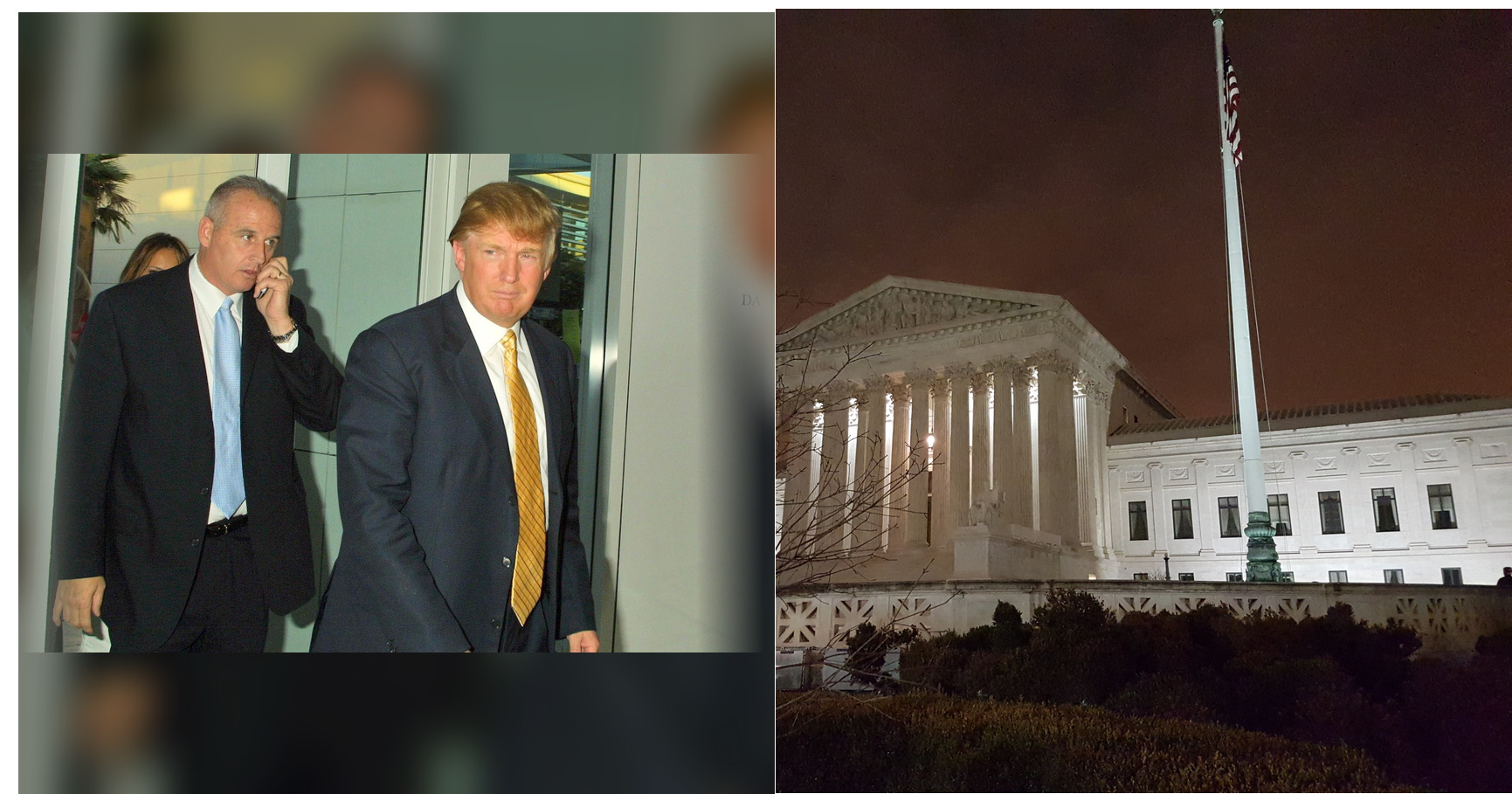
The order is not fully cleared, and the underlying constitutional fight is far from over. The ruling changes what the federal government may begin doing as states prepare for November voting.
The Supreme Court on Monday allowed Donald Trump to implement parts of an order restricting mail-in voting, pausing a Boston federal judge’s injunction that had blocked the Trump administration from applying key provisions before the November elections. The decision affects 23 states and the District of Columbia that challenged the order, but some parts remain legally contested.
The ruling does not settle whether Trump’s order is constitutional. It instead gives the administration temporary room to proceed while the courts continue to weigh who may sue, when they may sue and how far federal power can reach into state-run elections.
A temporary win, not final approval
The Supreme Court’s 10-page unsigned opinion put on hold an injunction issued by U.S. District Judge Indira Talwani in Boston. Talwani had barred the federal government from enforcing challenged provisions of Trump’s executive order in the 23 states and Washington, D.C., for the Nov. 3, 2026, elections.

The majority concluded that the states’ challenge came too soon because the order had not yet been carried out. In legal terms, the court found the claimed injuries were not sufficiently concrete for the lawsuit to proceed at this stage.
That procedural reasoning matters. The justices did not issue a definitive ruling that the executive order is lawful, nor did they decide that federal agencies may use every tool described in the order without later court review.
For now, though, the administration can begin preparing and implementing provisions that Talwani’s injunction had stopped, unless another court order applies.
What the executive order directs
Trump signed the executive order in March. The litigation that reached the Supreme Court centered on three provisions intended to reshape how federal agencies interact with states’ mail-ballot systems.
- The Department of Homeland Security is directed to create lists of adult U.S. citizens in each state and provide them to states at least 60 days before a federal election.
- The attorney general is directed to prioritize investigations and potential prosecutions of state and local officials who issue federal ballots to people allegedly ineligible to vote in a federal election.
- States are directed to provide the U.S. Postal Service with lists of voters expected to receive mail ballots, while the Postal Service is instructed not to deliver ballots to people absent from federal “enrolled” voter lists.
The practical effects will depend on how federal agencies translate those directives into actual programs. The Supreme Court emphasized that lack of implementation in deciding the case, leaving significant uncertainty over what a future, concrete rollout might look like.
The Postal Service limit still stands
The administration’s victory has an important boundary. A separate decision by Talwani, in a case brought by different plaintiffs, temporarily prohibits the U.S. Postal Service from implementing one provision of the executive order anywhere in the country.
That ruling remains in effect for now. In other words, the Supreme Court’s action does not currently authorize the Postal Service to carry out the ballot-mailing provision nationwide.
This distinction is easy to miss because both cases concern the same executive order. But the cases involve different plaintiffs, different injunctions and different legal postures. The result is a split picture: parts of the administration’s broader policy may move ahead, while the Postal Service restriction remains blocked.
For voters, election officials and postal workers, the most meaningful details may emerge not from the order’s language alone but from agency guidance and any additional court action in the weeks ahead.
States say election authority is at stake
California led the coalition of 23 states and the District of Columbia challenging the order in Massachusetts. Their central argument is that the executive order conflicts with constitutional provisions giving states substantial authority over voter eligibility and the time, place and manner of congressional elections.
Judge Talwani agreed that the states faced an immediate enough problem for the coming election. She found the order put them in a “direct and immediate dilemma” as they prepared for Nov. 3, even though she declined to review claims connected to elections scheduled after that date.
The U.S. Court of Appeals for the 1st Circuit initially refused to pause Talwani’s injunction. It reasoned that the states had no practical choice but to respond to the executive order before it was fully implemented.
Supporters of the administration frame the order differently. Solicitor General D. John Sauer told the Supreme Court that the injunction improperly blocked federal officials from finalizing policies the administration says are designed to promote election integrity. Alabama and 11 other states backed the administration’s position.
The dissent warned of election disruption
The court’s three Democratic appointees dissented. Justice Ketanji Brown Jackson wrote a 23-page opinion accusing the majority of overlooking what she described as the government’s aim of creating chaos ahead of the November elections.
The disagreement exposes a broader divide over emergency court orders. The majority focused on whether the states had a legally reviewable injury before federal agencies had fully acted. The dissent focused on the practical pressure states face when they must prepare election systems on a fixed timetable.
Neither position resolves the underlying policy dispute over mail voting. Backers of restrictions often argue that voter-list verification and enforcement efforts protect election administration. Critics argue that the order risks federal intrusion into state authority and could complicate access to legally cast mail ballots.
The Supreme Court’s ruling addresses the timing of the challenge, not the ultimate merits of those competing arguments.
November will test the ruling’s reach
The immediate question is how quickly the Trump administration moves and what it actually implements before absentee and mail voting begins in affected states. Sauer told the court that mail and absentee voting in some states was only about a month away when the administration sought emergency relief.
Additional lawsuits are possible as agencies issue specific guidance, build voter lists or attempt enforcement. A challenge that the Supreme Court considered premature could look different once a policy has a defined operation and identifiable consequences.
Election officials also face a practical problem: they must prepare for November under rules that could keep changing. The Supreme Court has removed one major obstacle to parts of the order, but the Postal Service injunction and the unresolved constitutional claims mean the legal landscape remains unsettled.
The clearest takeaway is limited but consequential. Trump’s mail-voting order has not received a final legal endorsement; it has received enough temporary clearance for parts of it to move forward while the courts continue deciding the larger fight.








Leave a Reply