
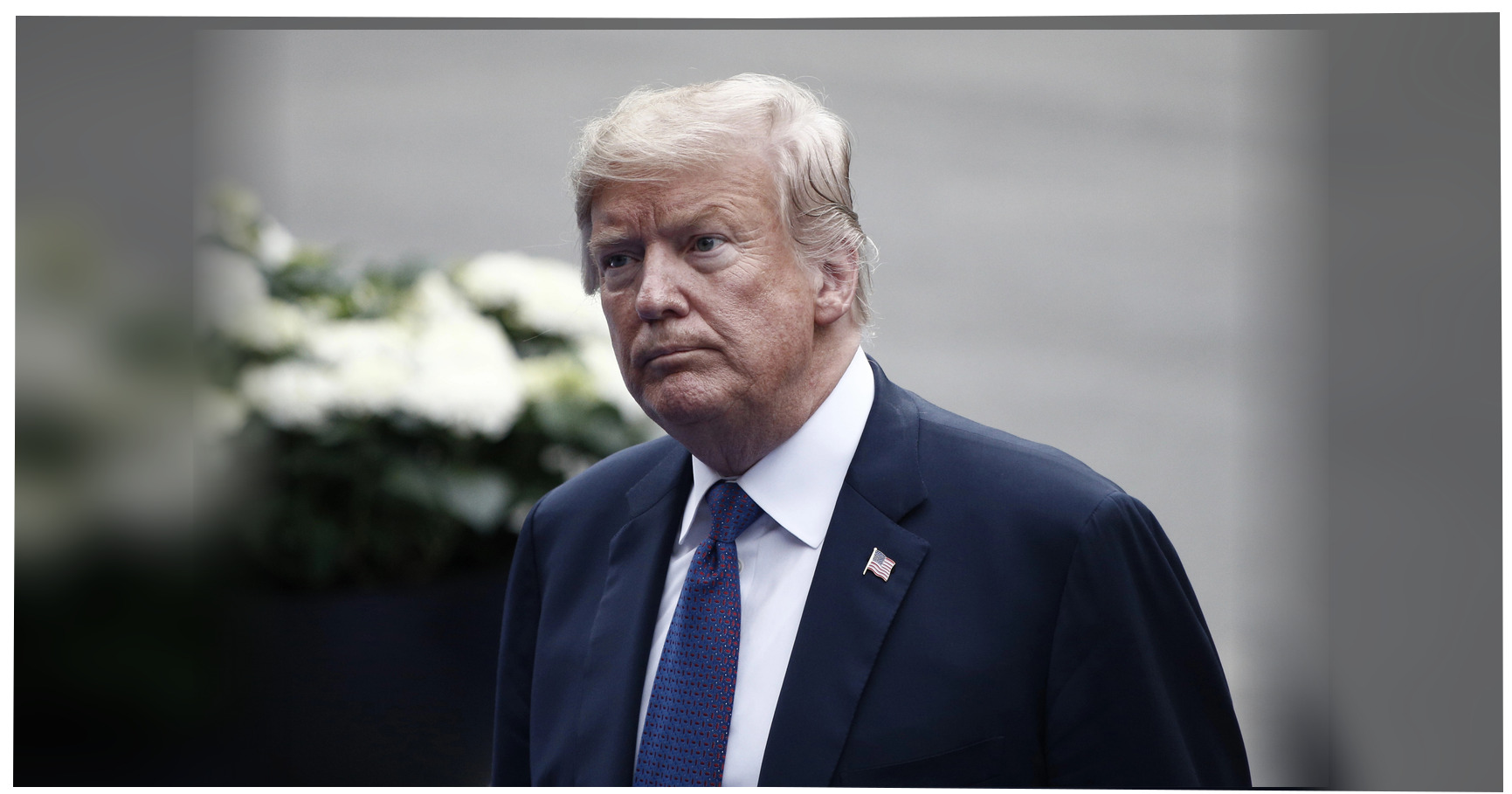
The widely shared “nearly 100” figure combines alleged offenses that occurred before and after Donald Trump’s broad Jan. 6 clemency action. The key post-clemency number in the Lawfare study is 19 cases, and accusations are not the same as convictions.
Donald Trump’s Jan. 6 clemency recipients are at the center of a new debate after a Lawfare study found at least 97 people charged in the Capitol attack were later accused of new crimes. But the claim that nearly 100 people pardoned by Donald Trump were arrested again needs an important correction: the study says 19 new cases occurred after Trump granted clemency on the first day of his second term.
In other words, the larger number tracks alleged reoffending since the Jan. 6, 2021, attack, not solely conduct after Trump’s pardons. The re-arrests of people who received Trump’s pardons are part of the report, but they are not the entire 97-person figure.
What the 97-person tally measures
Lawfare, a nonprofit legal publication, reviewed cases involving people charged in connection with the attack on the U.S. Capitol. Its researchers identified at least 97 defendants who were accused of additional crimes after Jan. 6, according to reporting by The New York Times.
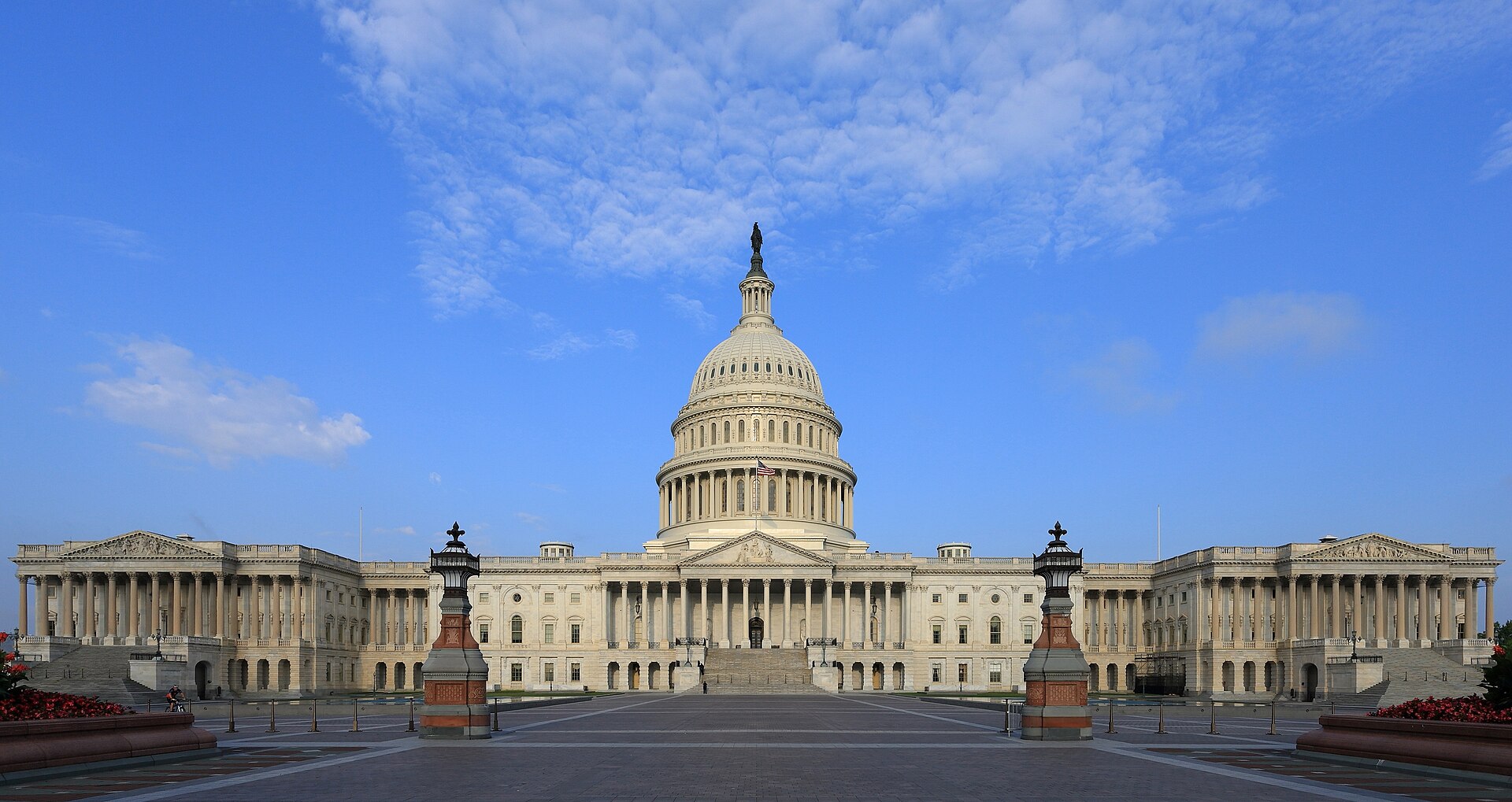
That population comes from a much larger group: nearly 1,600 people were charged over the Capitol attack. The study’s 97 figure covers alleged conduct across several years, beginning after the riot itself.
That timing matters because Trump’s sweeping clemency action came years later. A headline that treats all 97 as post-pardon arrests collapses two separate questions: how many Jan. 6 defendants were later accused of crimes, and how many faced new cases after receiving clemency.
Nineteen cases followed clemency
According to the study’s author, 19 of the identified new cases occurred after Trump issued clemency for nearly all Jan. 6 defendants shortly after beginning his second term. Trump pardoned most defendants and commuted the sentences of 14 members of the Proud Boys and Oath Keepers, including people convicted of seditious conspiracy.
That 19-case figure is still politically significant. Presidential clemency is one of the broadest powers available to a president, and Trump used it to close federal cases arising from one of the most consequential episodes of political violence in recent U.S. history.
But it should be read carefully. A person can be arrested or charged without being convicted, and the reported cases involve different allegations, different jurisdictions and different stages of the legal process.
The allegations vary widely
The study describes accusations ranging from lower-level offenses, including trespassing, property damage and drug-paraphernalia possession, to serious felony allegations. Reported categories include assault, illegal firearm possession, fraud, stalking, domestic violence, driving under the influence and sex-related offenses.
Some cases cited by The New York Times involved convictions, including one person convicted of reckless homicide in 2025. Other matters remained allegations or pending charges. Treating every entry as a proven offense would overstate what the research establishes.
The report’s author, Katherine Pompilio, told the newspaper that the review may still undercount recidivism because not every local case is easy to identify. Researchers reviewed court records and contacted county clerks’ offices, according to the report.
Why the distinction matters politically
Trump and his allies have depicted many Jan. 6 defendants as victims of a politically motivated justice system. A White House spokeswoman said the administration has a rigorous pardon-review process involving White House counsel, the Justice Department and the president.
Critics see the post-clemency cases as evidence that the breadth of the action deserved closer scrutiny. They argue that a mass clemency decision should be judged not only by whether prior prosecutions were fair, but also by the public-safety record of people who benefited from it.
Those views can coexist with a basic legal point: clemency does not guarantee future behavior, and an accusation after a pardon does not retroactively prove that the pardon itself was improper. The study identifies a pattern worth examining; it does not establish that every clemency recipient reoffended or that clemency caused new crimes.
A broader count than earlier reviews
Lawfare’s tally is higher than an earlier review by Citizens for Responsibility and Ethics in Washington, a legal watchdog group that has been critical of the Trump administration. That earlier analysis found at least 40 Jan. 6 defendants facing other criminal charges, including 12 cases after Trump’s clemency action.
Different results do not necessarily mean one review is wrong. Researchers can find additional local records over time, use different definitions of qualifying cases or update their datasets as cases develop. The Lawfare analysis said its 19 post-clemency cases were the larger number identified in its review.
The most defensible takeaway is therefore precise: at least 97 people charged in the Capitol attack were later accused of new crimes, and Lawfare identified 19 such cases after Trump’s clemency order. That is a notable finding, but it is not the same as saying nearly 100 pardon recipients were arrested again after being pardoned.
What remains unresolved
The available reporting does not show how many of the 19 post-clemency cases will end in convictions, dismissals, plea agreements or other outcomes. It also does not provide a direct comparison with re-arrest rates among similar groups of defendants who did not receive clemency.
Those unanswered questions are central to any claim about whether the Jan. 6 clemency action produced unusual public-safety consequences. For now, the study adds documented cases to an argument that is likely to remain political as well as legal: how a president should use pardon power when the underlying offense was tied to an attack on the democratic process.








Leave a Reply