
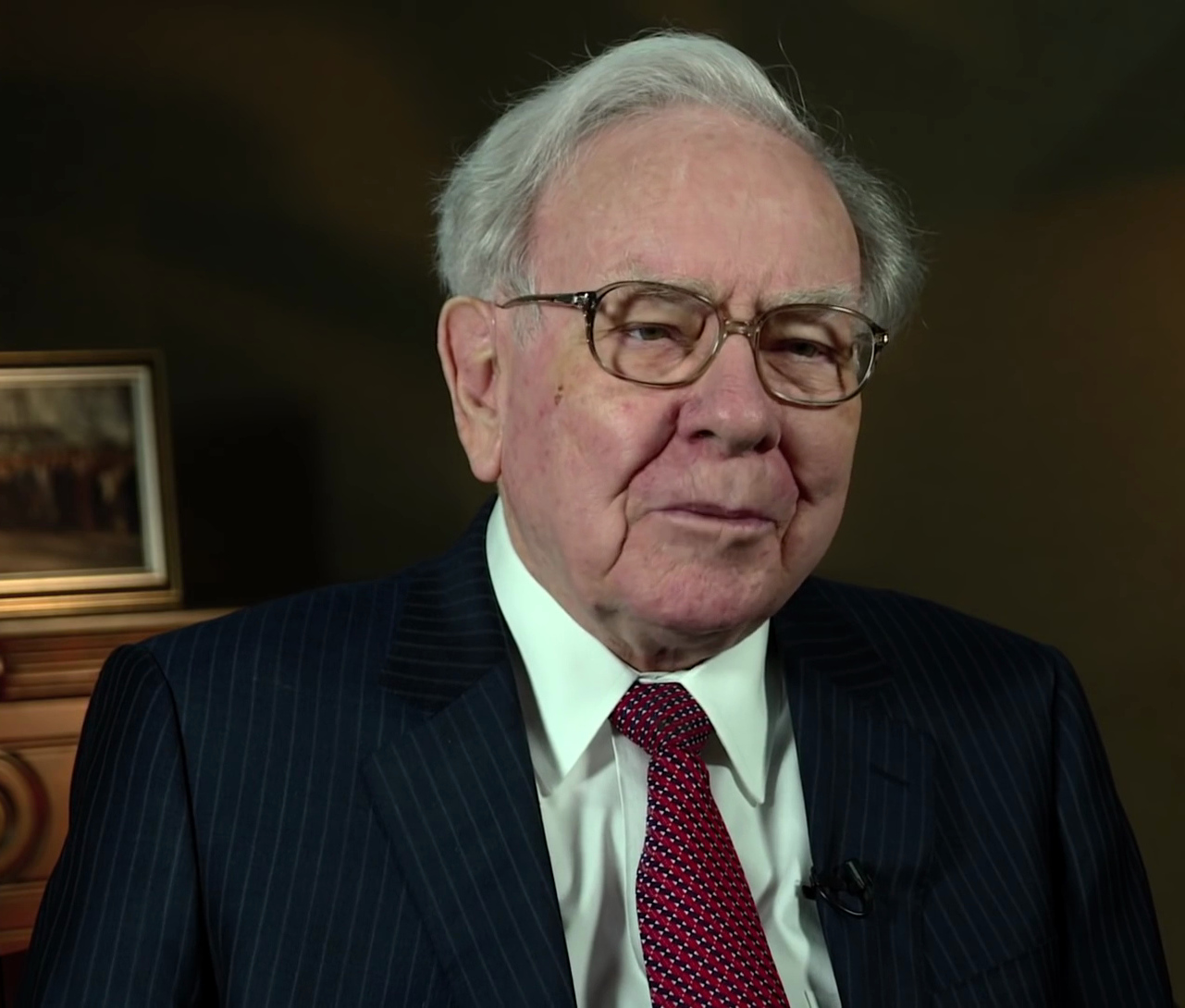
Buffett built his fortune by waiting longer than almost anyone else. For retirees, the challenge is figuring out how much of that patience still applies when paychecks stop.
Warren Buffett’s most useful retirement warning is not a hot stock tip. It is a behavioral warning: the market rewards patience, but punishes people who are forced to sell at the wrong time.
That distinction matters more as retirement gets close. Buffett can think in decades. Many retirees need part of their money to work in months and years, not forever.
Buffett’s patience has limits
Buffett is famous for saying the stock market is a device for transferring money from the impatient to the patient. The line is quoted constantly because it feels simple, almost comforting.
For someone in their 30s or 40s, that lesson is often straightforward: keep investing, avoid panic, let compounding do the heavy lifting. For someone five years from retirement, the same advice needs a footnote.
Patience is powerful only if you can afford it. If a retiree has to sell stocks during a deep downturn to cover living expenses, patience stops being a philosophy and becomes a luxury.
That is the part many Buffett admirers miss. His greatest edge has never been just optimism. It has been structure: permanent capital, insurance float, business cash flow and the ability to wait when others cannot.
The real risk is forced selling
Buffett has also said risk comes from not knowing what you are doing. For near-retirees, one of the least understood risks is not simply that stocks can fall. It is that withdrawals can turn a temporary market decline into permanent damage.
This is often called sequence-of-returns risk. Two investors can earn the same average return over time, but the one who suffers big losses early in retirement while taking withdrawals may end up far worse off.
That is why a retirement portfolio cannot be judged only by its long-term return potential. It also has to be judged by whether it can provide cash when markets are ugly.
Buffett’s Berkshire Hathaway has long kept large amounts of cash and short-term Treasury bills. That cash has sometimes frustrated shareholders who want every dollar invested, but it gives Berkshire optionality. It lets the company act when markets break instead of begging for liquidity.
Cash is not always cowardice
Near retirement, cash is often treated like dead money. That can be true if cash becomes a permanent hiding place. But a measured cash reserve can also prevent a bad decision at the worst possible moment.
The practical question is not whether cash beats stocks over decades. It usually does not. The question is whether a retiree has enough safe, liquid money to avoid selling long-term investments during a bear market.
Many advisers use some version of a bucket approach. The labels vary, but the idea is simple:
- Near-term money for spending needs that cannot wait.
- Intermediate money in more stable assets for the next several years.
- Long-term money that can stay invested through volatility.
That structure is not glamorous, and it will not produce a viral quote. But it addresses the retirement problem Buffett’s patience points toward: the best long-term plan fails if short-term cash needs force you out of it.
Do not copy the billionaire
Buffett’s life story can be misleading for ordinary investors because the headline numbers are so extraordinary. Berkshire compounded value at a remarkable rate for decades, and commentators often note that most of Buffett’s wealth accumulated after traditional retirement age.
That is inspiring, but it is not a retirement plan. Buffett did not become wealthy by buying random stocks, checking prices every hour or chasing whatever paid the highest yield that month.
He spent a lifetime studying businesses, staying within what he calls his circle of competence and using a corporate structure that ordinary households do not have. Berkshire can buy whole companies, hold concentrated positions and absorb volatility in ways a retired couple usually cannot.
The better lesson is not “invest exactly like Buffett.” It is “understand what game you are playing.” A 94-year-old billionaire running a conglomerate is playing a different game from a 64-year-old deciding when to claim Social Security and how much to withdraw from an IRA.
The yield trap gets retirees
One of the most dangerous late-career investing mistakes is reaching for income without understanding the risk behind it. A high yield can look like safety because it produces cash. Sometimes it is a warning sign.
Dividend stocks, high-yield bonds, real estate funds and option-income products can all have a place in some portfolios. They can also fall sharply, cut payouts or behave very differently under stress than investors expected.
Buffett’s “be fearful when others are greedy” line applies here. If an investment promises far more income than safer alternatives, the market is usually telling you something. The risk may be credit risk, leverage, concentration, illiquidity or simply an unsustainable payout.
Retirees do not need to avoid risk entirely. In fact, many need growth assets because retirement can last 25 or 30 years. But taking risk because it is understood is different from taking risk because the monthly distribution looks comforting.
A better Buffett takeaway
The sharper Buffett lesson for retirement is balance. Own assets that can compound, but do not put yourself in a position where a bad market forces you to abandon them.
That means the years before retirement are not just about hitting a magic savings number. They are about building a withdrawal plan, checking fees, understanding taxes, stress-testing spending and deciding which money must be stable versus which money can ride out volatility.
It also means accepting that the perfect portfolio on paper may be useless if it cannot be lived with emotionally. Buffett’s edge is temperament. He does not panic because prices fall. Most people need a portfolio designed to make panic less likely.
For anyone nearing retirement, the warning is clear: patience still matters, but time horizon matters too. The goal is not to beat Buffett. It is to avoid becoming the impatient investor the market transfers money from.










Leave a Reply