
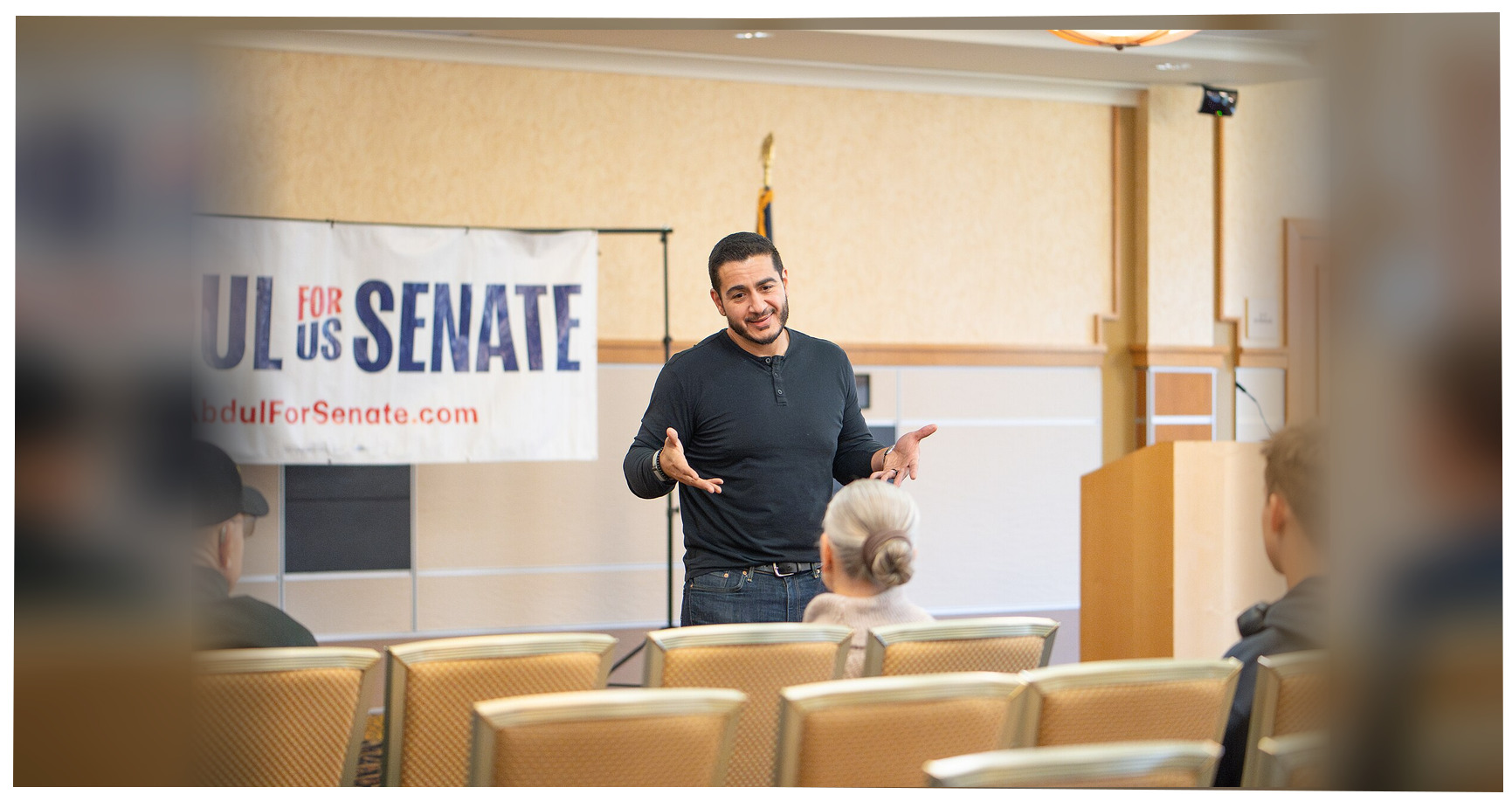
The dispute is becoming part of the broader argument over how Abdul El-Sayed’s progressive record should be understood. Available reporting supports important context on one viral Sharia-law claim, while leaving other allegations in need of fuller documentation.
Abdul El-Sayed was grilled about past statements involving Sharia law, White supremacy and taxing the rich as he enters Michigan’s 2026 U.S. Senate race. The scrutiny matters because El-Sayed, the Democratic nominee, now faces Republican Mike Rogers in a contest expected to be among the country’s most competitive Senate races.
A Fox News headline framed the questions as a broad challenge to El-Sayed’s record. But the available reporting points to an essential distinction for voters: one set of widely circulated claims about his comments on Sharia law has been examined by Reuters, while the underlying material for claims involving White supremacy and taxes on wealthy people is not contained in the supplied reporting.
Scrutiny arrives after primary win
El-Sayed emerged from a hard-fought Democratic primary over Rep. Haley Stevens, according to NBC News. The former public health official won despite a major outside-spending effort and late support for Stevens from Michigan Gov. Gretchen Whitmer.
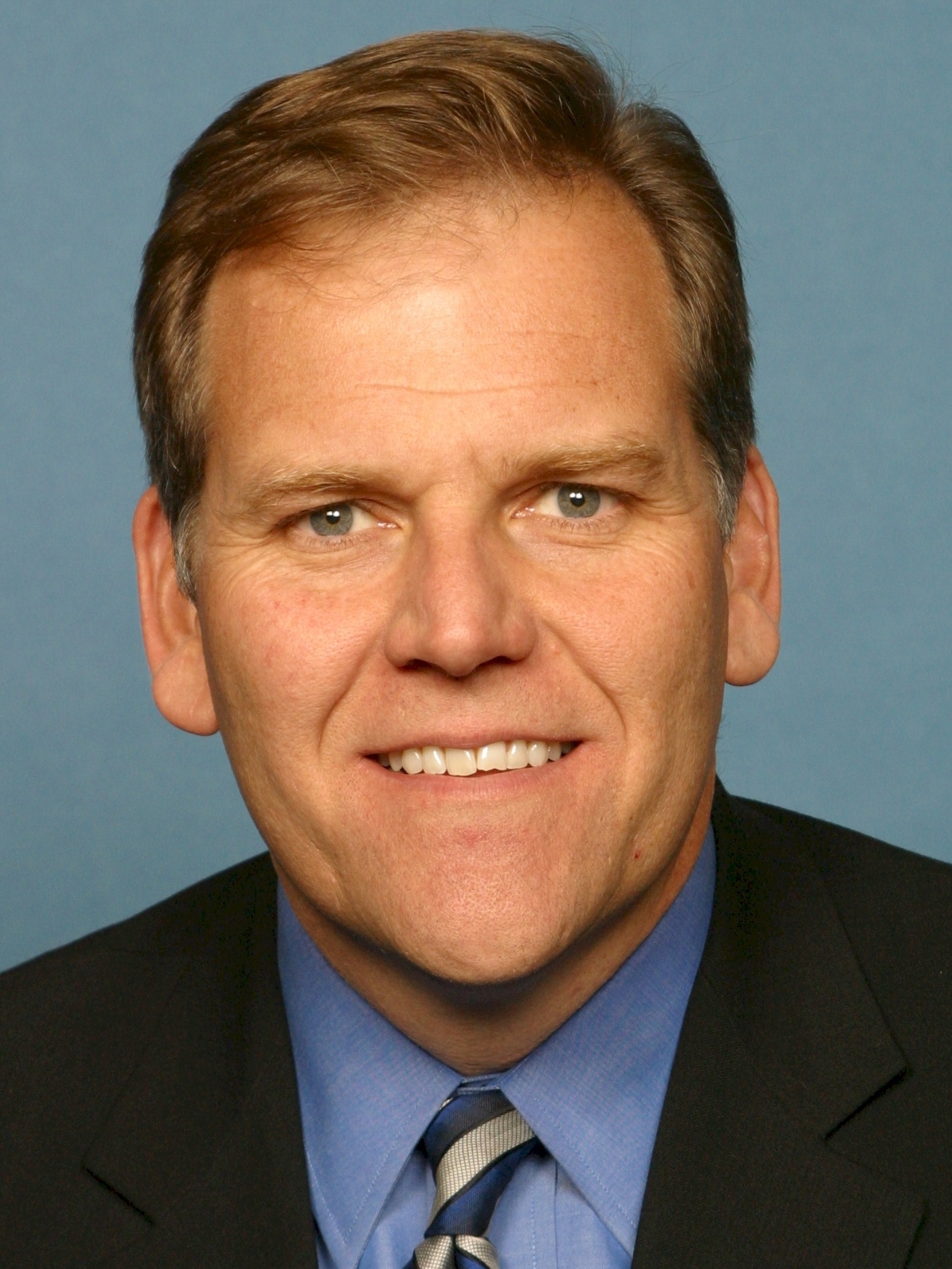
His victory gives national Republicans a clear target: a progressive Democrat with a record of supporting Medicare for All, criticizing the role of money in politics and aligning himself with parts of the party’s left flank.
That does not make every attack on his past remarks accurate. It does mean old video clips, speeches and social-media posts are likely to become central material in a general-election campaign where both sides expect a close result.
The Sharia-law claim was fact-checked
The most concrete outside context in the available research concerns a video from 2022 in which El-Sayed discussed a 2010 Oklahoma referendum involving Sharia law. Reuters reported on Aug. 24, 2026, that online posts distorted those remarks.
Reuters’ description is significant because the terms used in political attacks can suggest a position that a fuller clip or surrounding discussion does not support. The fact-check did not simply establish that the video existed; it found that posts circulating about it misrepresented what El-Sayed said.
The underlying issue traces back to Oklahoma’s 2010 ballot measure, which sought to bar state courts from considering Sharia law and international law. A federal court later blocked the measure after finding it violated the Constitution’s Establishment Clause.
Debate over that referendum often blends separate questions: whether courts should apply religious doctrine, whether lawmakers may single out a particular faith for restriction, and whether a speaker is defending a religious legal system. Those are not interchangeable claims, and the distinction is central to evaluating El-Sayed’s old remarks fairly.
Claims need their original context
The Fox News framing also raised El-Sayed’s past statements on White supremacy and taxing the rich. Yet the supplied source material does not include the wording, date, venue or full context of the comments being challenged.
That gap matters. A claim about White supremacy could refer to a discussion of racism, political violence, extremist ideology, demographic power, public policy or another topic entirely. Without the original language, it is not possible to responsibly characterize El-Sayed’s position beyond saying the subject has been raised by critics.
The same standard applies to taxes. “Taxing the rich” is a political label, not a specific policy. It could mean a higher marginal income-tax rate, a wealth tax, changes to capital-gains treatment, corporate-tax policy, or a proposal affecting only people above a stated income threshold.
Voters can reasonably want direct answers on all of those questions. But a campaign critique is strongest when it identifies the precise quote and the actual proposal, rather than relying on shorthand designed to carry its own conclusion.
Progressive politics will define contest
El-Sayed’s ideological profile is already a major part of the race. NBC News reported that Sen. Bernie Sanders and Rep. Alexandria Ocasio-Cortez campaigned for him during the primary, and that El-Sayed’s campaign foregrounded Medicare for All and opposition to money in politics.
He has also said he is not “technically or practically” a member of the Democratic Socialists of America, according to NBC’s account of his comments to The Wall Street Journal. Still, his primary victory was widely viewed as a win for progressive forces seeking influence in Democratic politics.
Republicans have signaled that they believe El-Sayed’s record makes him a more favorable general-election opponent than Stevens. President Donald Trump said after the primary that he believed Rogers would perform better against El-Sayed.
Democrats, meanwhile, will likely argue that El-Sayed’s populist economic message can speak to Michigan voters worried about health-care costs, wages and affordability. The coming contest will test whether that argument outweighs the liabilities Republicans see in his past statements and left-wing alliances.
What the record can establish now
There is a clear political story: El-Sayed’s past remarks are under intensified review now that he is Michigan Democrats’ Senate nominee. There is also a clear factual constraint: not every allegation grouped under that scrutiny has been documented in the available material.
On the Sharia-law video, Reuters found that viral posts distorted El-Sayed’s 2022 comments. On the White-supremacy and tax-related questions, readers would need the complete source material before drawing conclusions about what he said or advocated.
That may sound like a narrow distinction, but it is the one that will matter as campaign messaging accelerates. Political opponents are entitled to press a nominee on prior comments, and a nominee is accountable for explaining his record. The public is best served when the debate begins with complete quotes, defined policy terms and verifiable context.
The next fight is definition
Michigan’s Senate race will not be decided only by old clips. It will also turn on who gets to define those clips: El-Sayed and his allies, Rogers and Republican groups, or voters comparing competing accounts against the original record.
For El-Sayed, the immediate challenge is to answer criticism without allowing opponents to set the terms of every debate. For Rogers, the challenge is to make a case that is specific enough to withstand fact-checking.
The early scrutiny shows how quickly an insurgent primary victory can shift into a general-election test. In a race with national stakes, past statements may become powerful campaign material—but only if they survive the basic test of context.







Leave a Reply