
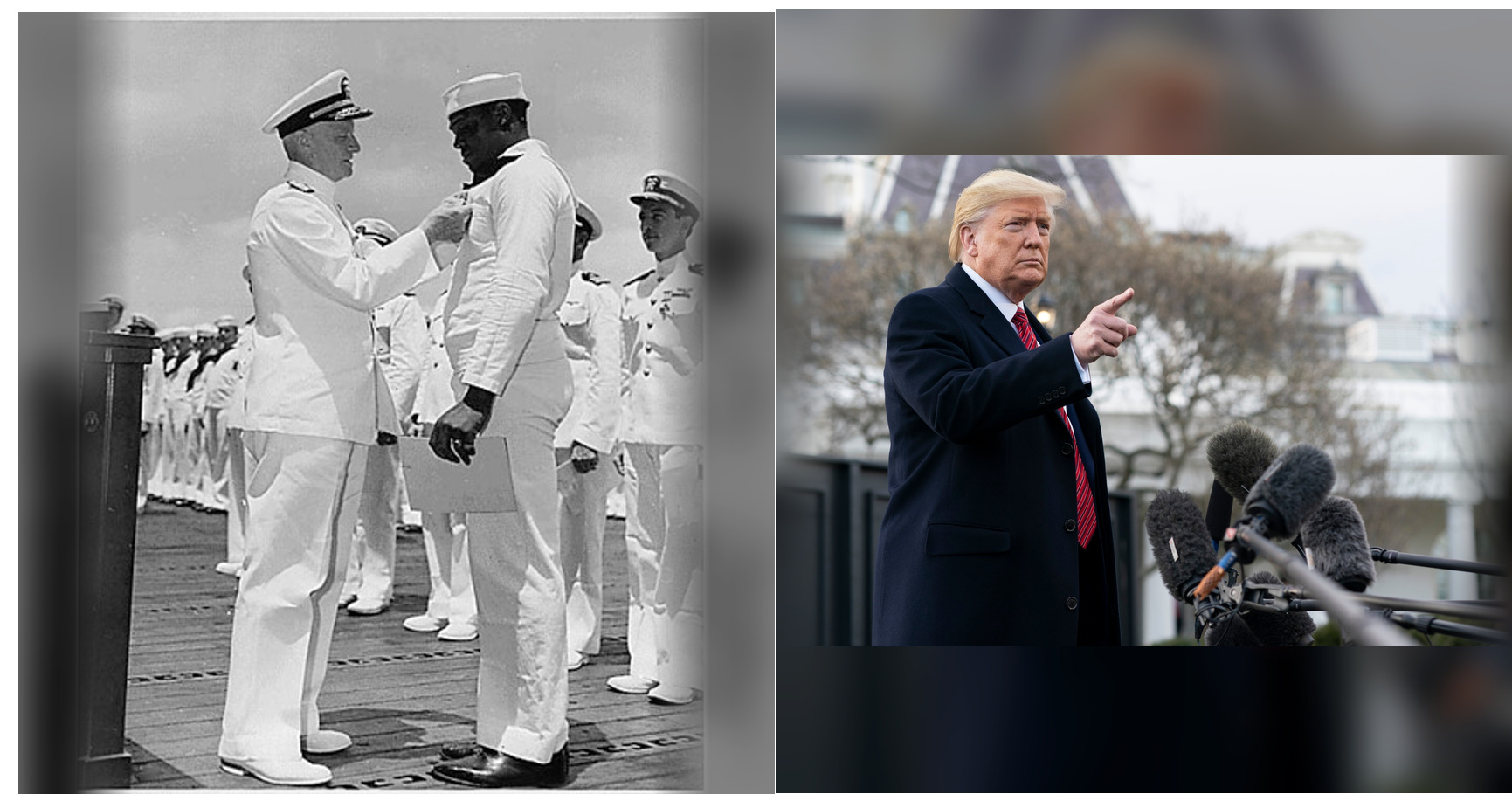
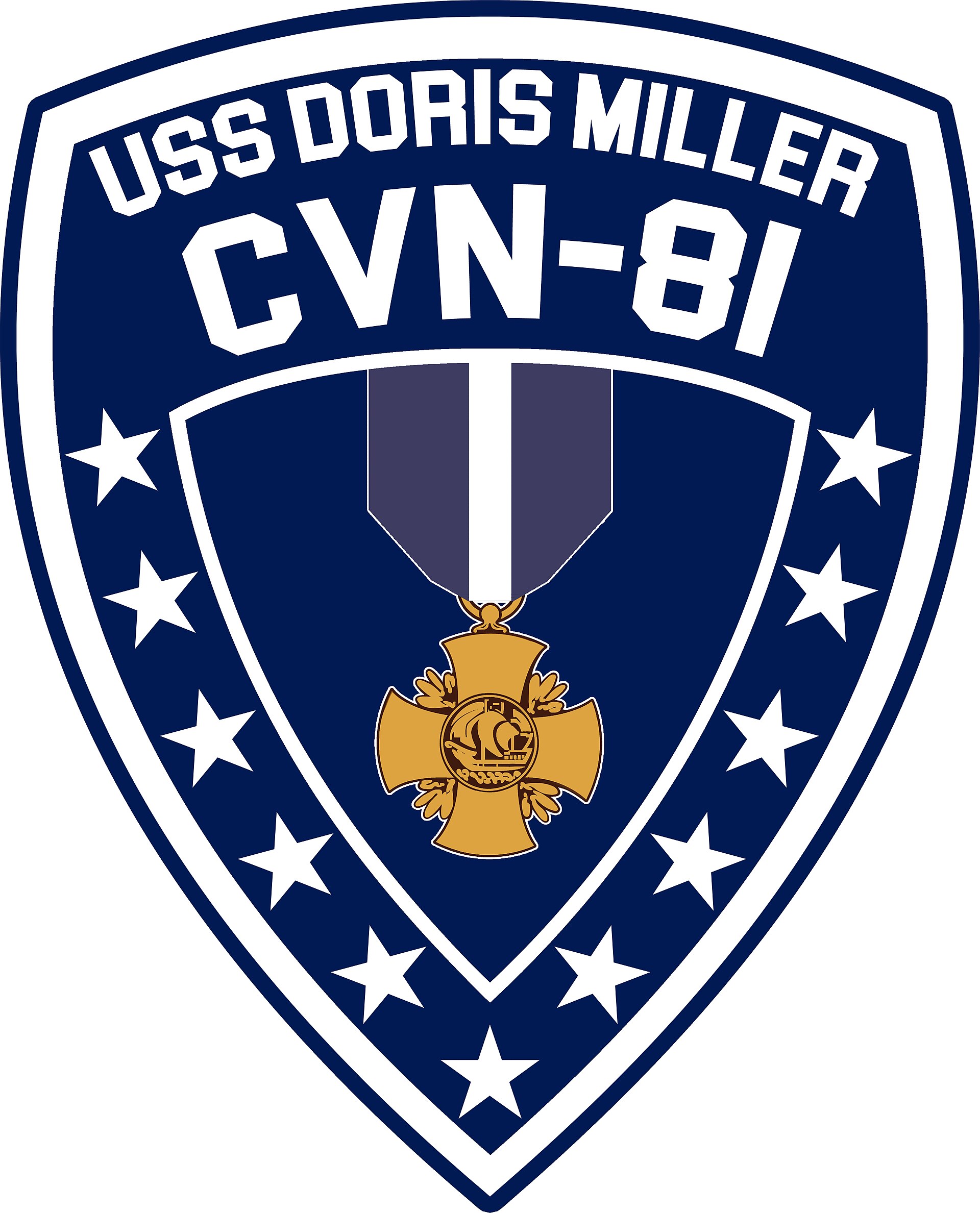
The proposed USS Doris Miller was set to make history as the first aircraft carrier named for an African American and for an enlisted sailor. A possible switch to Donald Trump would turn a naval naming decision into a broader argument about whose service and legacy the fleet honors.
The United States Navy is considering renaming an aircraft carrier slated to honor Black war hero Doris Miller, with Donald Trump discussed as the possible replacement name. The future carrier, CVN 81, was announced as the USS Doris Miller in 2020; changing it to honor Trump would reverse a planned milestone for the fleet and raise fresh questions about how the military chooses its most visible names.
The Navy’s deliberations do not amount to a final decision. But the possibility matters because the planned USS Doris Miller was intended to recognize both Miller’s actions at Pearl Harbor and a history of Black sailors serving a country that still denied them equal treatment.
A planned tribute to Doris Miller
In a January 2020 announcement, the Navy said CVN 81 would be named for Doris Miller, making it the first aircraft carrier named for an African American. It also said the ship would be the first carrier named for a sailor recognized for actions while serving in the enlisted ranks.
Miller was a mess attendant aboard the USS West Virginia during Japan’s attack on Pearl Harbor on December 7, 1941. With little formal training on the weapon, he helped man an antiaircraft machine gun during the attack after assisting wounded shipmates.
His actions made him one of the best-known Black American servicemen of World War II. They also became part of the larger story of service under segregation: Black sailors fought for the United States while facing restricted jobs and unequal opportunities within the armed forces.
The Navy announced the name during a Martin Luther King Jr. Day ceremony at Pearl Harbor. Then-acting Navy Secretary Thomas Modly said the choice acknowledged Miller’s courage as well as the contradiction between Americans’ military service and the discrimination many faced at home.
Why the carrier name stands apart
Aircraft carriers are not ordinary vessels. They are among the Navy’s largest, most expensive and most public symbols of American military power, operating with a carrier strike group and designed for global presence, crisis response and combat missions.
The Navy has said Ford-class carriers are intended to serve for roughly 50 years. That makes a carrier’s name a long-running statement, repeated in deployments, military records, public ceremonies and the daily language of sailors assigned to the ship.
For supporters of the Doris Miller name, the distinction is straightforward: the honor is tied to a sailor’s documented wartime actions and to a historic barrier being broken. The planned designation would put an enlisted Black sailor alongside the presidents, admirals and other national figures whose names already appear across the carrier fleet.
A Trump name would convey a different kind of recognition—one centered on a president’s place in the nation’s political history. Neither approach is free of symbolism, which is why the issue reaches beyond a change on a ship’s hull.
The Trump proposal carries politics
Honoring Donald Trump on a future aircraft carrier would be unusual because it would attach the name of a living, contemporary political figure to a platform expected to remain in service for decades. The choice would inevitably be read through the sharp partisan divisions that have defined Trump’s public life.
Those who favor honoring Trump could view it as recognition for a former president and commander in chief. Critics would likely argue that replacing Miller, rather than naming a different future ship, would make the decision feel less like an addition to naval tradition and more like a rejection of an existing tribute.
The available reporting describes the change as something the Navy is weighing, not a completed action. That difference is important: the question is still whether the department will formally alter the designation, not how a renamed vessel would operate.
There is also a practical institutional concern. Military names can outlast the administrations that choose them, so leaders often face pressure to select names that can retain meaning across changes in political power.
Miller’s story remains the stakes
The debate cannot be separated from why Miller was selected in the first place. The Navy’s 2020 announcement emphasized that he did not allow the prejudice of his era to define his conduct at Pearl Harbor.
That framing made CVN 81 more than a commemorative decision. It was an acknowledgment that the stories represented by the fleet had not always reflected the full range of Americans who served in it.
A reversal would not erase Miller’s record or the Navy’s earlier recognition of him. The Navy noted in 2020 that another ship had previously carried his name. Still, withdrawing the carrier designation would remove the most prominent honor the service had planned for him.
For Miller’s family, veterans and communities that have treated the carrier as a meaningful act of recognition, the distinction would be especially tangible. For others, the episode may become another test of whether military traditions can remain separate from current political loyalties.
What remains unclear about a change
The key unanswered issue is whether the Navy will make a formal renaming decision. The reporting indicates that Trump is under consideration, but it does not establish that a final choice has been approved or announced.
It is also unclear what rationale the Navy would provide if it moves forward. A decision of this scale would draw attention not only to the individual selected, but also to the service’s explanation for displacing a name already publicly assigned to CVN 81.
The Navy’s 2020 release described the future USS Doris Miller as part of the Ford-class carrier program. Until officials announce a change, that remains the ship’s publicly stated designation.
A naming dispute with a long horizon
The immediate story is a possible name change. The longer issue is what the Navy wants its most enduring institutions to commemorate: battlefield service, presidential leadership, national reconciliation, or some combination of those ideas.
Because CVN 81 is expected to represent the United States for generations, the final decision will carry significance far beyond a ceremony or a painted name. It will determine whether Doris Miller’s planned place in the carrier fleet becomes a landmark honor—or a symbol of how quickly national memory can be revisited.









Leave a Reply