
Blanche’s position puts a longstanding Justice Department norm under a sharper spotlight. The key question is not whether an attorney general can consider a president’s priorities, but where policy direction ends and political interference begins.
Todd Blanche refused to pledge that the U.S. Department of Justice would be independent from the White House, telling reporters he would take President Donald Trump’s views into account when directing federal law enforcement. Blanche addressed whether the Justice Department would be independent at a moment when the boundary between presidential authority and politically neutral law enforcement is under intense scrutiny.
The newly sworn-in attorney general’s position matters because the Justice Department sits inside the executive branch, yet has traditionally maintained distance from the White House in specific criminal matters. Blanche did not promise that separation, according to reporting by The Washington Post.
Blanche’s answer drew a clear line
Blanche rejected the idea that the Justice Department should be independent from the White House, the Post reported. His stated rationale was that he would consider Trump’s views as he directs federal law enforcement.
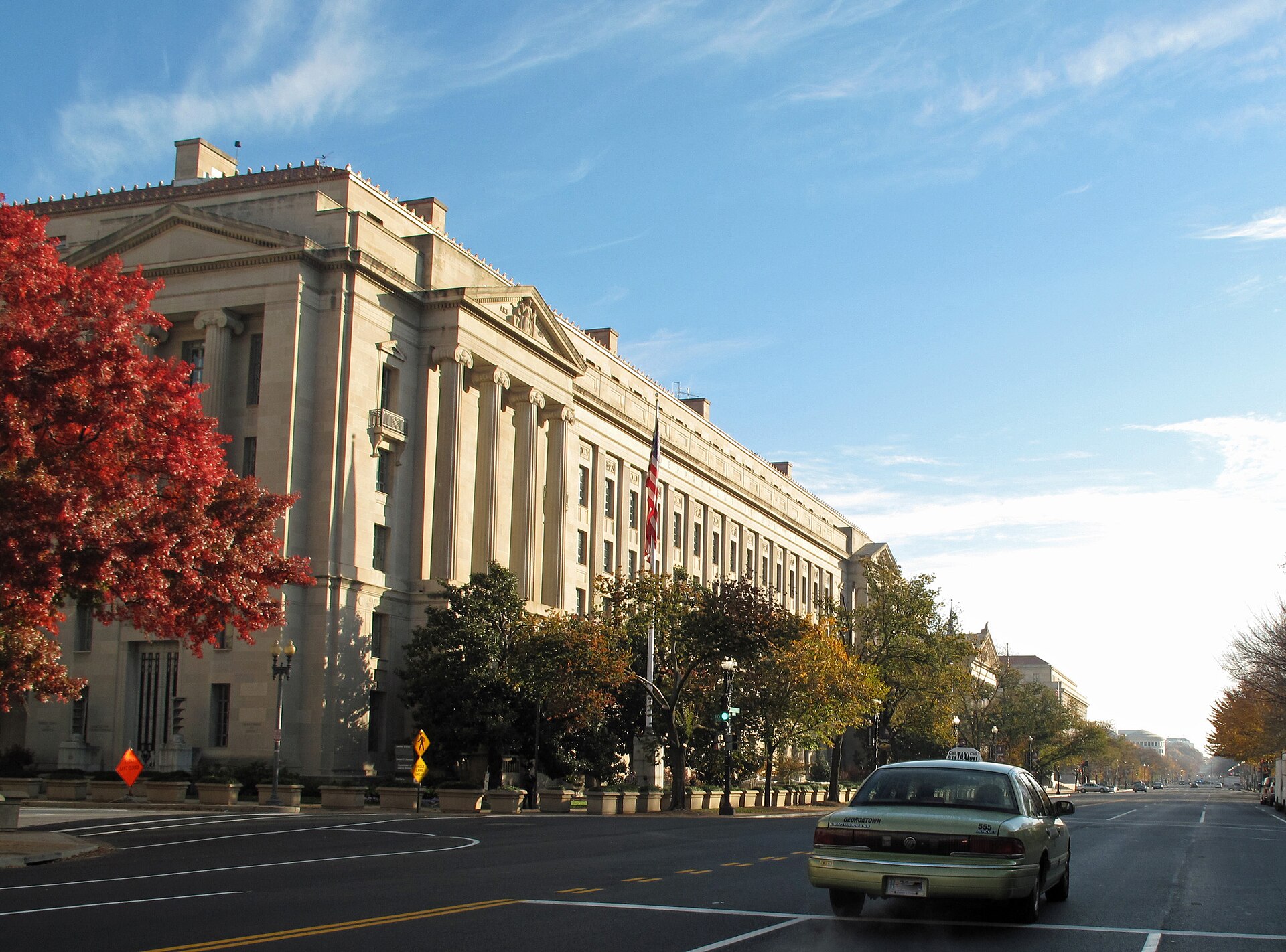
That is a more consequential statement than a debate over management style. The attorney general oversees prosecutors, the FBI and major federal law-enforcement decisions, making the relationship between the department and the president central to public confidence in its work.
Blanche’s remarks do not by themselves establish how he would handle a particular investigation, prosecution or personnel decision. They do, however, make clear that he does not embrace “independence” as a blanket promise for the department he leads.
What DOJ independence usually means
The Justice Department is not structurally separate from the presidency. The attorney general is a presidential appointee, the department carries out laws enacted by Congress, and every administration sets broad enforcement priorities.
In ordinary usage, though, DOJ independence describes a norm rather than a separate branch of government. It generally means prosecutors and investigators should make case-specific decisions based on facts, evidence and law—not on a president’s personal interests, political alliances or desire to punish opponents.
That distinction leaves room for an administration to prioritize violent crime, immigration enforcement, antitrust policy, civil-rights enforcement or national-security threats. The sharper concern arises when political officials seek a say in whether a named person is investigated, charged, pardoned or spared scrutiny.
- Policy direction: Setting broad law-enforcement goals for an administration.
- Case intervention: Pressuring officials over individual investigations, defendants or charging decisions.
- The institutional question: Whether career professionals can follow evidence when their conclusions conflict with political preferences.
Why the wording matters now
Public trust in federal law enforcement depends heavily on the belief that the same rules apply to powerful people and ordinary citizens. That confidence can be damaged even without proof that a particular case was improperly influenced.
Critics of close White House involvement argue that a Justice Department seen as responsive to political demands risks selective enforcement and weakened confidence in courts, prosecutors and investigators. They say clear public commitments to case-by-case independence help protect both the department and the president from accusations of using law enforcement as a political tool.
Supporters of stronger presidential control make a different argument: voters elect a president to set executive-branch policy, and unelected officials should not be insulated from democratic accountability. From that perspective, an attorney general may properly align the department with a president’s lawful priorities.
The unresolved issue is where Blanche places the boundary. Saying that Trump’s views will be considered does not explain whether the White House would be kept out of decisions involving particular people, investigations or prosecutions.
Other signals from the new attorney general
The Post also reported that Blanche backed Jeanine Pirro and said an “anti-weaponization” fund was dead. The available reporting does not provide a full account of his reasoning or detail how those positions would be implemented.
Still, the combination of remarks points toward a Justice Department leadership team confronting a politically charged argument over “weaponization”—a term often used by officials and critics to describe claims that law enforcement has been applied unfairly for political ends.
That language can mean different things depending on who uses it. Some officials use it to argue that prior investigations were politically motivated; others warn that the label can itself be used to discredit legitimate investigations or justify retaliation against perceived enemies.
The tests will be concrete decisions
Blanche’s statement is likely to be judged less by its wording than by what follows: contacts between the White House and DOJ, treatment of career prosecutors and agents, and the handling of matters that touch political allies or adversaries.
Watch for whether the department publicly explains major enforcement shifts, follows established procedures for politically sensitive matters and allows career officials to document disagreement. Those steps cannot eliminate political controversy, but they can provide evidence that decisions are being made through recognizable legal processes.
For now, Blanche has supplied a direct answer to a question attorneys general are often pressed to address indirectly. He will not pledge an independent Justice Department. The practical meaning of that stance will depend on how much influence the White House exercises over the department’s most sensitive work—and how transparently Blanche draws the line.






Leave a Reply