
Todd Blanche’s first television interview as attorney general turned into a test of how he describes his relationship with President Donald Trump. The exchange matters because prosecutorial independence is central to public trust in the Justice Department.
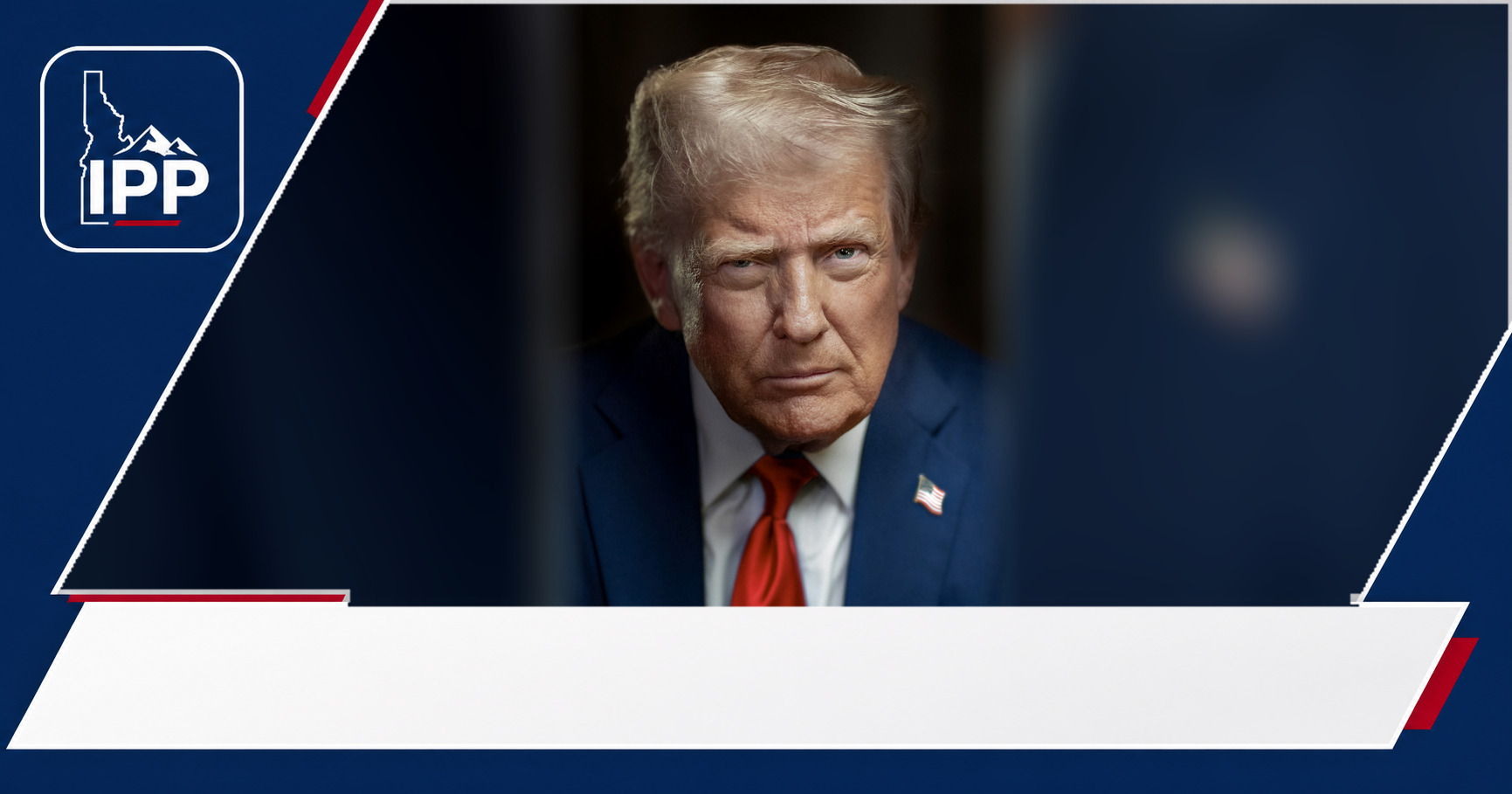
Attorney General Todd Blanche gave his first interview after his confirmation and defended his deference to President Donald Trump, saying he would listen to the president’s views on prosecutions. When NBC News’ Kristen Welker pressed him on whether the Department of Justice would operate independently from the White House, the Trump AG’s first interview became a contentious exchange that went off the rails.
The immediate dispute was not simply whether Blanche and Trump speak. It was about where consultation ends and political influence over prosecutorial decisions begins — a line that can shape confidence in the Justice Department long after one television appearance.
Blanche’s answer became the story
Blanche’s appearance on Meet the Press was framed around major administration controversies, including public criticism of federal agents’ actions. But the most consequential portion centered on Trump’s role in Justice Department decisions.
Asked whether he would take Trump’s opinion into account when considering prosecutions, Blanche said, “of course” he would listen. That wording became the flashpoint because an attorney general is expected to balance the president’s agenda with the Justice Department’s legal obligations and the professional judgment of career prosecutors.
Listening to a president is not, by itself, unusual. Attorneys general are Cabinet officials, selected by presidents and responsible for carrying out lawful executive-branch policy. The harder question is whether a president’s preference becomes a deciding factor in a specific criminal matter.
The independence question is narrower
“Independent DOJ” can be an imprecise phrase. The department is part of the executive branch, and it is not structurally separate from the president in the way courts are. Presidents appoint attorneys general, set broad enforcement priorities and can lawfully direct policy across their administrations.
Yet the Justice Department has also developed norms intended to limit partisan pressure in particular cases. Those norms matter most when an investigation involves a political ally, a political opponent, an election, or a high-profile public figure.
Welker’s questioning put that distinction in plain view. The issue was not whether Blanche could hear Trump’s views. It was whether Blanche could describe a credible boundary between hearing them and allowing them to determine whether the federal government investigates, charges or declines to charge someone.
Blanche’s answers, as characterized by the tense exchange, did not satisfy that concern for critics. Supporters of the administration may see the questioning differently, arguing that voters elected Trump to set the direction of his government and that accountability to an elected president is not the same as improper interference.
Why the wording carries weight
Public officials often answer difficult questions with broad assurances: prosecutors will follow the law, decisions will be fair, and the department will act professionally. Those assurances can be important, but they do not resolve concerns about how decisions are made behind closed doors.
Blanche’s response drew attention because it was more direct than a generic pledge of impartiality. Saying he would listen to Trump acknowledged the relationship at the center of the debate rather than minimizing it.
That candor can be read in two ways. It can be seen as a straightforward recognition that an attorney general should not pretend the president has no role in governing. Or it can be read as a warning that the customary insulation around individual prosecutions may be weakening.
The difference depends on details the interview could not establish: what kinds of conversations occur, who participates, whether career officials can disagree freely, and what record exists when the White House weighs in on a case.
Blanche enters with Trump ties
The scrutiny is especially intense because Blanche has been closely associated with Trump. Before serving in the administration, he was part of Trump’s legal team in his New York criminal case.
That background does not establish that Blanche will make improper decisions as attorney general. It does, however, make his public explanation of his relationship with Trump more consequential than it would be for an attorney general with no prior personal legal connection to the president.
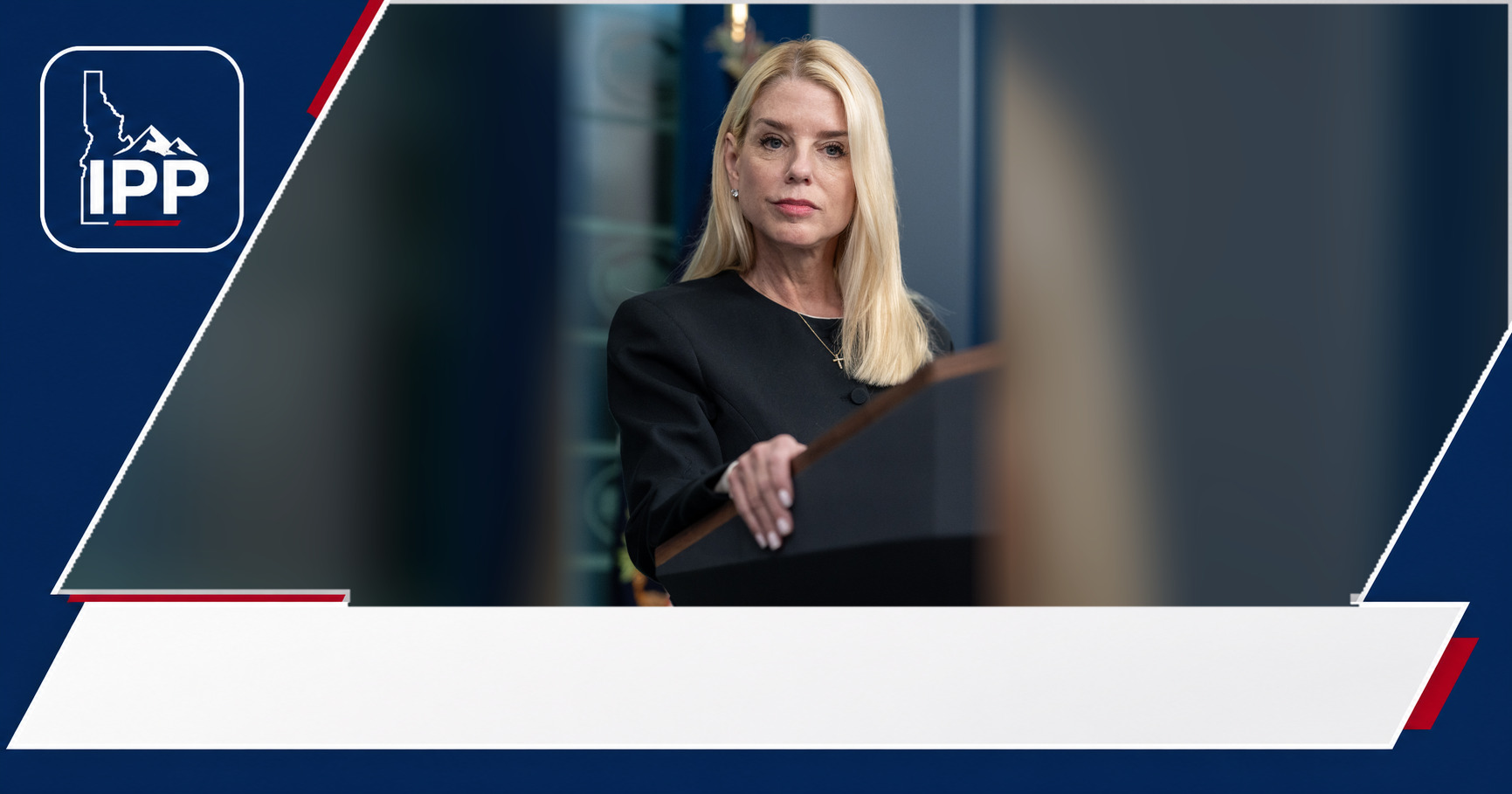
The Justice Department itself has documented Blanche’s earlier role in the administration as deputy attorney general. In a March 2025 department event, Blanche appeared alongside Trump, then-Attorney General Pamela Bondi and FBI Director Kash Patel.
For critics, those visible ties reinforce the need for clear guardrails. For Trump allies, they may underscore why Blanche was selected: he is viewed as someone the president trusts to pursue the administration’s priorities without the internal resistance Trump has frequently criticized.
Policy control versus case decisions
The debate should not erase an important distinction. An administration can push aggressive immigration enforcement, civil-rights priorities, antitrust policy or public-safety initiatives without directing the outcome of a particular prosecution.
Those broad choices are political in the ordinary sense: elections have consequences, and presidential administrations are expected to pursue different priorities. A more serious institutional concern arises when political officials pressure prosecutors about a named target, a particular charge or a desired result.
- Broad policy: Setting enforcement priorities, staffing goals and department-wide legal positions.
- Specific case involvement: Seeking input on a particular investigation, defendant, charging decision or sentencing outcome.
- The unresolved issue: What practical limits Blanche would apply when Trump’s preferences concern an individual case.
That is why the interview’s tense tone matters less than the unanswered boundary underneath it. The public can expect an attorney general to communicate with the White House; it also needs confidence that law enforcement decisions are not reduced to presidential preference.
What remains to be tested
One interview cannot prove how Blanche will run the department. Nor can it settle the legal and political argument over how much influence a president should have over an attorney general.
The meaningful evidence will come from future decisions: whether department leaders explain major prosecutorial choices, how they handle cases involving politically connected people, and whether internal processes show that evidence and law — rather than political loyalty — controlled the outcome.
For now, Blanche’s first interview has clarified the central tension of his tenure. He is presenting himself as an attorney general who will hear Trump out. The unanswered question is how clearly he can demonstrate that the Justice Department still retains an independent legal judgment once those conversations are over.





Leave a Reply