
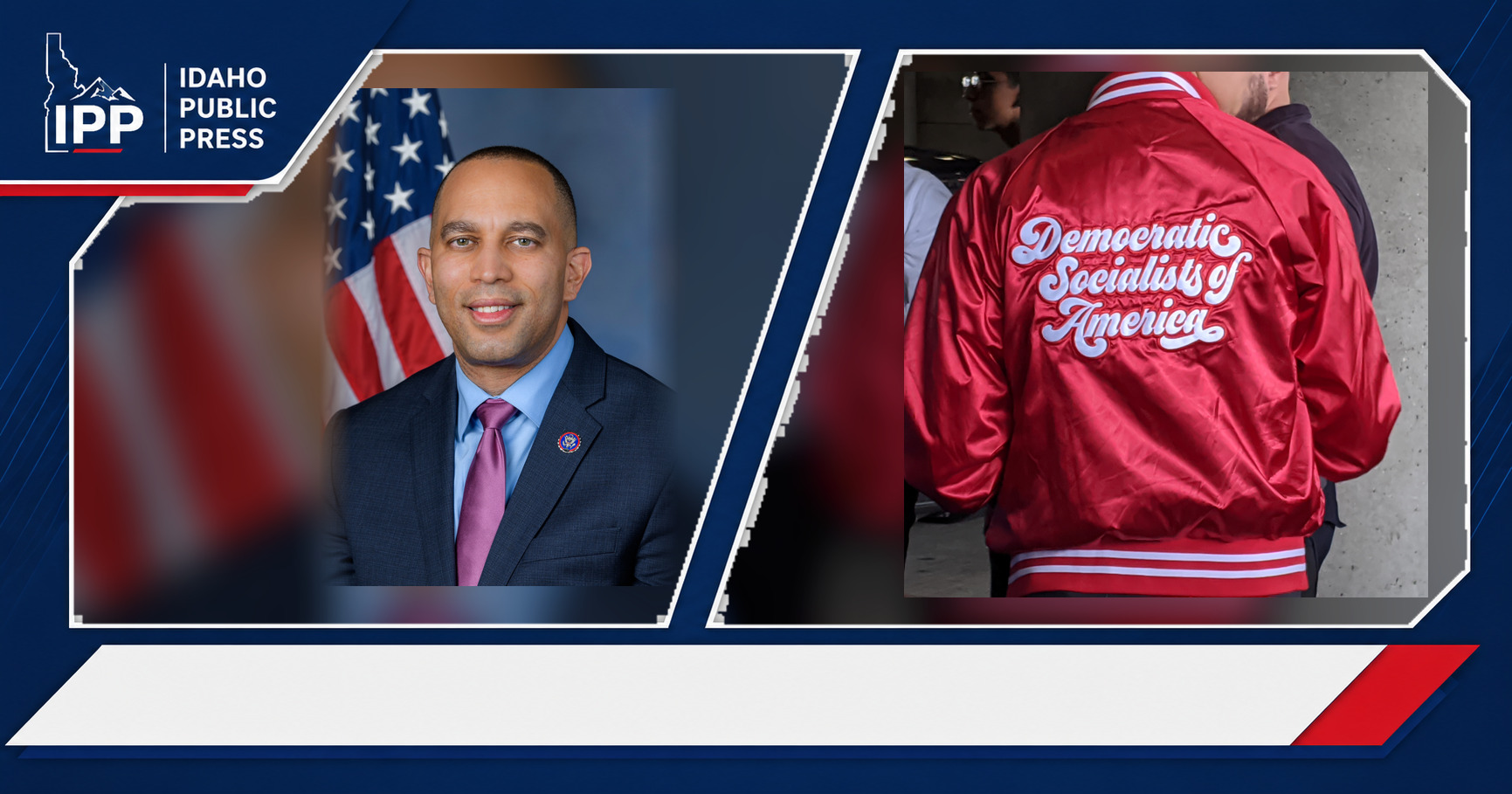
Jeffries’ comments put a sharper public boundary around his brand of Democratic leadership. The question is whether a focus on affordability and targeted reforms can unite a caucus that includes democratic socialists, progressives and moderates.
Hakeem Jeffries said he does not support Medicare for All and said he does not support the Democratic Socialists of America agenda, drawing a public distinction between House Democratic leadership and some of the party’s best-known left-wing priorities. The House minority leader’s comments matter because they clarify how Jeffries plans to position Democrats as they seek to win at least 218 House seats in the November midterms.
Jeffries, a New York Democrat, told NBC News’ Meet the Press that Medicare for All is not legislation he currently supports or co-sponsors. He also said he does not back the DSA agenda as defined by the organization itself, while arguing that the Democratic caucus remains broad enough to include progressives, moderates and Blue Dog Democrats.
Jeffries defines his own lane
The immediate takeaway is straightforward: Jeffries is separating his leadership agenda from a proposal that would move the U.S. to a government-run, single-payer health-care system and replace most private insurance.
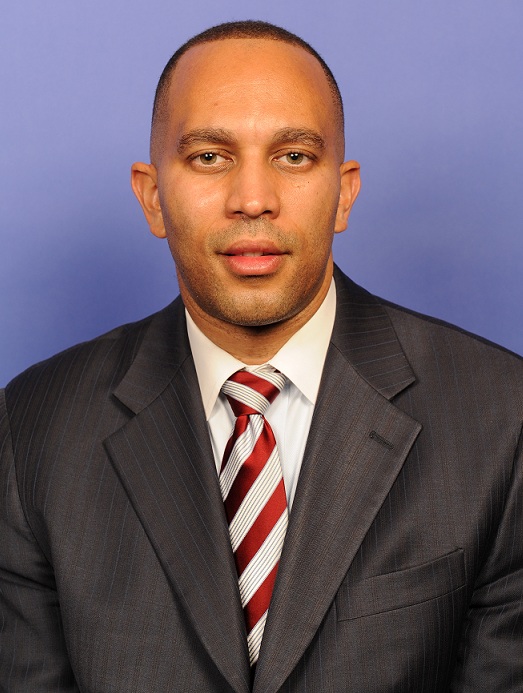
That is a notable shift in his public record. According to Newsweek, Jeffries previously co-sponsored Medicare for All legislation between 2013 and 2021, before becoming the top House Democrat. His latest remarks make clear that past support should not be read as an endorsement of the current push.
Jeffries did not frame his position as opposition to lowering health-care costs. Instead, he placed health care alongside grocery, gasoline and housing prices as central affordability concerns for voters. That distinction is politically important: rejecting Medicare for All is not the same as rejecting a larger government role in health care or abandoning cost-focused policy.
What Medicare for All would change
Medicare for All is generally used to describe legislation that would establish a universal single-payer system, with the federal government financing comprehensive coverage for Americans. Versions of the bill have been introduced for years, most prominently by Senator Bernie Sanders and progressive House members.
Supporters argue that a universal public plan could cover everyone, reduce or eliminate many out-of-pocket costs, and cut the administrative complexity associated with private insurance. For advocates, the appeal is both practical and moral: health coverage would no longer depend on an employer, income or a private insurer’s network.
Critics focus on the scale of the transition. Replacing most employer-sponsored and private coverage would require substantial new federal spending and tax changes, while raising difficult questions about provider payment rates, the role of private insurers and whether people could keep existing coverage arrangements.
The proposal has remained a defining issue for the Democratic left, but it has not assembled enough congressional support to become law. Jeffries’ stance reflects that reality as well as an ideological choice about where party leadership should place its emphasis.
The DSA is not the caucus
The Democratic Socialists of America is a political organization whose members and allies have helped shape debates over health care, housing, labor rights, policing and immigration. Some elected Democrats identify with democratic socialism or work closely with DSA chapters, but the organization does not speak for the entire Democratic Party.
Jeffries stressed that point by describing House Democrats as a coalition spanning several ideological factions. His rejection of the DSA agenda is therefore not a declaration that progressives are outside the caucus. It is a statement that the party’s House leader does not accept one outside organization’s full policy program as the caucus’ governing platform.
That difference may sound procedural, but it matters in a party where activists often evaluate elected officials through specific litmus-test issues. A leader can support a higher minimum wage, abortion rights, climate action or a tougher stance on corporate power while declining to embrace democratic-socialist policy packages in full.
Affordability is the central message
Jeffries’ alternative framing centers on cost of living. He said Democrats should focus on driving down costs for families who are working hard but struggling to get by.
That message is designed to be broader than an argument over Medicare for All. It gives Democrats room to advocate for prescription-drug savings, insurance reforms, housing measures, consumer protections and wage-focused policies without committing to a single-payer overhaul.
It also gives Jeffries a way to speak to voters who may be frustrated by high bills but wary of a major restructuring of the health-care system. Whether that balance is persuasive will depend on what policies Democrats put behind the affordability label, not only on what proposals they reject.
ICE adds another point of contrast
Jeffries also used the interview to reject calls to abolish Immigration and Customs Enforcement, saying Democrats favor dramatically reforming the agency. He said immigration enforcement should be fair, just and humane, while criticizing ICE as out of control.
Those remarks arrived after Democratic National Committee members backed a resolution urging lawmakers to dissolve ICE, though members also approved a separate reform-focused measure by a larger margin, according to Newsweek. DNC Chair Ken Martin said formal party positions are established at the national convention through the party platform.
The episode underscores the same strategic line evident in Jeffries’ Medicare for All comments: he is trying to distance House Democratic leadership from abolition-oriented demands while still criticizing the Trump administration’s immigration approach and calling for changes to federal enforcement.
A test of Democratic coalition politics
Jeffries’ comments will likely please Democrats who believe the party needs a message built around practical economic relief and incremental, achievable legislation. They may also frustrate activists who see Medicare for All and the DSA’s broader agenda as necessary answers to unequal access to health care, high costs and concentrated corporate power.
Neither side is arguing over a minor branding dispute. The disagreement is about the scale and speed of change Democrats should pursue, especially when the party is trying to win competitive districts as well as energize voters who want a more transformational agenda.
For now, Jeffries has made his positioning unusually explicit: Democrats can be a coalition, but he does not intend to lead it from the democratic-socialist lane. The next question is how clearly he and House Democrats can translate that boundary into a concrete affordability program voters recognize.








Leave a Reply