
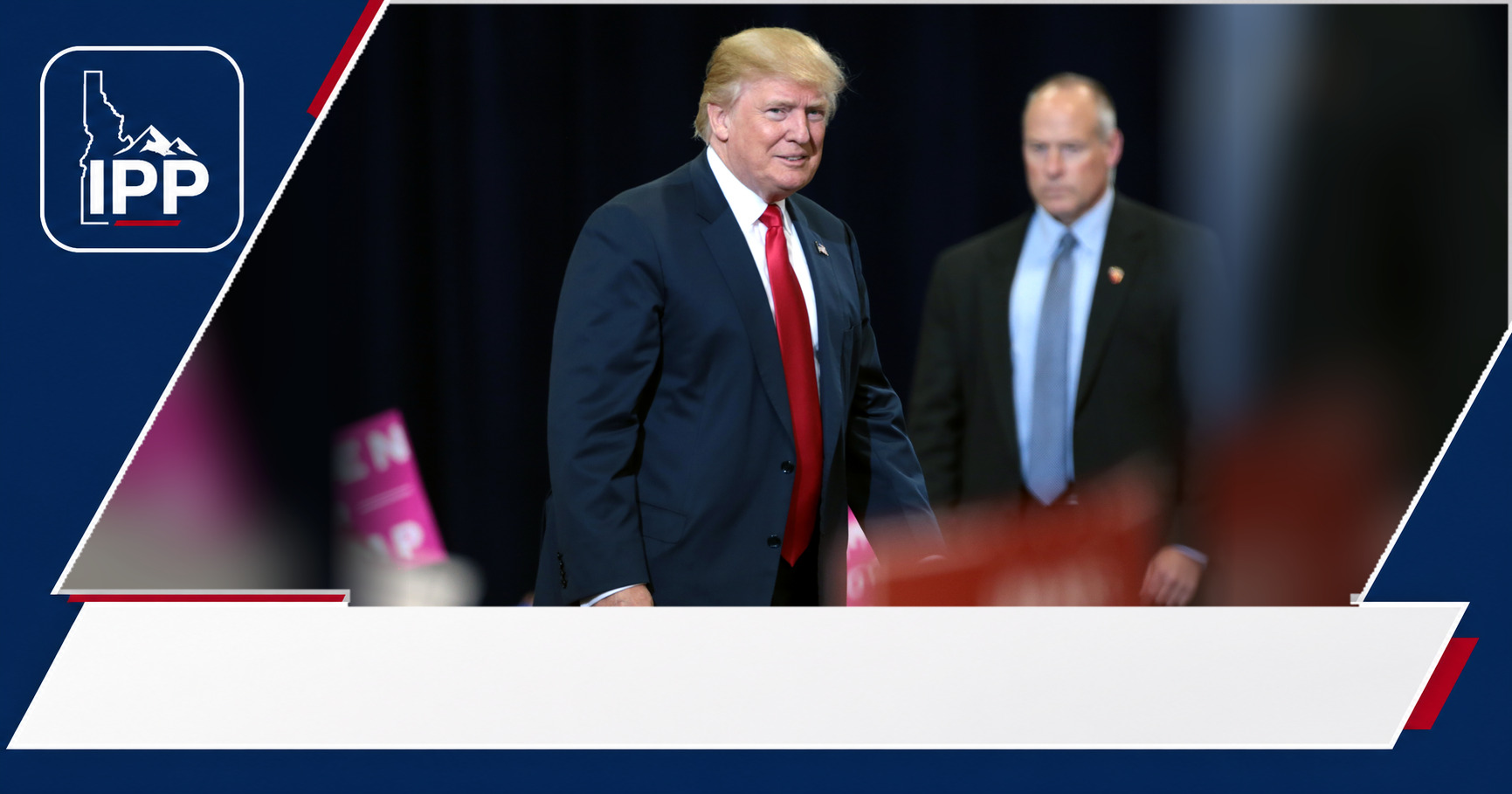
The dispute is not about whether the BBC’s Panorama edit was defamatory—at least not yet. It is about whether Trump can prove the financial harm he says the program caused, and what documents the BBC can use to test that claim.
Donald Trump tried to avoid financial discovery in his lawsuit against the BBC, but a Florida judge ruled on Tuesday in Miami that he must provide financial records sought by the broadcaster. The decision could substantially benefit the BBC because Trump’s lawsuit seeks $10 billion in damages, making evidence of his claimed financial loss central to the dispute.
Judge Enjoliqué Lett granted the BBC’s request for records held by the Donald J. Trump Revocable Trust, which manages Trump’s business interests while he is president. The case stems from a Panorama program that edited together portions of Trump’s 6 January 2021 speech, on the day of the US Capitol riot.
The fight is over proof
Trump’s lawsuit alleges that the BBC defamed him through the edited clip. But a defamation claim seeking damages on the scale Trump is requesting raises a practical legal question: what evidence shows the allegedly false publication caused the claimed loss?
That is why the financial-records ruling matters. The BBC is not merely seeking material about the documentary or the edit itself. It is also seeking documents that could help it test whether Trump can substantiate the economic damage he says he suffered.
Discovery is the stage of a civil case when each side can seek records and other information that may be relevant to the claims and defenses. It can be technical, expensive and contentious, but it often shapes a case well before a jury ever hears it.
For the BBC, access to trust records could offer a way to challenge the size, basis or causation of Trump’s claimed damages. For Trump, the documents concern financial information he had argued should not be broadly exposed through the litigation.
Judge grants a key request
According to BBC reporting, Lett granted the broadcaster’s motion to compel production of records from the Donald J. Trump Revocable Trust. The ruling came at the first hearing in the case in Miami.
The order was not a complete victory for either side. Lett issued a split decision on another BBC request involving documents related to the Capitol riot, according to the BBC.
That distinction is important. A court can allow discovery of records relevant to one issue while limiting or delaying demands it finds too broad, insufficiently connected to the claims, or otherwise inappropriate at that stage.
The financial ruling also can be appealed, the BBC reported. An appeal or request for reconsideration could slow the process, but it does not erase the immediate significance of the court’s decision: the broadcaster has won access, at least for now, to a category of material it considers important to its defense.
Competing accounts of discovery
The parties have offered sharply different descriptions of how discovery has unfolded. BBC lawyer Charles Tobin said the corporation had produced 87,000 pages of documents, while Trump’s side had provided 735 pages that he characterized as news articles and internet material.
Tobin called the process “entirely one-sided,” according to the BBC’s account of the hearing. That argument helps explain why the broadcaster pressed for a court order compelling more production.
Trump lawyer Alejandro Brito called the BBC’s requests “oppressive” and “sweeping.” He argued that the broadcaster was pursuing an improper fishing expedition, including through requests involving Trump’s communications with aides and subpoenas aimed at government agencies and former officials.
Those competing descriptions reflect a standard discovery conflict. The party seeking records says the documents are necessary to examine a claim. The party resisting says the request reaches too far, imposes an unfair burden, or seeks material with little real connection to the case.
Why the $10 billion demand matters
Trump’s $10 billion damages demand gives the BBC a strong argument that his financial position and alleged business harm are relevant. A plaintiff seeking a large monetary award generally must show more than that a statement was objectionable or damaging in the abstract.
That does not mean every Trump financial record will necessarily become available to the BBC. Courts can set limits on time periods, categories of documents, confidentiality and how material may be used. The scope of production may be contested in later filings.
Still, the ruling creates leverage for the BBC. If the requested records support Trump’s claimed losses, they could become part of his evidence. If they do not show a clear connection between the program and a financial setback, the broadcaster could use that gap to argue that the damages claim is overstated or unproven.
The same dynamic explains why Trump’s legal team fought the request. Financial documents can be sensitive, particularly when they involve a trust used to manage business holdings. A successful resistance effort could have narrowed the BBC’s ability to examine a core part of the case.
The Panorama edit remains central
The underlying lawsuit concerns a Panorama episode that combined different portions of Trump’s 6 January 2021 remarks. The BBC has acknowledged that the edit unintentionally created what chairman Samir Shah described in a letter as the mistaken impression that Trump made a direct call for violent action.
Trump’s lawyer has treated that letter as a significant concession by the broadcaster. The BBC, however, has sought dismissal of the case, arguing that the documentary was not broadcast in the United States.
Neither the financial-records ruling nor the discovery dispute decides the ultimate defamation question. The court has not yet resolved whether the case should be dismissed, whether the program meets the legal standard for defamation, or whether Trump can prove the damages he seeks.
That is the limit of Tuesday’s development: it is a procedural ruling, not a final finding about the truth or falsity of the BBC’s reporting. Yet procedural rulings can matter enormously when they determine which evidence each side will have when those larger questions are argued.
What happens before any trial
The immediate next issue is likely to be the mechanics of production. The parties may dispute exactly which trust records must be produced, whether any should be protected as confidential, and how quickly the BBC can review them.
Trump may also challenge the order. The BBC’s separate dismissal request remains unresolved, leaving open the possibility that the court could dispose of the case without reaching a trial.
For now, the ruling undercuts Trump’s attempt to keep the financial-discovery fight tightly contained. In a lawsuit built around a $10 billion claim, the BBC has gained a court-approved path to examine the financial evidence behind that number.
That does not establish that Trump’s claim lacks merit, nor does it guarantee a win for the BBC. It does mean the broadcaster enters the next stage with more potential leverage than it had before the Miami hearing.







Leave a Reply