
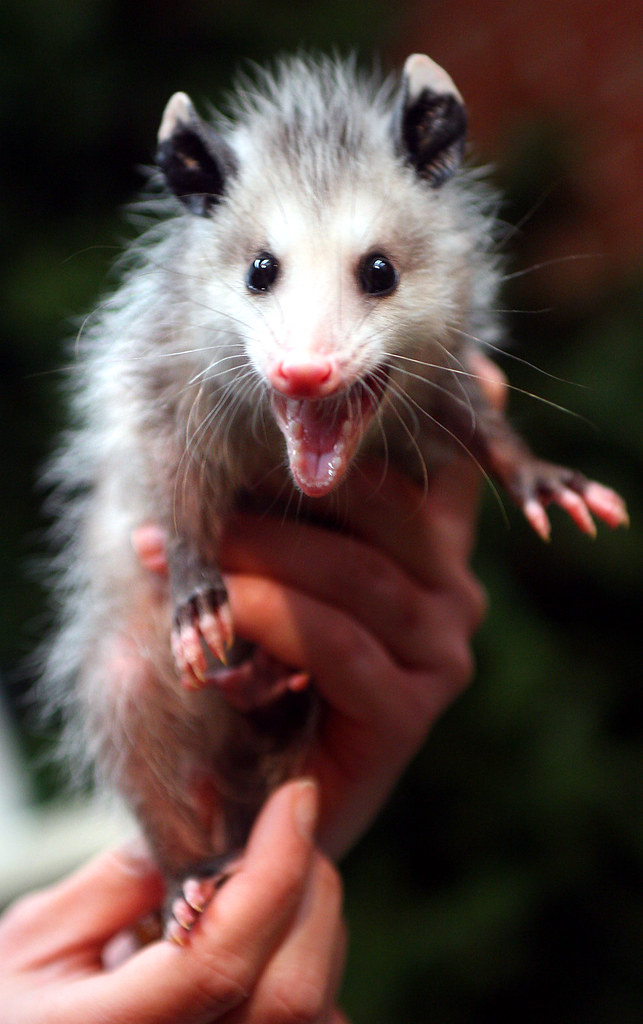
Opossums have an intimidating look and a reputation they have not entirely earned. In many yards, a brief nighttime visit is a sign of ordinary urban wildlife activity—not a reason to panic or reach for a trap.
An opossum appearing in your yard can be good news, according to the wildlife-expert guidance behind a recent Country Living trend story. The animal may be a temporary nighttime visitor doing what opossums do: foraging for food, including insects and fallen fruit, rather than looking for a confrontation.
That does not mean every opossum encounter should be ignored. The useful takeaway is more practical: know when to leave the animal alone, avoid turning a visit into a recurring problem, and respond to genuine safety issues without treating a wild animal as a villain.
Why one opossum is not alarming
Opossums are North America’s only native marsupials, and they are largely nocturnal. A homeowner may see one moving along a fence, under a deck or across a patio after dark, then never see it again.
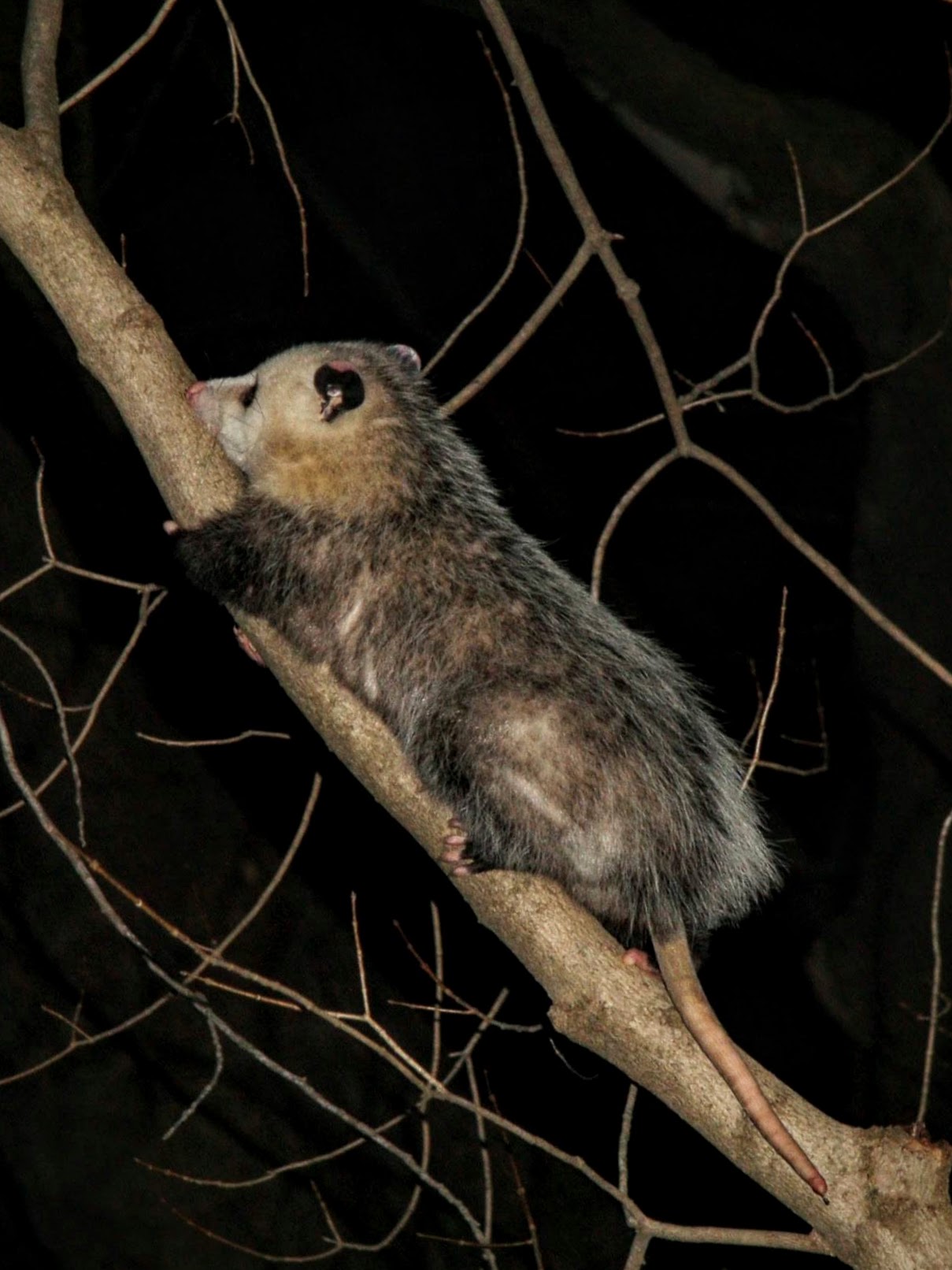
That pattern matters. A single sighting does not necessarily mean an animal has moved in, nor does it prove there is an infestation. Wildlife agencies regularly stress that conflict is often about the food and shelter people unintentionally make available, not an animal acting aggressively.
The Washington Department of Fish and Wildlife frames this as a broader coexistence issue. Animals labeled “nuisance” wildlife are usually following survival instincts, and a workable response can involve changing the conditions around a home rather than trying to remove every visitor.
The quiet cleanup crew role
Opossums are opportunistic omnivores. Their diet can include insects, snails, slugs, carrion, fallen fruit and other readily available food. In a garden or yard, that scavenging behavior can help clear material that would otherwise sit and rot.
This is the strongest reason an opossum may be welcome in moderation: it occupies a normal ecological role as a forager and scavenger. It is not a lawn-care service, and it will not solve a pest problem on its own. Still, its presence can be part of an active backyard ecosystem rather than evidence that something has gone wrong.
Claims online that opossums are a guaranteed answer to ticks deserve more caution. Opossums may eat some insects and other invertebrates, but homeowners should not rely on a visiting animal for tick control. Established protections—repellent, protective clothing, pet prevention and yard maintenance—remain the more dependable approach.
Hissing is usually a warning
An opossum’s open mouth, hissing or drooling can look frightening. Often, those behaviors are defensive displays from an animal that feels cornered, threatened or stressed.
“Playing dead,” formally called thanatosis, is another famous opossum defense. The involuntary response can make an animal appear unresponsive for a time. It is not an invitation to touch, move or inspect it.
Long Beach Animal Care Services notes that opossums are extremely resistant to rabies and specifically cautions people not to assume an opossum is rabid because it hisses, drools or sways. Resistance is not the same as a guarantee of zero risk, so the sensible rule remains simple: do not handle wildlife, and keep children and pets at a distance.
Do not make the yard irresistible
The line between a harmless passerby and a recurring visitor is often drawn by easy food. Pet food left outside, unsecured trash, overflowing bird feeders and fallen fruit can attract opossums and a range of other animals.
- Bring pet food and water bowls indoors after pets finish eating.
- Secure garbage and compost with tight-fitting lids.
- Pick up fallen fruit and clean outdoor eating areas.
- Close access points beneath sheds, porches and decks only after confirming no animal, including young, is inside.
- Keep pets supervised at night, when opossums and other wildlife are most active.
Feeding an opossum on purpose is not the same as peacefully sharing space. Regular food can encourage wildlife to linger near people and can create friction with neighbors, pets and other animals.
When a sighting becomes a problem
Most brief encounters call for patience, not intervention. Watch from indoors or a respectful distance, give the animal a route away and remove whatever may be attracting it.
The situation changes if an opossum is trapped in a garage, has entered a living space, appears visibly injured, or is stuck in a window well or other enclosure. In those cases, contact a local animal-control department, wildlife rehabilitator or state wildlife agency for advice.
Do not assume live trapping and relocation are the easy answer. The Washington Department of Fish and Wildlife notes that laws can regulate trapping, relocation, harassment and possession of wild animals. Rules differ by state and municipality, and moving an animal can create risks for the animal and simply shift the issue elsewhere.
Coexistence beats the snap judgment
The reflex to fear an opossum is understandable: it is unfamiliar-looking, active when most people are asleep and capable of putting on a dramatic defensive display. Yet a calm, healthy animal passing through a yard is often just evidence that wildlife is using the same neighborhood landscape humans do.
The good-news framing has limits. An opossum should not be encouraged to nest under a house, fed by hand or treated as a pet. But when the animal is merely passing through, the best response is usually to secure attractants, protect pets and let it continue on its way.
That approach respects the animal’s small but real role in the local food web while keeping the home environment safer and less inviting to unwanted repeat visits.











Leave a Reply