
Jackie’s death closes a difficult chapter for the Big Bear Valley eagle community and the viewers who followed her life for years. Her treatment also drew attention to the complex medical threats facing wild raptors.
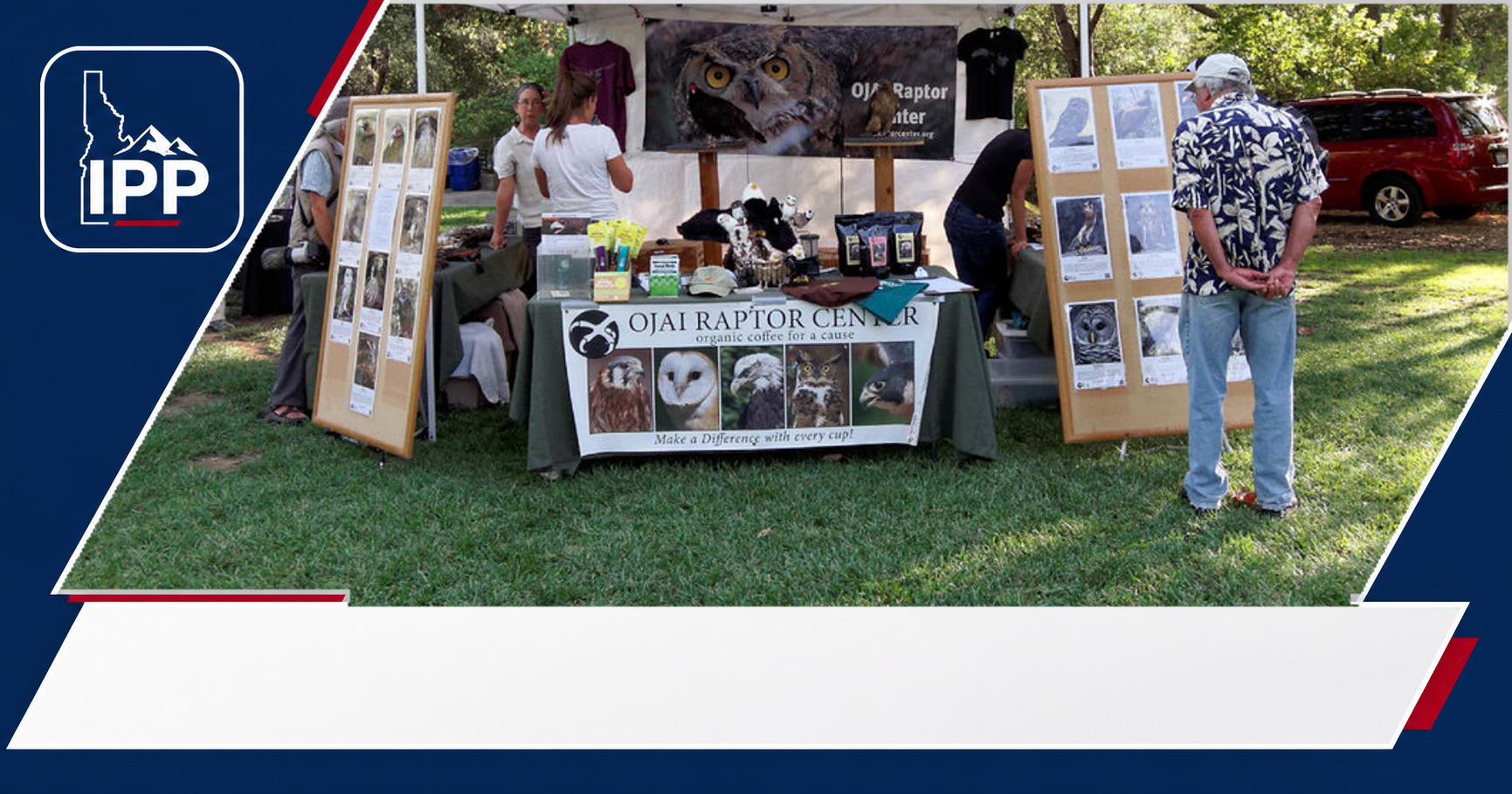
Bald eagle Jackie died after more than three weeks of treatment at the Ojai Raptor Center, the California wildlife facility that cared for her after she was found injured in July. Jackie became famous through a California nest cam in Big Bear Valley, and her death followed an intensive effort to stabilize a bird whose condition had become critical.
The Ojai Raptor Center said Jackie, known there as Patient 26-519, died in the early hours of Aug. 10. For the many people who watched her on the Big Bear Eagle Nest Cam, the loss is a reminder that even a familiar wild animal can face medical dangers that are difficult to diagnose and harder to overcome.
A difficult three-week fight
Jackie entered rehabilitation after being seen in what observers described as an altercation with two subadult eagles on July 17. She was later found on the ground near Dana Point Park and transported to the Ojai Raptor Center, roughly 170 miles from Big Bear Valley.
Her injuries were only part of the concern. Early bloodwork indicated severe anemia and kidney inflammation, according to updates from the center. Wildlife veterinarians began supportive treatment while working to determine why her health had declined so sharply.
The case became increasingly serious in the days before her death. On Aug. 9, the center said Jackie was critically ill and unstable despite round-the-clock care and extensive testing.
In its final announcement, the Ojai Raptor Center said it had been an extraordinary privilege to care for her. Jackie’s remains were transferred to the California Department of Fish and Wildlife.
Her illness defied easy answers
Jackie’s treatment showed why wildlife medicine rarely produces neat explanations on a public timeline. Caregivers explored several possible causes while trying to keep her alive, including rodenticide toxicity, lead poisoning, cancer and the possibility of metal objects in her body.
The center said she was treated for rodenticide toxicity, but did not believe it was the primary driver of her illness. Testing also ruled out lead poisoning, a major known threat to bald eagles and other scavenging birds.
Her anemia remained the immediate crisis. Jackie received a blood transfusion from another eagle and oxygen therapy on July 20. On Aug. 3, the center reported that her packed cell volume, a measure used to assess red blood cells, had fallen to 13%.
By Aug. 8, that figure had dropped below 6%, before rising to 9% the next day. The change offered a small sign of response, but the center stressed that her condition was still extremely serious.
Many experts joined her care
Jackie’s case involved more than one clinic or one veterinarian. The Ojai Raptor Center said nine veterinarians were involved in evaluating her condition, alongside representatives from the U.S. Fish and Wildlife Service and the California Department of Fish and Wildlife.
That collaboration reflects the stakes of treating a protected native species, but it also illustrates the limits of intervention. A bird can receive advanced diagnostics, transfusions and continuous monitoring while the underlying medical problem remains unresolved.
The available updates identify a severe health battle, not a single confirmed final cause of death. That distinction matters. The public may naturally connect Jackie’s decline to the July encounter with other eagles, but the reporting does not establish that the altercation alone caused the illness that followed.
For rehabilitation teams, that uncertainty is part of the work. Their role is to respond quickly, gather evidence and give an animal the best possible chance, even when the prognosis shifts from day to day.
Jackie grew into a local icon
Jackie was more than a widely watched eagle. She was the first eaglet hatched in Big Bear Valley in 2012, part of a nesting story that helped turn the area into a destination for eagle watchers.
Her parents, Ricky and Lucy, were the first known adult eagles to remain in Big Bear Valley year-round rather than using it only as a winter destination. Local resident Sandy Steers and a U.S. Forest Service employee later helped develop the idea for a webcam near the nest.
It took two years to raise the $10,000 needed for the solar-powered camera, which was installed 120 feet above the forest floor. The camera gave viewers an unusually close window into eagle behavior, from feeding and flight practice to nesting and parenting.
Jackie later became a central figure in that ongoing story. She first paired with an eagle called Mr. B, then formed a long-term pair bond with Shadow after he displaced her earlier mate. The pair became familiar to viewers who returned season after season.
A community mourns its eagle
Friends of Big Bear Valley, which manages the Big Bear Eagle Nest Cam, described Jackie’s illness as part of a season of uncertainty for the eagle family. After her death, the organization urged supporters to be kind to themselves, its staff and the Ojai Raptor Center team.
That message speaks to an unusual bond created by wildlife cameras. Nest cams can make wild animals feel personally known, but the animals remain subject to weather, territorial disputes, disease, toxins and other pressures beyond a viewer’s control.
Some people see that exposure as painful, especially when a well-known animal dies. Others see it as the value of the camera itself: a more honest view of wildlife, one that includes survival, loss and the effort required to protect vulnerable species.
Jackie’s years on camera gave viewers a reason to care about bald eagles beyond a fleeting sighting. Her final weeks also made the work behind wildlife rescue visible, from testing and transfusions to the difficult reality that devoted treatment cannot guarantee recovery.
What comes after Jackie’s death
Shadow remains part of the Big Bear Valley eagle story, though what happens around the nest in the coming season is uncertain. The nest cam community will likely continue to watch the area closely, mindful that eagle pair dynamics can change after the loss of a longtime mate.
For now, the clearest facts are those shared by the organizations that cared for and followed Jackie: she was rescued after the July incident, underwent more than three weeks of intensive treatment in Ojai, and died despite a broad medical effort.
Her death has left a visible absence in Big Bear Valley. It has also left behind a fuller public understanding of what it takes to care for a seriously ill wild raptor—and how fragile even a celebrated eagle’s place in the landscape can be.










Leave a Reply