
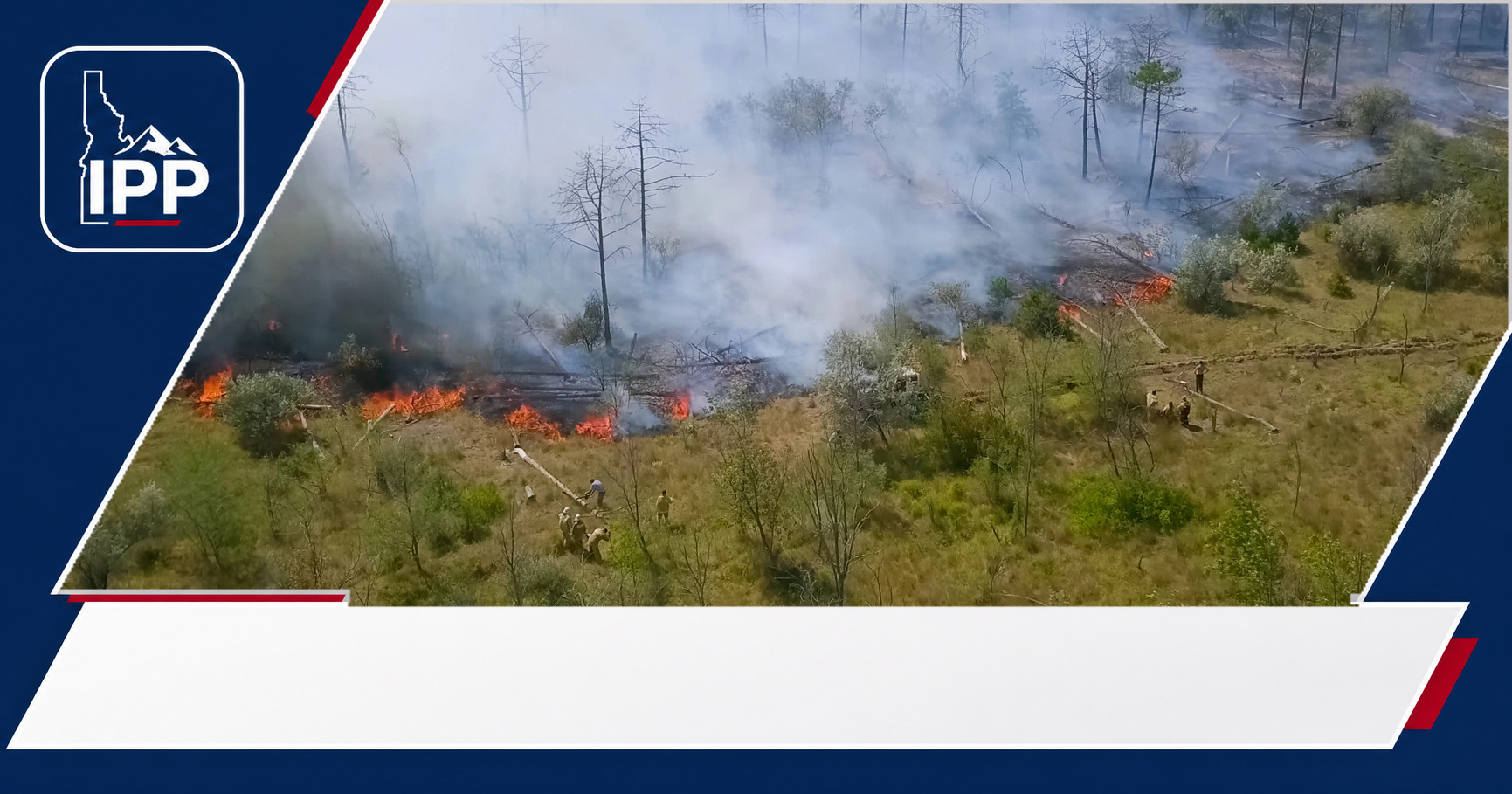
The wildfire picture is moving in two directions at once: major evacuations in Canada and improving conditions near Spokane. Hot, dry and windy weather means neither development should be read as a final resolution.
Challenging fire weather continues across the West as thousands of people have been evacuated from wildfires in Canada, including 17,000 people in Manitoba. At the same time, fire crews near Spokane are gaining ground against wildfires, offering a measure of progress in the Western United States while dangerous heat, dryness and wind keep the broader risk high.
The contrast matters because a fire line can improve quickly, while the weather that drives new ignitions, smoke and fast-moving flames can remain dangerous across a much wider region. Canada’s evacuations and Spokane’s containment gains are part of the same unsettled fire-weather picture.
Manitoba’s evacuation emergency
About 17,000 people have evacuated in Manitoba as fast-moving wildfires affect parts of Canada, according to BBC reporting. The scale of the displacement has pushed authorities to use military aircraft and helicopters to move some residents from remote communities.
Flin Flon, a Manitoba city of about 5,000 people, was largely evacuated, with firefighters and support workers remaining, the BBC reported. The evacuation of Pukatawagan, a northern First Nations community, was described by a Manitoba official as rapidly evolving.
Those details underline why wildfire coverage cannot be reduced to acreage or a containment figure. Evacuations can be especially difficult in remote places, where road access is limited and moving people safely may depend on aircraft, fuel, weather windows and available emergency crews.
Why dry wind changes everything
Officials and meteorologists have warned that hot, dry conditions could persist. Danielle Desjardins, a meteorologist with Environment and Climate Change Canada, told the BBC that a cold front expected in parts of Saskatchewan could bring wind without meaningful relief to the areas where fires are burning.
That is a difficult combination for firefighters. Heat and low humidity pull moisture from vegetation, making grass, brush and forest fuels easier to ignite. Wind can then push flames ahead of established lines, carry embers into unburned areas and complicate aircraft operations.
Saskatchewan and Manitoba declared states of emergency for the next month and sought international help fighting fires, the BBC reported. Saskatchewan had 17 active wildfires, eight of them not contained, while the Canadian Interagency Forest Fire Centre classified conditions in the province as extreme.
Spokane progress needs context
Fire crews near Spokane are gaining ground, an important development for communities facing the immediate threat of nearby fire. Progress generally means crews have improved their ability to hold a perimeter, protect structures or limit a fire’s forward spread.
But the available reporting does not identify a specific Spokane-area fire, provide a containment percentage, or say whether evacuation orders have changed. Those omissions matter: “gaining ground” is encouraging, but it is not the same as a declaration that a fire is contained or that conditions are safe.
Residents in affected areas should rely on local emergency-management agencies, fire districts and county alerts for evacuation instructions rather than treating regional reports as a neighborhood-level all-clear. Wildfire conditions can change quickly, particularly when winds increase or embers cross containment lines.
Smoke crosses borders too
The fires are already affecting places far from the evacuation zones. Dense smoke from more than 188 fires had spread across Canada and into parts of the United States, according to officials cited by the BBC.
An estimated 22 million Americans were under air-quality alerts over the weekend. Northern Minnesota faced warnings that smoke could reach levels considered unhealthy for everyone, while other areas had advisories directed at people especially sensitive to polluted air.
Smoke is the quieter regional consequence of a major fire outbreak. It can disrupt outdoor work, sports, travel and daily routines hundreds of miles from flames. People with heart or lung conditions, older adults, children and pregnant people are often advised to take air-quality alerts particularly seriously.
A gain is not a finish line
The encouraging news near Spokane and the severe conditions in Manitoba can both be true. Firefighters can make meaningful progress on one incident even as the broader weather pattern creates new risks elsewhere.
That distinction is especially important during prolonged hot and dry periods. A forecast change that brings only wind, rather than sustained rain and cooler temperatures, may make operations harder instead of easing the threat.
Canada’s 2023 wildfire season, when more than 42 million acres burned, showed how quickly a regional fire season can become a continent-wide smoke and public-health event. The current situation is different in its details, but the core lesson remains: containment updates are important, yet weather, smoke and evacuation needs often determine the larger public-safety story.
What remains unclear next
The immediate questions are whether weather conditions improve, whether Manitoba and Saskatchewan can stabilize their most threatening fires, and when evacuated residents can return safely. Officials have warned that the coming days are critical as dry conditions persist.
Near Spokane, the next meaningful markers will be confirmed containment information, fire behavior forecasts and any changes to evacuation guidance. Until those updates are available, the clearest takeaway is cautious: crews are making progress, but challenging fire weather across the West has not gone away.









Leave a Reply