
FIFA says outside capital could expand global development funding. Critics see a dangerous shift in who profits from football’s biggest competitions.
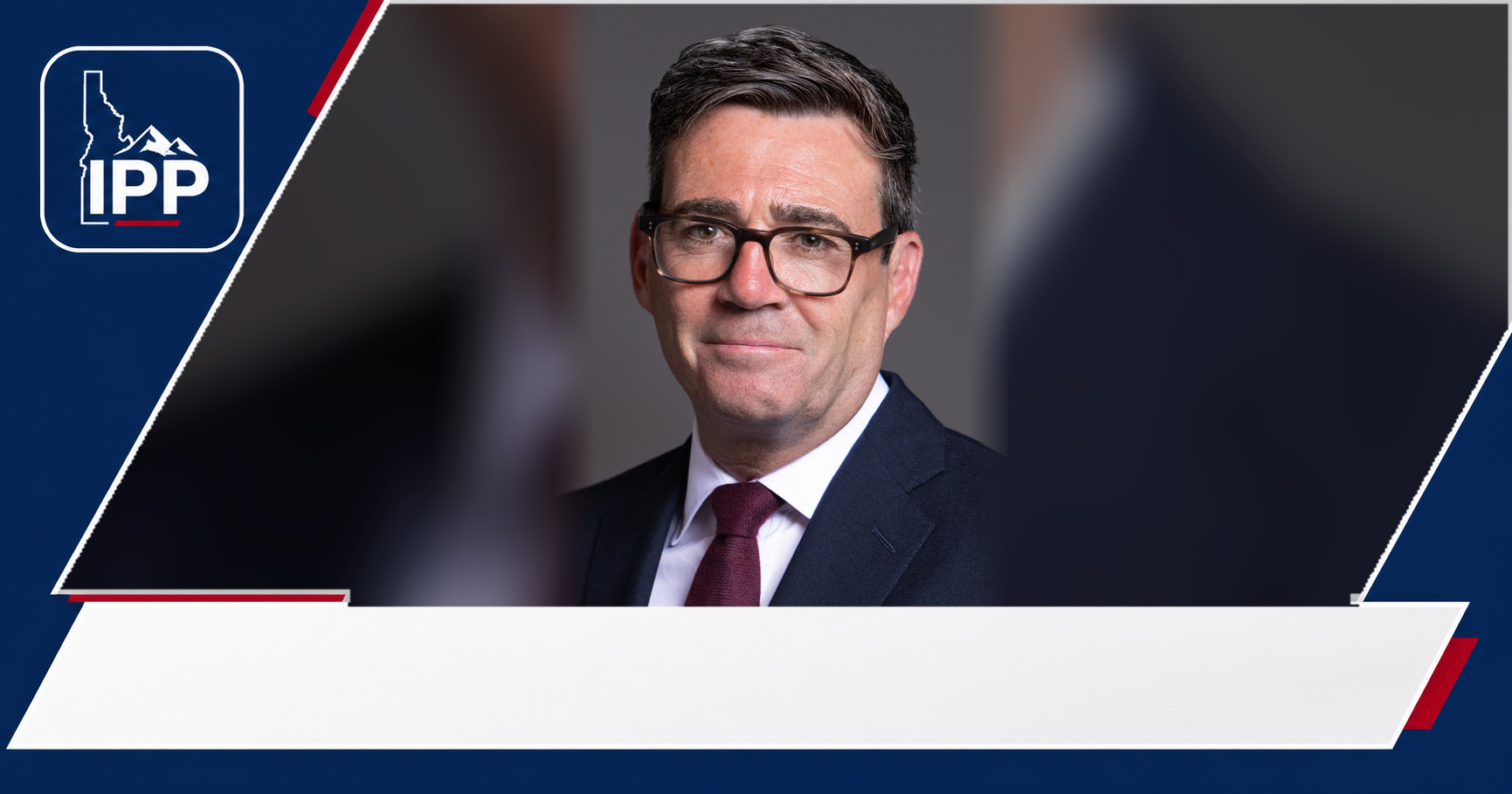
Andy Burnham hit out at FIFA over a plan to sell stakes in a new tournament business tied to World Cup-related competitions, a proposal FIFA says would help lift football development funding beyond $10bn (£7.5bn). Uefa also criticised the idea, while president Gianni Infantino argued the game’s riches should reach more nations.
The plan would need support from FIFA’s 211 member associations, after scrutiny from its 37-member Council, and could bring private investors into the commercial machinery around the World Cup. The dispute matters because it tests whether football’s biggest events are public sporting heritage or assets to monetize.
FIFA’s pitch is development money
At the centre of the row is FIFA’s proposal to create a new subsidiary, FIFA Forward Enterprise, to consolidate parts of its commercial and event operations. According to BBC Sport, FIFA says the vehicle would allow third parties to take minority, non-controlling investments while FIFA keeps authority over football governance, competitions, the international match calendar and sporting regulations.
That is the official dividing line: FIFA says it is not selling control of the World Cup itself. Critics say the distinction may not matter much if outside investors gain an economic interest in the business built around FIFA’s major tournaments.
Reuters has reported that FIFA is considering a stake sale through a new entity valued at about $20 billion. FIFA’s broader argument is that the money would fund football development on a much larger scale, especially for associations outside the richest leagues and markets.
Infantino framed the plan as a way to spread the value generated by the global game. In FIFA’s view, the commercial success of elite football should be used to support more sustainable growth across its full membership, not just the countries and competitions that already attract the biggest broadcast and sponsorship deals.
Burnham casts it as selling out
Burnham’s objection was blunt. In comments posted on X and reported by BBC Sport, he said football does not belong to investors, but to the fans who fill stands and stand on touchlines week after week.
His strongest line was aimed at the World Cup’s status as more than a revenue platform. Burnham said the World Cup is not a product and was never FIFA’s to sell, adding that once a piece of it has been sold, FIFA has “sold out.”
Uefa’s criticism landed in a similar register, though with more institutional force. European football’s governing body said the proposal “crosses a line” and argued that the soul and governance of football are not assets to trade.
That language echoes the backlash to the European Super League, where fans, clubs, leagues and politicians objected to a closed commercial model built around a small group of powerful teams. This FIFA proposal is different in structure, but it triggers the same fear: that football’s central competitions could be reshaped around investor returns.
The funding carrot is substantial
FIFA’s case should not be dismissed as pure corporate spin. For many of its 211 member associations, the promise of new money is significant. BBC Sport reported that the plan includes access for all member associations to up to $20m (£15m) in one-off capital for development.
That amount is modest by Premier League standards. For smaller football nations, it can fund facilities, youth systems, women’s football, coaching, refereeing, national training centres and administrative upgrades that would otherwise take years to finance.
This is why the eventual vote may not break along the lines that European critics expect. Associations with fewer commercial opportunities may see FIFA Forward Enterprise less as a privatization threat and more as a rare chance to receive meaningful capital.
The tension is that development money does not arrive in a vacuum. If private investors put money into a tournament business, they will expect growth. That expectation is where the sporting consequences begin.
Calendar pressure is the fear
The biggest practical concern is not only who invests, but what the investment demands later. Football finance expert Kieran Maguire told BBC Sport that a new entity would need to make money to satisfy shareholders, creating pressure for more and bigger FIFA events.
That could revive arguments over a 64-team World Cup, a biennial World Cup, further Club World Cup expansion or more commercial inventory around existing competitions. Even without any immediate rule change, the incentive would shift toward adding matches, markets and broadcast windows.
Uefa has its own reasons to be alarmed. More FIFA competition could compete with European tournaments, squeeze domestic leagues and intensify pressure on players already facing crowded club and international schedules.
For fans, the danger is subtler but real. Scarcity is part of what makes the World Cup feel special. If the event becomes one part of a larger investment-backed growth machine, the emotional value that Burnham is defending could be harder to protect.
Transparency questions remain
The proposal also raises governance questions that FIFA has not fully answered in public. BBC Sport reported that Thrive Eternal is expected to lead the proposed investor group if the plan is approved. Thrive is linked to American venture capital firm Thrive Capital, founded by Joshua Kushner.
The Times reported that the plan could potentially earn Infantino tens of millions of pounds, according to BBC Sport’s summary of the coverage. FIFA sources told BBC Sport there had been no discussion of Infantino, or anyone else, becoming chief executive of FIFA Forward Enterprise.
FIFA has said Infantino and the organization have a duty to control the development of the project. What that means in practical terms remains unclear. So do the precise investor rights, return expectations, safeguards, conflict rules and revenue-sharing mechanisms.
The Football Association said it was unaware of FIFA’s plans when they were released, according to BBC Sport. That detail matters because a proposal of this scale will need confidence not only from member associations, but from leagues, clubs, players and supporters who already feel decisions are being made above their heads.
The vote will expose priorities
The next stage is political as much as financial. The matter is expected to be discussed at a FIFA Council meeting in the autumn, around the FIFA Intercontinental Cup in December and potentially at the FIFA Congress in Morocco in March, where all 211 members could vote.
That vote would test two competing visions. FIFA’s version says private capital can be limited, controlled and used to spread football’s wealth. Burnham and Uefa’s version says even a minority stake changes the logic of the World Cup by inviting investors into a space that should remain governed by sporting need.
Both arguments contain a truth. Global football development is underfunded, and the richest parts of the sport do not distribute their wealth evenly. But investor-backed growth tends to come with pressure for more product, more rights and more predictable returns.
The unresolved question is whether FIFA can ring-fence the World Cup’s sporting integrity while selling a stake in the business around it. Until the financial terms and governance safeguards are public, Burnham’s criticism will resonate with anyone who worries that football keeps finding new ways to sell what fans thought already belonged to them.




Leave a Reply