
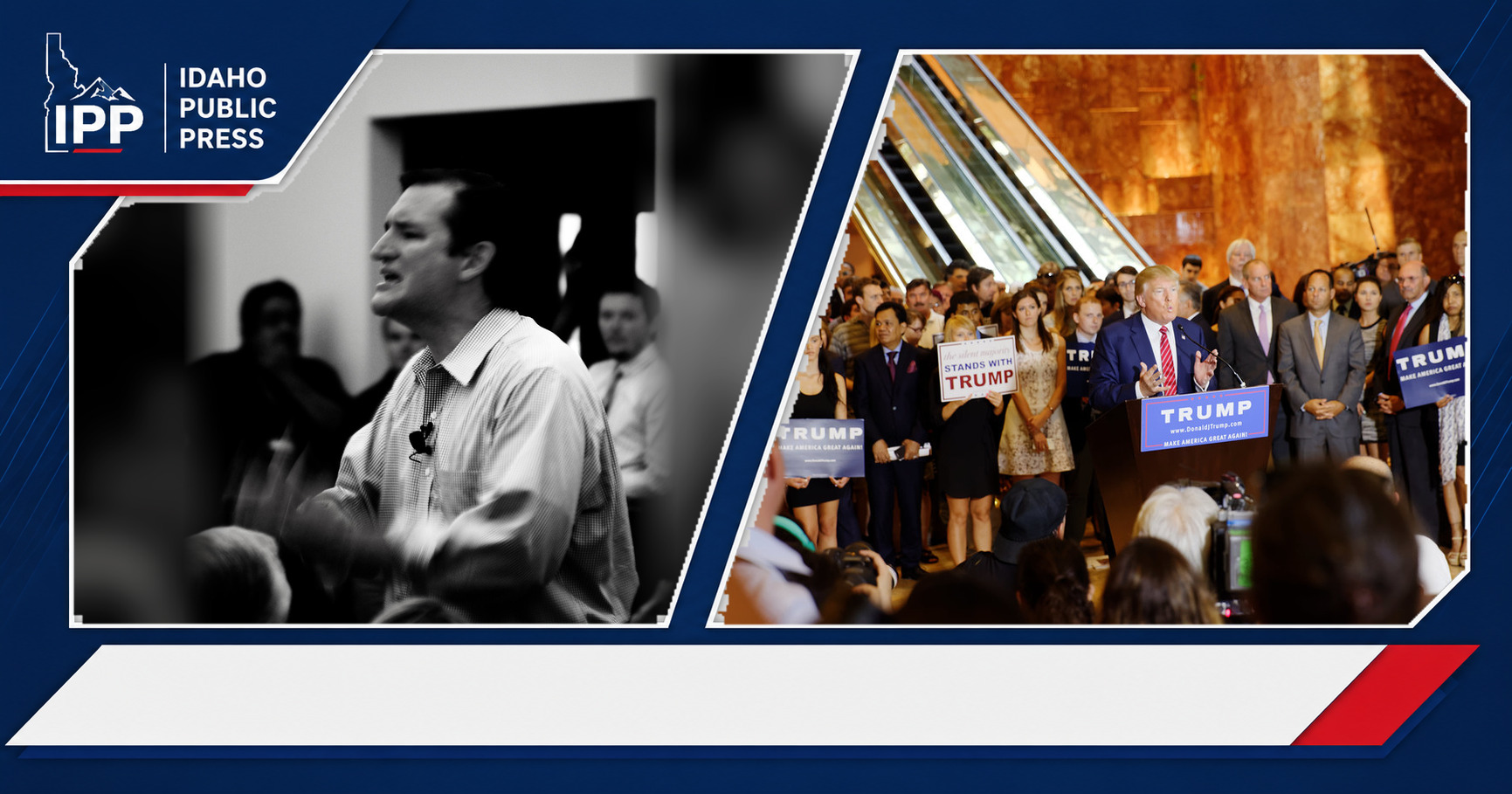
Trump accounts are being sold as a way to teach compound growth early. The fight is over whether they are a helpful savings tool, political branding, or a step toward a larger Social Security debate.
Ted Cruz praises Donald Trump’s new retirement idea: Trump accounts, a plan signed July 4 to open accounts for newborns in America and seed eligible children born in 2025-28 with $1,000. This article explains what the retirement idea is, why it is controversial, and how Cruz connects it to Social Security after praising it Monday earlier this week — an argument aimed at savers from Los Angeles to small-town America.
The fight is not only over a starter deposit. It is about whether government-backed investment accounts should become a bigger part of how Americans think about retirement, wealth-building and the future of Social Security.
What Trump accounts would do
The idea Cruz praised is commonly described as Trump accounts, a savings vehicle for children that supporters frame as an early start on investing. Cruz’s Senate office said every newborn in America would have an account opened and seeded with $1,000, tying the policy to the Invest America Act and Trump’s July 4 signing.
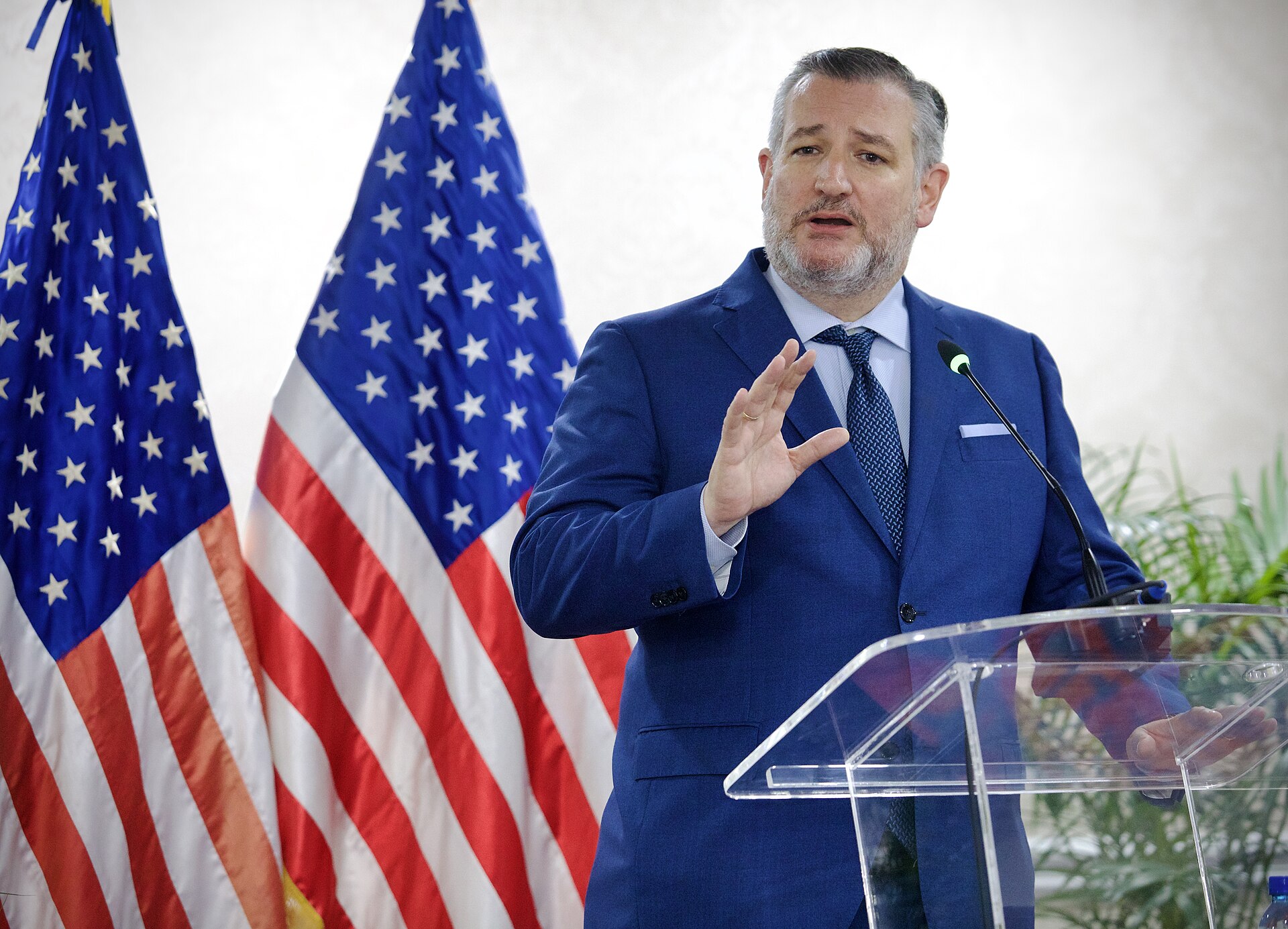
The core sales pitch is simple: put money in early, invest it over time and let compound growth do what it does best. For Republicans such as Cruz, that is not just a financial lesson. It is also an argument about ownership, markets and teaching young people to see themselves as investors.
The key detail is that these accounts are not the same thing as monthly Social Security checks. They are individual investment-style accounts, intended to grow over many years, while Social Security remains a broad federal insurance program funded mainly through payroll taxes.
Why Cruz is cheering it
Cruz’s own statement was unusually direct. His Senate office said that starting July 4, every newborn in America would have a Trump Account opened and seeded with $1,000. Cruz called it a way to create a new generation of capitalists who would experience the benefit of compound growth.
That language matters. Cruz is not pitching the accounts as a small children’s savings perk. He is presenting them as a cultural and political project: get families used to the idea that long-term wealth can come from investment ownership, not only wages, pensions or government benefits.
For supporters, that is the appeal. Many workers, especially part-time workers, self-employed people and those at small businesses, do not have easy access to employer retirement plans. A government-seeded account can sound like a practical nudge toward saving earlier.
For critics, Cruz’s enthusiasm is exactly what raises alarms. When a senior Republican links a child investment account to broader retirement debates, opponents hear an opening move toward shifting more retirement risk from government guarantees to individual market exposure.
The Social Security connection
Cruz’s comments land in a long-running argument over Social Security. Conservatives have often argued that younger workers should have more control over some retirement savings and more exposure to market growth. Democrats have generally warned that private accounts can introduce market risk into what is supposed to be a guaranteed benefit.
Trump accounts do not, by themselves, privatize Social Security. They do not replace payroll taxes. They do not rewrite the benefit formula. They also do not solve Social Security’s financing problem, which remains one of Washington’s most difficult political issues.
But Cruz’s framing makes the connection hard to miss. If millions of children grow up with accounts that show balances rising over time, supporters believe the public may become more comfortable with investment-based retirement policy. That could make future Social Security changes easier to sell.
That is why a seemingly modest $1,000 account has become controversial. The policy can be described as financial inclusion or as ideological groundwork, depending on who is talking.
Why the idea draws fire
There are several layers to the backlash. The most obvious is branding. Naming savings programs after a sitting president blurs the line between public policy and political marketing, especially when families may encounter the name through official government channels.
There is also an equity question. A $1,000 seed deposit helps, but families with more disposable income are better positioned to keep contributing. If account growth depends heavily on additional private contributions, the program could widen wealth gaps even while claiming to broaden participation.
Investment risk is another concern. Long time horizons can smooth out market swings, but they do not erase them. A child born before a strong market run could see a very different result than one whose account faces years of weak returns at the wrong time.
Supporters counter that the answer is not to avoid markets but to design the accounts carefully. Low-cost index-style options, transparency, contribution limits and simple rules could make the accounts less risky and less confusing than many private savings products already sold to families.
A separate TrumpIRA push
The Trump administration has also moved on a related retirement-savings front. A White House executive order titled Promoting Retirement-Savings Access for American Workers by Establishing TrumpIRA.gov directs the Treasury Department to create a website by January 1, 2027.
That site is supposed to help independent contractors, self-employed workers and others without employer-sponsored plans find high-quality, low-cost individual retirement accounts. The order says eligible workers could receive up to a $1,000 Federal Saver’s Match under SECURE 2.0 rules.
The White House order also lays out guardrails for listed IRA providers. It describes low-cost investment menus, expense ratios capped at .15 percent, and no minimum-contribution or balance requirements. Those details are meant to answer a real problem: many workers who need retirement access most are also the least likely to have a workplace plan.
Still, TrumpIRA.gov adds to the same controversy. Even if the underlying retirement tools are conventional IRAs, putting Trump’s name on a federal platform invites scrutiny over whether the government is informing the public or building a political brand into financial policy.
What remains unsettled
The biggest open question is implementation. Families would need clear rules on eligibility, investment choices, tax treatment, withdrawals and what happens when a child becomes an adult. Financial institutions would need standards that are tight enough to protect savers but broad enough to make the program workable.
There is also the matter of expectations. A $1,000 account can grow meaningfully over 18 years, especially with more contributions, but it is not a retirement plan by itself. It is a starting point, not a substitute for wages, workplace savings, emergency funds or Social Security.
The political question is larger. Cruz sees Trump accounts as a way to normalize compound growth and ownership. Critics see a program that could soften the ground for privatization arguments while leaving the hardest retirement-security problems untouched.
For now, the practical takeaway is clear: Trump accounts and TrumpIRA.gov are part of a broader Republican push to make private savings vehicles more central to retirement policy. The controversy is over whether that shift gives Americans more opportunity — or asks them to shoulder more risk.











Leave a Reply