
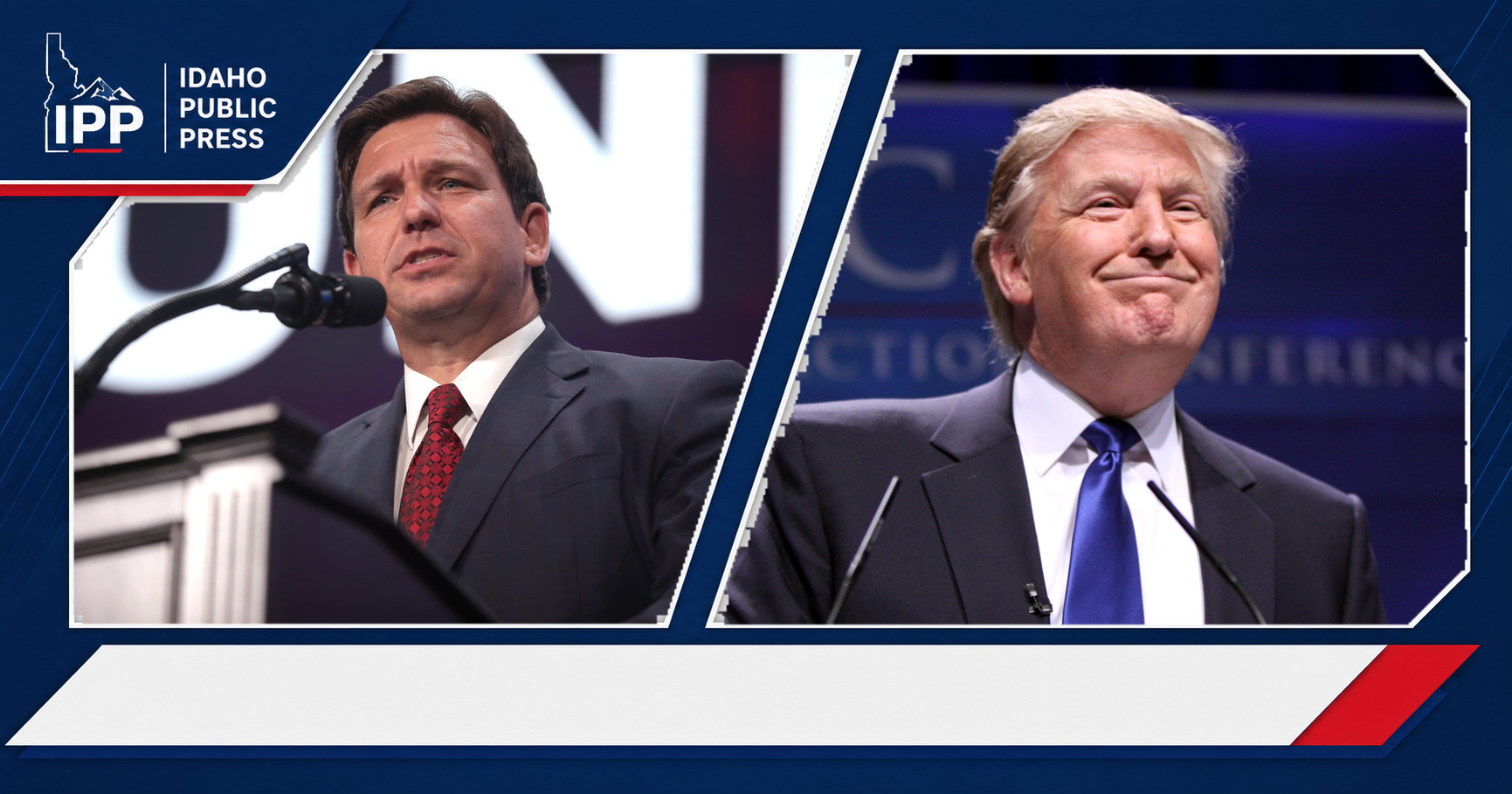
The Florida governor’s stance matters because election bills often rise or fall on state-level Republican muscle. His break with Trump turns a policy fight into a test of GOP power and strategy.
Ron DeSantis is opposing Donald Trump’s election overhaul bill, and the bill’s prospects are badly damaged after the Florida governor signaled on Thursday that he is not lining up behind Donald Trump’s push. The shorthand version — “Ron DeSantis signals” trouble, even “DeSantis signals death” for the measure — captures why this matters now: without Florida’s Republican governor, Trump’s election overhaul bill loses a powerful state-level validator.
The substance matters as much as the rivalry. Election overhaul bills are not just campaign slogans; they decide how people request mail ballots, use drop boxes, interact with poll observers and navigate rules that can shape turnout.
Why DeSantis matters here
DeSantis is not just another Republican voice in this fight. He governs Florida, a state that has become one of the party’s most important electoral laboratories and one of Trump’s most politically symbolic strongholds.
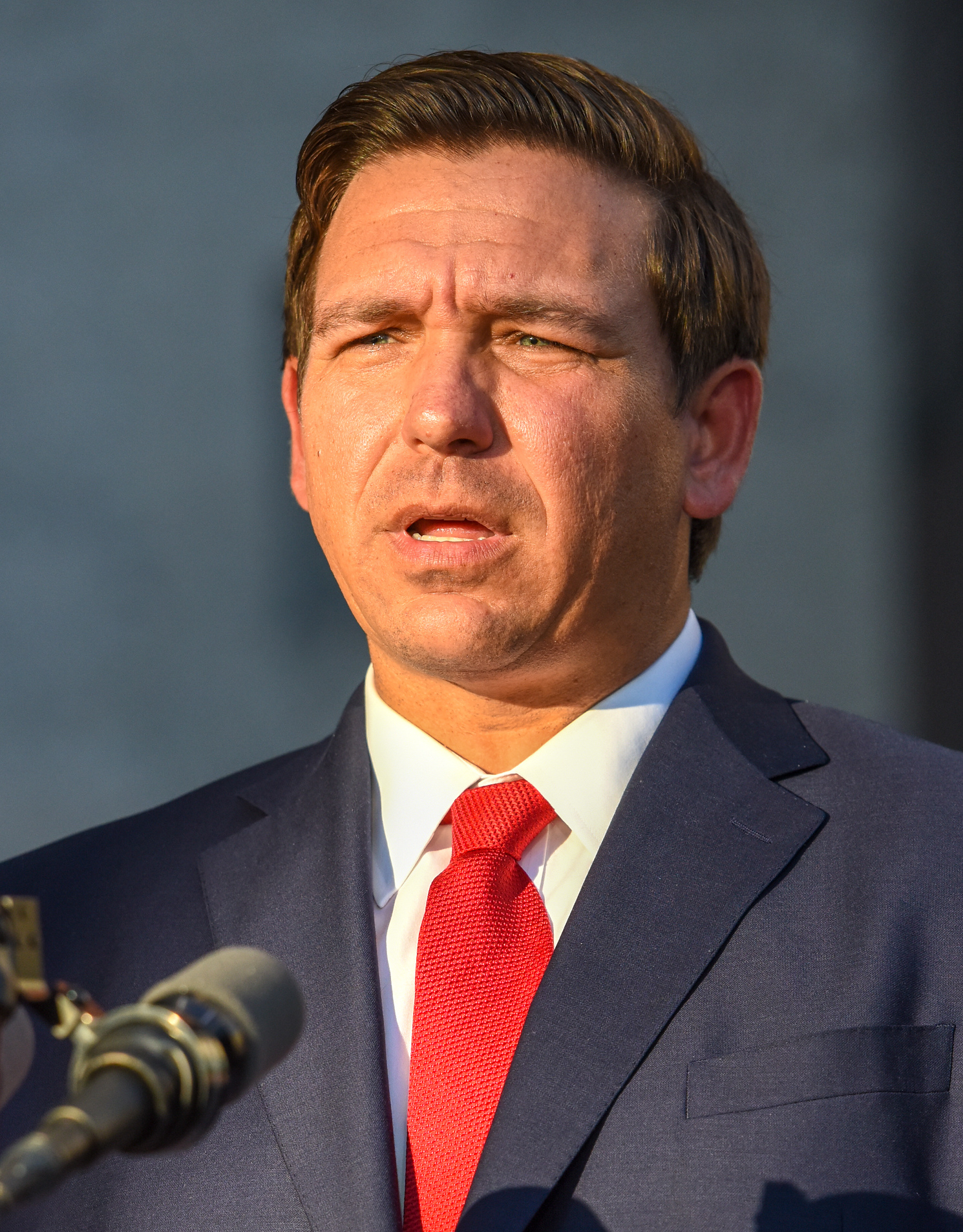
That is why his opposition lands with force. A Trump-backed election measure can survive criticism from Democrats. It can even survive warnings from voting-rights groups. It is much harder for it to survive a high-profile Republican governor signaling that he is not on board.
Florida’s role is central. The state is big, closely watched and politically influential. When its governor embraces an election model, other Republicans notice. When he resists one, that hesitation can give cover to lawmakers who were already uncertain.
The immediate question is whether DeSantis is objecting to the substance, the timing, the politics or the ownership of the proposal. The available reporting does not settle that. But the effect is clear: Trump’s election overhaul bill looks weaker because a governor with a record on voting legislation is not lending it his weight.
Florida’s voting-law template
Florida has been through this kind of fight before. In 2021, Republicans in the Florida Legislature passed a major election overhaul after the 2020 election, and DeSantis supported the effort. Reuters reported at the time that he signed a sweeping reform bill limiting mail-in voting and ballot drop boxes.
The New York Times described that Florida legislation as a significant voting-limit bill in a major swing state Trump had won. The measure included limits on drop boxes, added identification requirements for absentee ballot requests, and required voters to request absentee ballots for each election rather than remain on a standing request list.
It also limited who could collect and return ballots, expanded the role of partisan observers during ballot counting, and broadened restrictions on outside groups giving items to voters within 150 feet of polling places.
Those details help explain why DeSantis’s current posture is so consequential. He has not been a general opponent of Republican election restrictions. If he is resisting Trump’s bill, the split is likely about control, design, political risk or legal defensibility — not a sudden embrace of Democratic voting-rights arguments.
The Republican case and backlash
Republicans who backed Florida’s earlier overhaul argued that election rules needed to be more secure. That claim became a dominant theme in GOP-led states after 2020, even in places where officials had described the election as well run.
Democrats and voting-rights experts argued the opposite: that many of these measures make voting harder, especially for voters who rely on mail ballots, community ballot collection or flexible access points such as drop boxes. The New York Times noted that critics warned the Florida changes could disproportionately affect voters of color.
This is the central tension behind Trump’s election agenda. Supporters frame the bills as safeguards. Opponents see them as barriers. DeSantis’s opposition does not end that argument, but it scrambles the usual partisan lines because it comes from a Republican governor who has already used state power to tighten election rules.
That makes his stance more damaging than standard opposition. He cannot easily be dismissed by Trump allies as a Democrat, a liberal voting-rights group or an outside critic. He is part of the same Republican ecosystem that helped make election overhaul politics a national project.
Trump loses a useful contrast
Trump has long benefited when Republican officials compete to be seen as tougher on election rules. A governor such as DeSantis can help turn a proposal from a Trump demand into a broader Republican consensus.
If DeSantis refuses to play that role, Trump loses a useful contrast. Instead of presenting the bill as the next step in a conservative state-led movement, supporters have to explain why one of the most prominent Republican governors is not sold.
That matters for lawmakers who may prefer ambiguity. Election bills can be politically useful with a party base, but they can also invite lawsuits, corporate pressure, national backlash and administrative headaches for local election officials.
DeSantis’s signal gives skeptics room to wait. It also gives rivals room to argue that Trump’s approach is either too broad, too personal, too legally vulnerable or too tied to relitigating 2020 rather than managing future elections.
What remains uncertain
Several important facts still need sharper confirmation. The full text of Trump’s election overhaul bill, the exact mechanism for advancing it, and DeSantis’s detailed reasoning are not fully established in the available material.
That uncertainty matters. “Opposition” can mean different things in politics. It can be a hard no, a demand for changes, a jurisdictional objection or a negotiating posture. The difference determines whether the bill is dead, stalled or simply being rewritten.
There is also a wider question about whether DeSantis wants distance from Trump on election policy specifically, or whether this is part of a broader effort to avoid appearing subordinate to him. In Republican politics, election rules are policy, but they are also identity, loyalty and leverage.
For now, the practical effect is the same. Trump’s bill needs Republican alignment, and DeSantis has made that alignment harder.
The takeaway for voters
For voters, this is not just an insider feud. Election legislation can change ordinary voting habits: when mail ballots must be requested, where they can be returned, who can assist voters, how drop boxes operate and how much access partisan observers have during counting.
Florida’s earlier law showed how quickly those details can move from legislative language to real-world rules. A bill that sounds abstract can affect whether a voter must make a new absentee request, travel farther to return a ballot or deal with stricter documentation requirements.
DeSantis’s opposition weakens Trump’s election overhaul bill because it undercuts the Republican unity such measures often need. It also highlights a bigger fight inside the party: whether the next phase of election policy should be driven by Trump’s national agenda, by governors managing state systems, or by lawmakers wary of another polarizing voting battle.
The bill may not be finished. But the politics around it have changed, and DeSantis is the reason.











Leave a Reply