
The dispute is about more than energy cooperation. It tests how far Republicans will go with Trump on Saudi Arabia when nuclear safeguards and congressional approval are on the line.
A GOP senator is breaking ranks with Donald Trump over a Saudi nuclear deal, exposing a GOP split over whether Congress should approve nuclear energy cooperation with Saudi Arabia. The article explains the split over Trump’s Saudi nuclear policy: Reuters has reported that Trump plans to seek congressional approval for a Saudi Arabia nuclear energy pact that sources said lacks safeguards typically sought by nonproliferation advocates.
The fight matters now because a U.S.-Saudi nuclear agreement is not just another energy deal. It could let American companies help build Saudi Arabia’s civilian nuclear program while forcing Republicans to choose between loyalty to Trump and long-standing concerns about nuclear proliferation.
The break is about safeguards
The Republican dissent centers on what the agreement would allow, and what it may not prohibit. Civilian nuclear cooperation deals are meant to open the door for technology, fuel services and expertise, but they also carry a central risk: the same nuclear fuel cycle that can support power generation can, under different conditions, move a country closer to weapons capability.
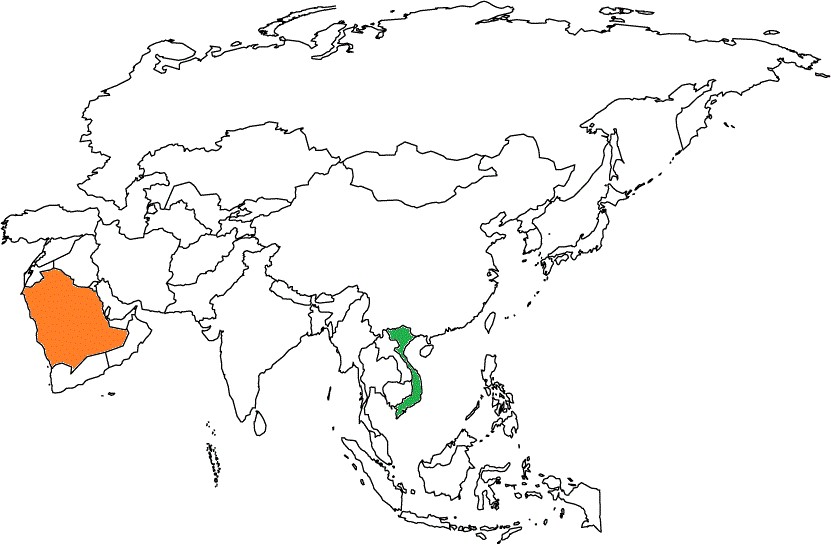
Reuters reported that the Trump administration intends to seek congressional approval for a pact with Saudi Arabia that sources said lacks certain safeguards. That wording is important. In Washington nuclear policy, safeguards are not a decorative add-on; they are the political and technical guardrails that make a deal acceptable to lawmakers who worry about proliferation.
The most sensitive issue is whether Saudi Arabia would be barred from enriching uranium or reprocessing spent fuel. Those restrictions have often been described by nonproliferation advocates as the strongest version of a civilian nuclear deal. Supporters of a looser framework argue that refusing Saudi demands could push Riyadh toward China, Russia or other suppliers with fewer conditions.
That is where the GOP split becomes politically sharp. A Republican senator can support Trump’s broader Middle East strategy and still object to a Saudi nuclear pact if the terms appear weaker than past U.S. standards.
Why Saudi Arabia wants it
Saudi Arabia has long said it wants nuclear energy for civilian purposes, including power generation and economic diversification. The kingdom is trying to reduce its dependence on oil revenue over time, even as it remains one of the world’s most influential petroleum powers.
For Riyadh, a U.S. deal offers more than reactors. It would signal strategic closeness to Washington, bring access to American nuclear companies and help elevate Saudi Arabia’s status as a regional power with advanced technology.
For Trump, the appeal is also clear. A nuclear cooperation pact could fit into a larger effort to deepen U.S.-Saudi ties, compete with Chinese and Russian influence, and potentially connect with wider Middle East diplomacy. American firms could benefit if the kingdom builds a major civilian nuclear program with U.S. participation.
The objection is that Saudi Arabia is not a routine partner in this field. Its regional rivalry with Iran, its human rights record and past statements by Saudi leaders about matching Iran’s nuclear capabilities have made lawmakers in both parties wary of giving Riyadh a pathway that could be seen as too permissive.
Congress gets a real say
U.S. nuclear cooperation agreements are not ordinary executive handshake deals. Under the Atomic Energy Act, major nuclear cooperation with another country generally requires a so-called 123 agreement, named for the section of the law that governs the process.
That process gives Congress a formal role. Lawmakers review the agreement, examine whether it meets statutory nonproliferation requirements and can try to stop or reshape it depending on the terms submitted by the administration.
The details matter because a pact that lacks key safeguards can face a tougher political path. If critics conclude that the administration is giving Saudi Arabia too much flexibility, they can turn the review into a public fight over nuclear risk, presidential judgment and U.S. priorities in the Middle East.
That is why one Republican break with Trump is not just symbolic. It gives other GOP lawmakers political cover to raise questions without appearing to side automatically with Democrats. In a closely watched foreign-policy dispute, a single defection can become a signal.
The GOP split Trump faces
Trump’s strongest position inside the Republican Party has often come from the assumption that GOP lawmakers will not want a sustained fight with him. Foreign policy can complicate that assumption, especially when national security hawks, noninterventionists and business-minded Republicans see different risks.
Some Republicans may view the Saudi pact as a strategic win. They can argue that Washington should not drive Saudi Arabia into the arms of rival powers, especially when the kingdom is central to energy markets, regional security and U.S. efforts to counter Iran.
Others may see the proposed deal as a dangerous concession. Their concern is not simply that Saudi Arabia would build nuclear power plants. It is that the United States might bless a framework that leaves Riyadh with future options Washington would later regret.
Democrats are likely to scrutinize the deal as well, but Republican opposition is more politically damaging for Trump. It turns the debate from a predictable partisan fight into a test of whether his own party will enforce limits on a high-stakes agreement.
Terms that will matter most
The full political battle will depend on the text Congress receives. Until lawmakers see the final language, much of the debate rests on reported outlines, administration arguments and warnings from critics.
The key questions are practical:
- Would Saudi Arabia be allowed to enrich uranium on its own soil?
- Would the pact restrict reprocessing of spent nuclear fuel?
- What inspection and monitoring commitments would apply?
- Could U.S. companies participate before every safeguard dispute is resolved?
- How easily could a future Saudi government change course?
Supporters will likely emphasize leverage. They may argue that a U.S.-approved framework gives Washington more influence over Saudi choices than standing outside the program while other countries step in.
Critics will answer that leverage only works if the rules are strong at the start. Once nuclear infrastructure, commercial contracts and diplomatic commitments are in motion, Congress may have less power to claw back concessions.
What remains unclear
The biggest unknown is the final bargain the Trump administration will actually send to Capitol Hill. Reuters reported the administration plans to seek congressional approval, but the exact text, side commitments and safeguards will determine how serious the resistance becomes.
It is also unclear whether the dissenting Republican senator is an isolated voice or the first visible sign of a broader GOP bloc. If more Republicans join, Trump may have to spend political capital on a deal that was supposed to showcase his foreign-policy dealmaking.
The Saudi side has its own calculations. Riyadh wants advanced nuclear cooperation but does not want to appear boxed in by conditions that regional rivals do not accept. That tension has haunted U.S.-Saudi nuclear talks for years.
The takeaway is simple: the proposed Saudi nuclear deal is becoming a loyalty test and a safeguards test at the same time. Trump may be able to sell Republicans on the strategic value of closer ties with Saudi Arabia, but he still has to convince enough of them that the nuclear terms are safe enough to approve.









Leave a Reply