
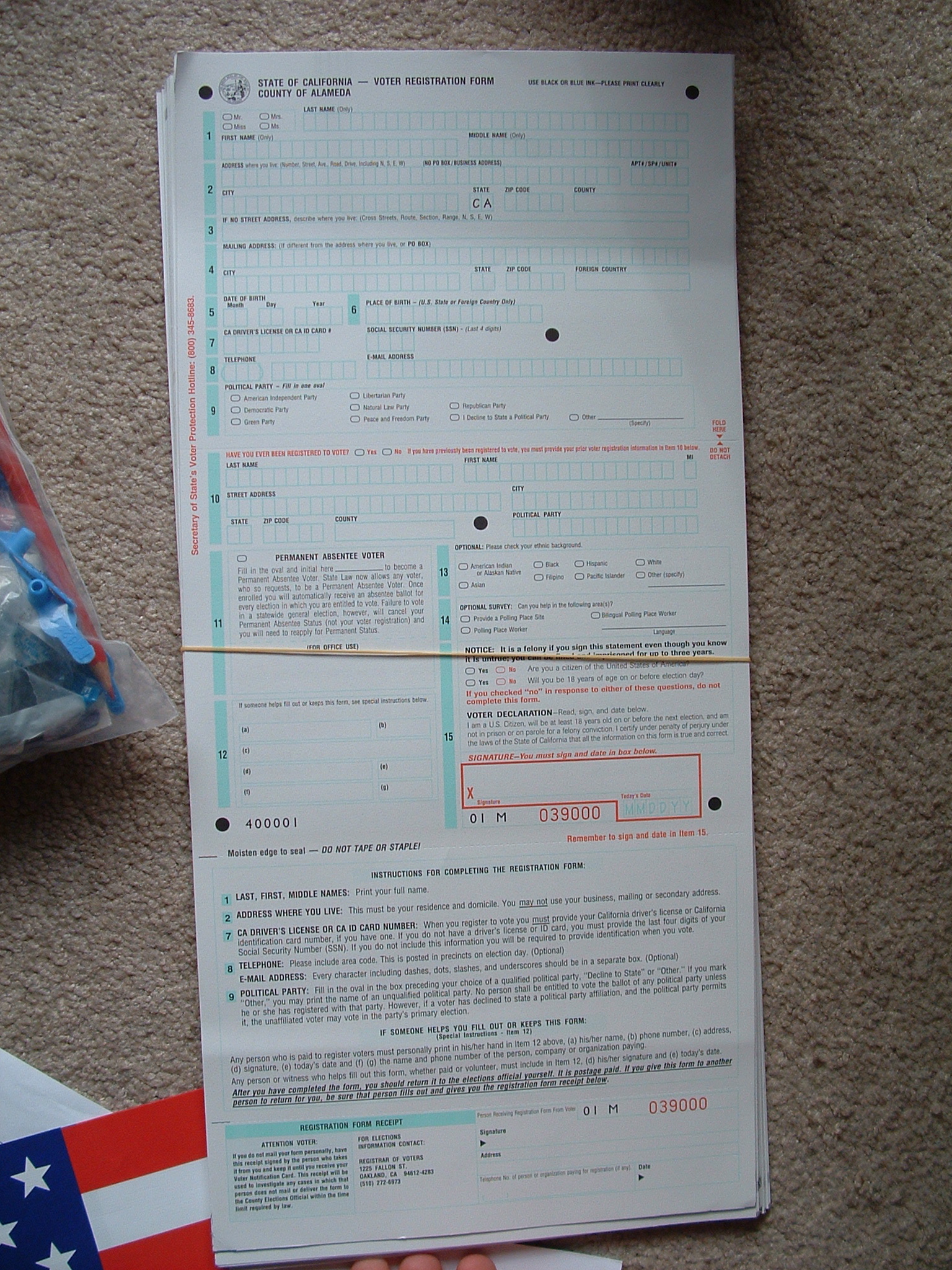
Investigators must determine whether the MVC-to-elections handoff failed because of vendor software or the state-approved workflow IDEMIA says it followed.
New Jersey’s voter-roll controversy now turns less on whether state officials found a serious eligibility problem than on how one motor-vehicle form sequence was handled. Gov. Mikie Sherrill said July 21 that as many as 6,600 non-U.S. citizens registered to vote in 2023 and 2024, and that fewer than 400 cast ballots.
IDEMIA, the contractor tied to New Jersey’s driver’s license system, disputes that a software flaw caused those records to enter the voter registration pipeline. USA TODAY reported July 24, 2026, with an update July 26, that the company says the state-approved design, not a contractor error, is the issue.
The question is where the handoff failed
The dispute is not only about a database count. It is about when an applicant’s answers should have stopped moving through the system.

Sherrill’s account is that people who said they were not U.S. citizens nevertheless became registered voters because of a software flaw. She said the affected names have been removed from the rolls and ordered an investigation into why the public was not told earlier.
IDEMIA’s account is different. The company says it collected and stored applicants’ self-reported answers under New Jersey’s specifications, but did not control whether anyone was ultimately enrolled to vote.
That leaves a narrow but consequential question: did the vendor’s software wrongly transmit ineligible records, as state officials allege, or did the state’s approved workflow allow those records to exist in a way that later created the voter-roll problem?
What Sherrill’s side says
Sherrill has blamed IDEMIA for releasing software with what she described as a glaring error. Her position is that a person who answered no to the citizenship question should not have continued toward voter registration.
A New Jersey state official with knowledge of the matter told USA TODAY anonymously because of the investigation that any record from a person who answered no to citizenship should not have been transmitted to the Division of Elections.
The governor has also called for scrutiny of the administration of her predecessor, Phil Murphy, a fellow Democrat. Sherrill said she first learned of the issue in July.
According to USA TODAY, the governor’s office declined to comment further while the investigation is underway.
What IDEMIA says
IDEMIA spokeswoman Lisa Shoemaker told USA TODAY that the characterization of a software glitch was inaccurate. The company’s stated position is that there was no software error.
According to IDEMIA, New Jersey’s process first asked applicants whether they wanted to register to vote, then asked whether they were U.S. citizens, and then asked for party affiliation only if they answered yes to citizenship.
The company says its software stored those responses in the Motor Vehicle Commission system and was not set up to send data to the Division of Elections. In IDEMIA’s telling, it followed written specifications that New Jersey tested and approved before the system went live in 2023.
IDEMIA also argues that the missing party affiliation data later flagged by election officials was consistent with that questionnaire design, because applicants who said they were not citizens were not asked to choose a party.
Why the numbers traveled beyond New Jersey
The case quickly became part of the national argument over noncitizen voting. Supporters of President Donald Trump have cited the New Jersey episode as evidence that voter registration systems are vulnerable and as support for the SAVE Act.
On July 24, Rep. Jeff Van Drew, a New Jersey Republican, led 18 House Republicans in demanding answers from Sherrill.
Democrats have rejected claims that the episode proves intentional election misconduct. Sherrill said the affected people who improperly cast ballots were registered across party lines, including Democrats, Republicans and unaffiliated voters.
She also said there was no evidence at the time that any election outcome was changed. That distinction matters: the state has described an eligibility failure, but the competing accounts do not establish intentional fraud.
What reviews still have to establish
USA TODAY reported that the Department of Justice announced an investigation into the incident. New Jersey’s own inquiry is also expected to examine how the issue was handled and why it was not disclosed earlier.
Investigators still need to pin down where the 6,600 records went, who had access to them, when officials knew there was a problem and how fewer than 400 people were able to cast ballots.
The timeline is central. USA TODAY reported that the New Jersey Division of Elections flagged the 6,600 files in June 2024 because they lacked political party affiliation. IDEMIA says that missing field reflected the state-approved question sequence.
For now, the public record leaves two sharply different explanations. Sherrill says a vendor software failure allowed ineligible people onto the rolls. IDEMIA says New Jersey’s own specifications created the conditions for the dispute. The investigations will have to show, step by step, which account fits the system’s actual handoff.







Leave a Reply