

The viral exchange is more than celebrity trivia. It shows how an accidental pronunciation helped create one of the most famous names in television.
Keke Palmer was surprised to learn Oprah Winfrey’s real name during the Tuesday, July 21 episode of Baby, This Is Keke Palmer: Oprah Winfrey, 72, revealed that her birth name is Orpah, not Oprah, and that the name comes from the Bible.
Palmer’s stunned follow-up — “It’s still on your birth certificate?” — turned a tiny spelling twist into the interview’s most shareable moment. It matters because one of the most recognizable names in media history appears to have been shaped less by strategy than by people repeatedly saying it wrong.
The surprise was one letter
On Palmer’s show, Winfrey confirmed that she was born Orpah, a name drawn from the Book of Ruth. She referenced “Ruth, first chapter, 14th verse” and said her name came from the story of Ruth and Naomi.
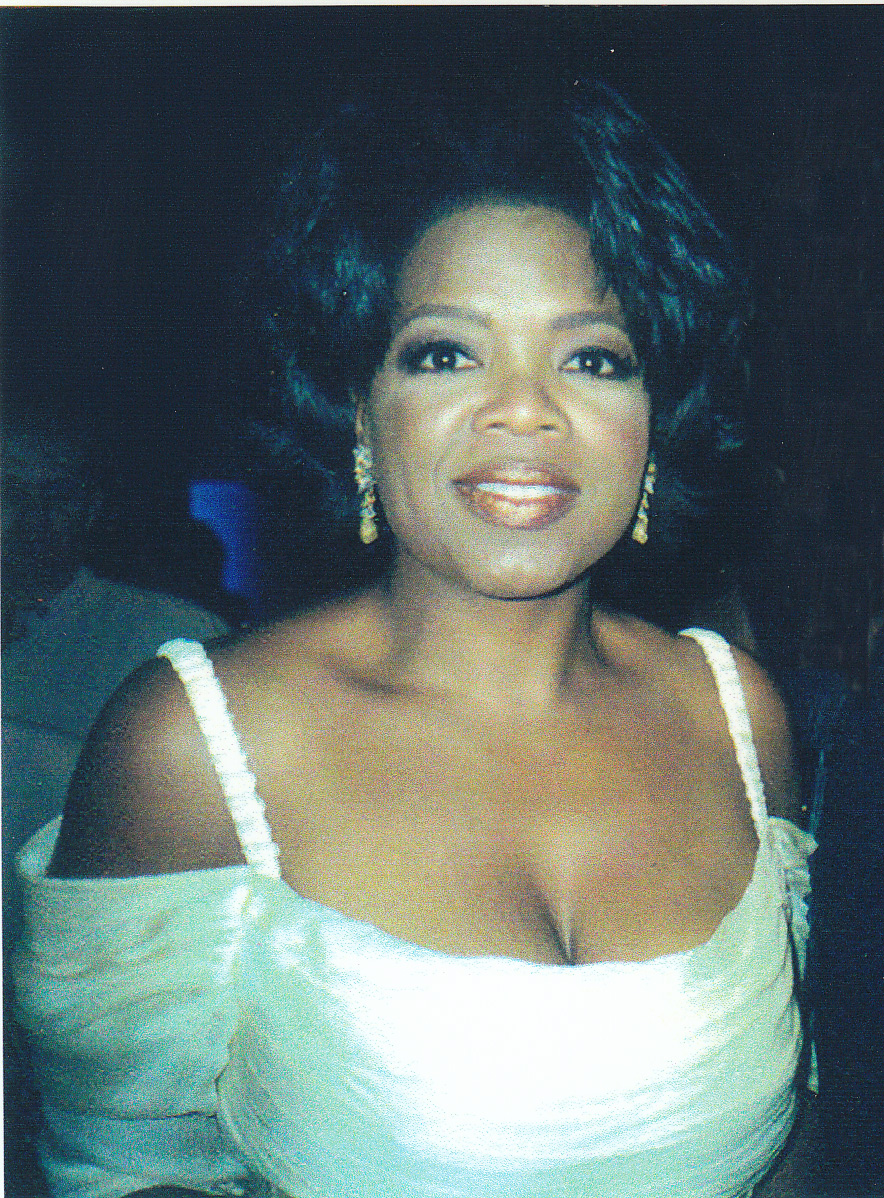
The difference is almost comically small: the “p” and the “r” trade places. Orpah became Oprah, not through a polished rebrand or a Hollywood reinvention, but because people around her struggled with the original spelling and pronunciation when she was a child.
According to Entertainment Weekly’s account of the exchange, Winfrey said her birth certificate says Orpah. Palmer, who had clearly expected the famous version to be official by now, pressed the point with disbelief.
That is the part that caught fire: not just that Oprah had another name, but that the name the world knows may not be the one printed on the document that started it all.
Orpah came from scripture
The biblical Orpah appears in the Book of Ruth, part of the story involving Naomi, Ruth and their family after loss and displacement. Orpah is one of Naomi’s daughters-in-law; Ruth stays with Naomi, while Orpah returns to her people after an emotional farewell.
Winfrey did not turn the moment into a lecture. She gave the basic origin, connected it to the Ruth and Naomi story, and moved on to the practical reason Oprah stuck: people could say it, remember it and repeat it.
That simplicity is part of why the story lands. “Oprah” feels so fixed now that it can be easy to forget it had to become fixed. It was not always a global shorthand for daytime television, book clubs, interviews, philanthropy and tearful celebrity confessionals.
Before it was a brand, it was a correction people did not keep making.
Why Palmer’s reaction worked
Palmer’s strength as an interviewer is that she often says the human part out loud. Here, she did not treat the reveal as a dry biographical footnote. She reacted the way many viewers likely did: wait, the Oprah Winfrey is technically Orpah on her birth certificate?
That kind of moment is tailor-made for short clips because it gives audiences three quick pleasures at once: a familiar celebrity, a surprising fact and a host who responds without pretending to be above the surprise.
Winfrey, for her part, handled it with the ease of someone who has told the story before but still understands why it feels new to others. She explained that she was a kid when people started calling her Oprah and that the swapped-letter version simply took over.
The exchange also shows why Palmer’s show has become a useful setting for celebrity conversations. The tone is casual enough to surface odd details, but not so loose that the guest loses control of the story.
A name became a media signature
Celebrity names often sound inevitable after years of repetition. Madonna. Beyoncé. Cher. Oprah. The shorter the name, the more it can feel like an institution rather than a person.
Winfrey’s story complicates that. “Oprah” was not a stage name created by a marketing team, at least not in the version she described to Palmer. It was a social correction that became permanent because everyone around her adopted it.
That matters because names do more than identify famous people. They carry tone. “Oprah” is now attached to a particular kind of authority: warm but commanding, intimate but enormous, personal but corporate. It is the name on a television empire, a magazine, a production company, a cable network, public events and countless cultural references.
“Orpah,” by contrast, sounds unfamiliar even when the same person is attached to it. The reaction proves how thoroughly the public version has displaced the birth version.
What the reveal does not settle
The interview makes one point clear: Winfrey said her birth certificate reads Orpah. It does not necessarily answer every legal or bureaucratic question about what name appears on every current record, nor did the exchange need to.
That distinction matters because “real name” stories can flatten identity into a gotcha. A birth certificate is important, but the name a person lives under, signs, builds with and answers to also becomes real through use.
Winfrey’s explanation suggests a more ordinary path: a child with an uncommon name, a community that kept flipping the letters, and a nickname or mispronunciation that hardened into identity over time.
There is also a cultural layer. Many people have names that get shortened, Anglicized, misspelled, mispronounced or quietly replaced because others find them difficult. Winfrey’s version is unusual only because the resulting name became one of the most famous in the world.
Another crack in Oprah mythology
The birth-name exchange arrived as Winfrey has been revisiting other pieces of her public past. In the same broader run of interviews, she has talked about the mechanics behind her famous 2004 audience car giveaway and laughed about the short-lived “Run On” theme from The Oprah Winfrey Show.
Those details work because they puncture the smoothness of a legend. The car giveaway, remembered as a spontaneous burst of televised generosity, had production logistics behind it. The theme song, remembered by some viewers and internet users with amusement, is something Winfrey herself has called one of her career mistakes.
The Orpah story fits that pattern. It is not scandalous. It is not dramatic. It is a reminder that even the most carefully remembered public figures are made up of accidents, awkward choices and old paperwork.
For Palmer, the moment offered an interviewer’s jackpot: a fact small enough to be funny, personal enough to feel fresh and iconic enough to travel.
The tiny detail that lasts
The reason this clip keeps attention is not simply that Keke Palmer was shocked. It is that Oprah Winfrey’s name feels bigger than a name. Learning that it began as Orpah, from the Bible, and shifted because people kept saying Oprah, gives the media icon a surprisingly human origin story.
It also reverses the usual celebrity-name narrative. Instead of a star changing a name to become famous, this is the story of a name changing around a person who would later become famous.
That is why Palmer’s birth-certificate question works so well. It cuts through decades of fame and lands on something basic: before the empire, before the interviews, before the book club and the audience giveaways, there was a child named Orpah whose name other people kept getting wrong.
Some mistakes disappear. This one became Oprah.






Leave a Reply