
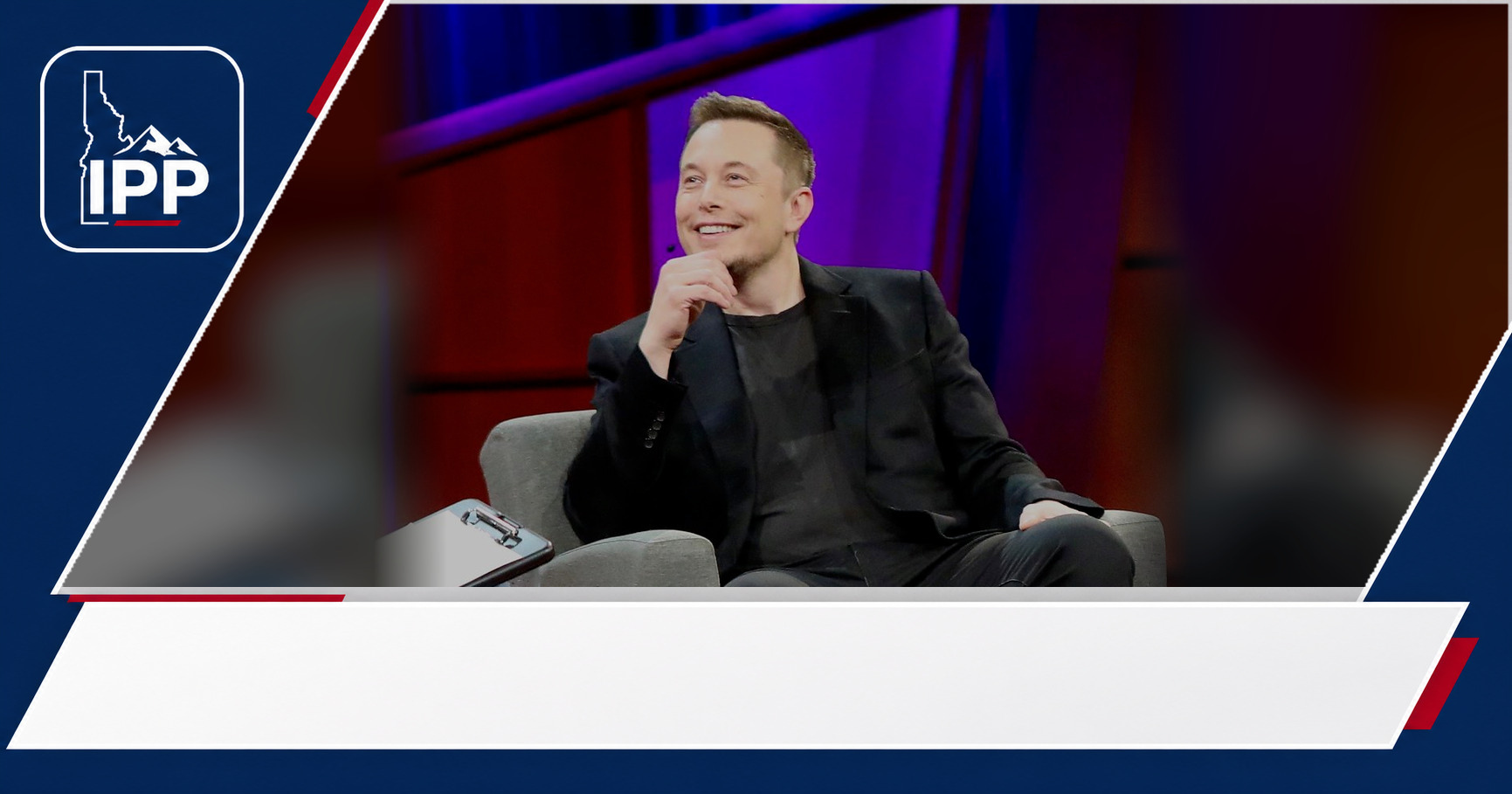
Tesla once benefited from Musk’s star power. Now the same visibility is complicating the company’s pitch to mainstream car buyers.
Elon Musk is losing influence or appeal in a way that now matters directly to Tesla. The electric-vehicle maker is suffering because of that: Musk’s politics and behavior are hurting Tesla’s brand and sales, turning what used to be a celebrity-founder advantage into a business problem.
The warning signs are no longer just social-media noise. AP reported that Tesla sales have plunged amid protests and boycotts tied to Musk’s embrace of far-right views, while profits had been sliced by two-thirds at the time of its report. Reuters has also reported steep Tesla registration drops in major European markets.
The Musk premium is fading
For years, Tesla had something legacy automakers could not buy: a founder whose personal brand made the company feel like a movement. Musk sold a future of electric cars, rockets, robotaxis and artificial intelligence with enough force that investors often treated Tesla less like an automaker and more like a technology platform.
That aura still matters. Musk remains central to Tesla’s identity, strategy and investor story. But the balance has shifted. The personality that once pulled attention toward Tesla is now pushing some would-be buyers away from the cars.
That is the core problem for Tesla: electric vehicles have moved from early adopters to mainstream shoppers. Mainstream shoppers compare prices, reliability, charging access, resale value and brand comfort. They are less likely to buy a car to participate in a founder’s vision, especially if that founder has become politically radioactive to them.
Politics meets the showroom
AP described the damage bluntly, reporting that protests and boycotts over Musk’s public embrace of far-right views coincided with plunging sales and a sharp profit hit. Analysts quoted by AP called the brand damage real, with Wedbush Securities analyst Dan Ives calling it a "full blown crisis" and JPMorgan warning of "unprecedented brand damage."
Musk has pushed back on the idea that politics is the main reason for Tesla’s softer results. On an investor call, according to AP, he pointed to the changeover of the Model Y, Tesla’s best-selling vehicle, saying factory shutdowns and buyers waiting for the refreshed model affected supply and demand.
That explanation is not trivial. Product cycles can distort quarterly numbers, and the Model Y is important enough to move Tesla’s whole sales picture. But it does not fully answer why Tesla has struggled even as the broader EV market in some key places continued to grow.
Reuters reported that Tesla registrations fell nearly 60% in Britain in July and more than 55% in Germany, while overall EV sales rose 9% in Britain and 58% in Germany. That contrast is why the brand question keeps coming back: if EV demand is growing but Tesla is shrinking, the issue is not simply that consumers have lost interest in electric cars.
Europe is the clearest warning
Europe has become a particularly uncomfortable test for Tesla because Musk’s politics have drawn visible backlash there. AP reported protests including anti-Musk posters in London, an effigy in Milan and imagery projected on a Tesla factory in Berlin after Musk supported far-right politicians in Europe.
Those episodes matter because Tesla’s brand used to travel well. It was associated with Silicon Valley ambition, clean technology and a status-symbol version of environmentalism. In parts of Europe, that identity is now colliding with Musk’s political visibility.
The sales figures underline the risk. AP reported that Tesla’s European sales fell 39% in the first three months of the year, with Germany down 62%. Reuters later reported steep July registration declines in Britain and Germany even as EV sales overall increased in both markets.
None of that proves every lost sale is a protest vote against Musk. Buyers may be waiting for new models, comparing discounts, or shifting to brands with fresher designs. But it does show that Tesla’s problem is happening in markets where competitors are gaining ground and Musk’s public persona has become part of the purchase calculation.
Rivals no longer look distant
Tesla is facing this brand strain at a tougher competitive moment. Chinese automaker BYD has been expanding aggressively, and AP noted that BYD announced battery technology it said could charge within minutes. European automakers are also offering more credible electric models with advanced features and familiar dealer networks.
In the U.S., Tesla’s lead has narrowed too. AP cited Cox Automotive data showing Tesla’s share of the EV market has dropped from about two-thirds to less than half. That is still a powerful position, but it is no longer the near-monopoly Tesla enjoyed when many shoppers treated a Tesla as the default electric choice.
The danger is not just losing sales today. It is losing the habit of being first in a buyer’s mind. Once shoppers begin cross-shopping Tesla against Hyundai, Kia, Ford, BMW, Mercedes, Volkswagen, BYD or other EV brands, Tesla has to win on the normal terms of the car business.
That means design, price, quality, service and trust. Musk can still excite investors with visions of autonomy and robots, but a family choosing a crossover may care more about monthly payments, local service appointments and whether they feel comfortable being seen in the badge.
The robotaxi bet cuts both ways
Musk’s strongest counterargument is that Tesla should not be judged as a conventional automaker. He has repeatedly argued that autonomy, software and future services will define the company’s value. AP reported that he stuck with predictions for driverless cabs in Austin and said millions of Teslas could operate autonomously through software updates.
That promise is central to Tesla’s valuation story. If Tesla can turn cars already on the road into self-driving revenue-generating assets, weak car sales might look less threatening. The company would be selling a future transportation network, not just vehicles.
But the credibility challenge is obvious. AP noted that Musk has made similar full-automation predictions before and missed them, including a 2019 pledge about full automation by the end of the following year. Federal safety scrutiny of Tesla’s driver-assistance systems also remains a hurdle, according to AP.
Meanwhile, Alphabet’s Waymo has already logged millions of driverless trips in cities including San Francisco, Phoenix, Los Angeles and Austin, AP reported. Tesla may still have advantages in scale and data, but it is no longer enough for Musk to say the future is coming. Investors and customers increasingly want proof.
Tesla still has real strengths
The case against Tesla should not be overstated. The company remains one of the world’s best-known EV brands, has major manufacturing capacity and still benefits from a charging network that helped define the modern electric-car market.
AP also reported several positives: Tesla said a cheaper version of the Model Y would be ready for customers in the first half of the year, its energy storage business had a strong first quarter, and Musk argued that Tesla’s localized supply chains put it in a stronger position on tariffs than some competitors.
Those strengths could soften the blow if refreshed models and lower prices bring buyers back. Musk also told investors he would scale back his government cost-cutting work in Washington to a "day or two per week" and focus more on Tesla, AP reported. The stock rose after that signal, suggesting investors still see value in a more Tesla-focused Musk.
But that reaction also reveals the bind. Tesla’s market value still depends heavily on Musk’s involvement, while its consumer brand may be hurt by Musk’s visibility. The company needs him to sell the future, yet some customers appear less willing to buy the car because of him.
The unanswered brand question
The big uncertainty is whether Tesla’s brand damage is temporary or structural. A product refresh, lower financing costs, cheaper trims or a successful robotaxi launch could change the story quickly. So could a quieter Musk.
But if the damage reflects a deeper shift in how consumers see Tesla, the repair job will be harder. Car brands are emotional. Once a badge becomes politically coded, buyers who might otherwise like the product can decide the social signal is not worth it.
That is why Musk losing some of his magic matters. It is not about whether he can still dominate attention. He can. The problem is that attention is no longer automatically good for Tesla.
Tesla’s next phase may depend on something less dramatic than a moonshot: convincing ordinary buyers that the cars stand on their own, even when the founder does not.




Leave a Reply