
The vessel’s reported fuel bill was already drawing attention. Its timing in Seattle turned a luxury sighting into a sharper conversation about layoffs, emissions and executive optics.
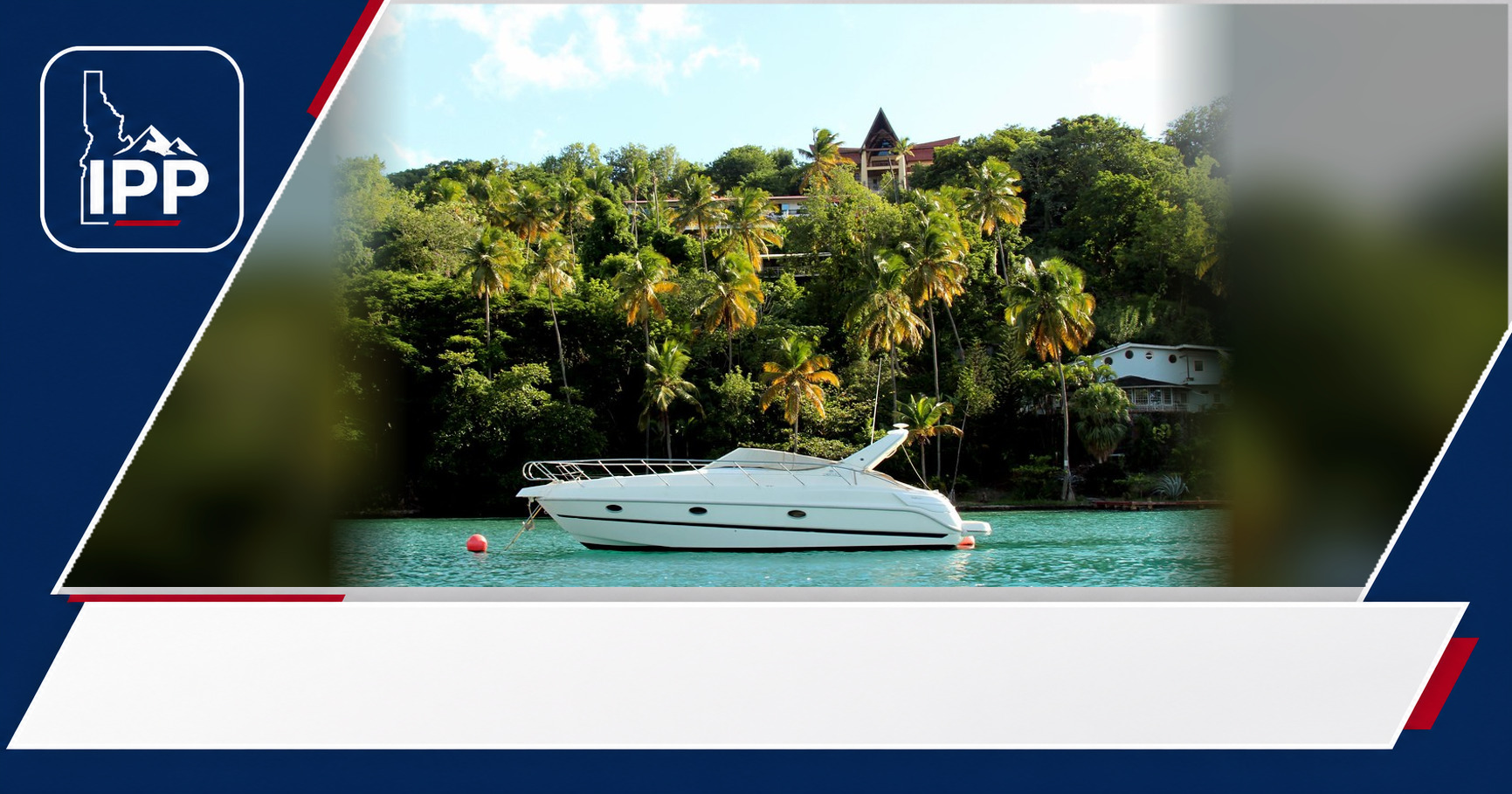
Mark Zuckerberg’s superyacht burned $6.5 million in fuel before arriving in Seattle on Tuesday, the same day Meta announced about 1,400 layoffs affecting the area. The 387-foot Feadship-built vessel, often described as nearly 390 feet long, passed through the Ballard Locks into Lake Union in Washington state, a King County arrival that turned a luxury sighting into a corporate-optics problem.
The timing matters because it fused two stories that usually live apart: the private scale of billionaire wealth and the public pain of tech job cuts. The yacht did not cause the layoffs. But as an image, it was hard to miss.
A luxury arrival meets job cuts
The vessel, Launchpad, has been widely reported as Zuckerberg’s superyacht. According to The Cool Down, it entered Seattle’s Lake Union via the Ballard Locks on the same day Meta announced roughly 1,400 local layoffs.
That kind of coincidence is exactly how a local sighting becomes a national talking point. A yacht of that size is already spectacle. Add a layoff notice from one of the world’s most valuable tech companies, and the sight becomes a symbol people can instantly understand.
Seattle is not just another port in this story. Meta has a major presence in Washington state, and King County has long been part of the tech industry’s employment map. When cuts hit there, the impact is not abstract; it lands in households, commutes and local spending.
There is no evidence that Zuckerberg’s yacht trip was connected to Meta’s layoff decision, and corporate staffing cuts are typically planned long before they become public. The issue is not causation. It is contrast.
The fuel estimate behind the backlash
The $6.5 million figure comes from estimates reported by Luxury Launches and cited by The Cool Down. Luxury Launches said it used AIS tracking data and reporting from Il Messaggero to trace nearly 100,000 kilometers, or about 62,000 miles, of travel after Zuckerberg took delivery of Launchpad in early 2024.
Over that distance, the yacht was estimated to have burned about 5.3 million liters of diesel, roughly 1.4 million gallons. The estimated fuel spending was placed at about €5.7 million, or about $6.5 million.
Those are not small rounding errors in a household budget. They are numbers large enough to make a private yacht feel like a floating industrial operation, especially when placed beside layoffs measured in human jobs rather than fuel tanks.
The same reporting estimated the emissions from that fuel use at around 14,300 tonnes of carbon dioxide. The Cool Down compared that to the annual carbon footprint of about 813 Americans, underscoring why the story spread beyond celebrity wealth watchers and into climate circles.
Why this image stuck
Big yachts have always been shorthand for wealth. This one arrived at a moment when tech workers, especially in expensive metro areas, have become used to instability after years of hiring booms, restructuring rounds and artificial-intelligence spending shifts.
For supporters of the billionaire class, the answer may be simple: Zuckerberg is a private individual who can spend his money as he chooses, and a yacht’s movements should not be treated as a referendum on every Meta business decision. That argument has force, especially when the reporting does not show any operational link between the vessel and the layoffs.
The opposing view is just as easy to understand. Executives who lead enormous companies are never entirely private figures. Their choices carry reputational weight, particularly when employees are losing paychecks and communities are absorbing the shock.
That is why the Seattle timing hit a nerve. It compressed inequality, corporate austerity and climate anxiety into one visible scene: a nearly 390-foot luxury vessel sliding into Lake Union while layoff news circulated on land.
Meta’s climate promises add pressure
The climate angle makes the optics tougher for Meta. The company has said it aims to reach net-zero emissions across its value chain by 2030. At the same time, The Cool Down cited figures showing Meta’s net emissions in 2024 were about 8.2 million tonnes of carbon dioxide equivalent.
Private yacht emissions are not the same as Meta’s corporate footprint, and they should not be counted as if they came from the company’s data centers or offices. Still, the public rarely separates those categories cleanly when the person involved is the founder and chief executive of the company.
That is especially true as data centers, cloud computing and AI infrastructure face increasing scrutiny over electricity use. The Cool Down also cited shareholder advocacy group As You Sow as saying emissions from Meta’s data-center energy use have risen 223% since 2019.
For climate advocates, the yacht becomes more than a celebrity toy. It becomes an example of how a small number of ultra-wealthy people can produce emissions on a scale far beyond ordinary households, even as consumers are urged to conserve energy, drive less and make cleaner choices.
The layoff context cuts deeper
Layoffs are not just numbers in a company filing. About 1,400 local job cuts mean workers looking for new roles, families reassessing budgets and a region recalculating its dependence on large tech employers.
Meta may argue, as many tech companies do, that staffing changes are needed to match priorities, control costs or shift investment toward new products. That explanation can be true and still feel cold to workers watching executive wealth remain untouched.
The yacht’s reported features sharpen that divide. Launchpad is said to include guest cabins, a large crew, wellness and fitness areas, a beach club, a swimming pool, a hot tub, a movie room and a helipad housed in an enclosed hangar.
None of those amenities are inherently newsworthy on their own in the world of superyachts. They become newsworthy when they arrive in the same frame as layoffs, climate pledges and a city full of people who understand exactly how expensive it is to lose a job in the Seattle area.
What remains unanswered
Several things remain unclear. Public reporting does not establish who was aboard the yacht when it arrived in Seattle, whether Zuckerberg was present, or what the purpose of the stop was. Fuel and emissions figures are estimates based on tracking and reported assumptions, not a public operating statement from the vessel’s owner.
Meta also has not been shown to have coordinated the yacht’s timing with its layoff announcement. Treating the two events as morally linked is different from proving they were operationally linked.
But public perception often moves faster than formal proof. A company can meet disclosure rules, a yacht can follow a normal itinerary, and the resulting image can still be damaging.
The takeaway is not that one boat explains Meta’s layoffs or climate footprint. It is that executive symbolism has become harder to control. In an era of job insecurity, climate pressure and real-time tracking, a superyacht arriving in Seattle on layoff day was never going to look like just another docking.










Leave a Reply