
The change affects F, J and I visa holders and could reshape planning for universities, news organizations and people already in the United States. DHS says the rule adds oversight; critics warn it gives the government more leverage over journalists and students.
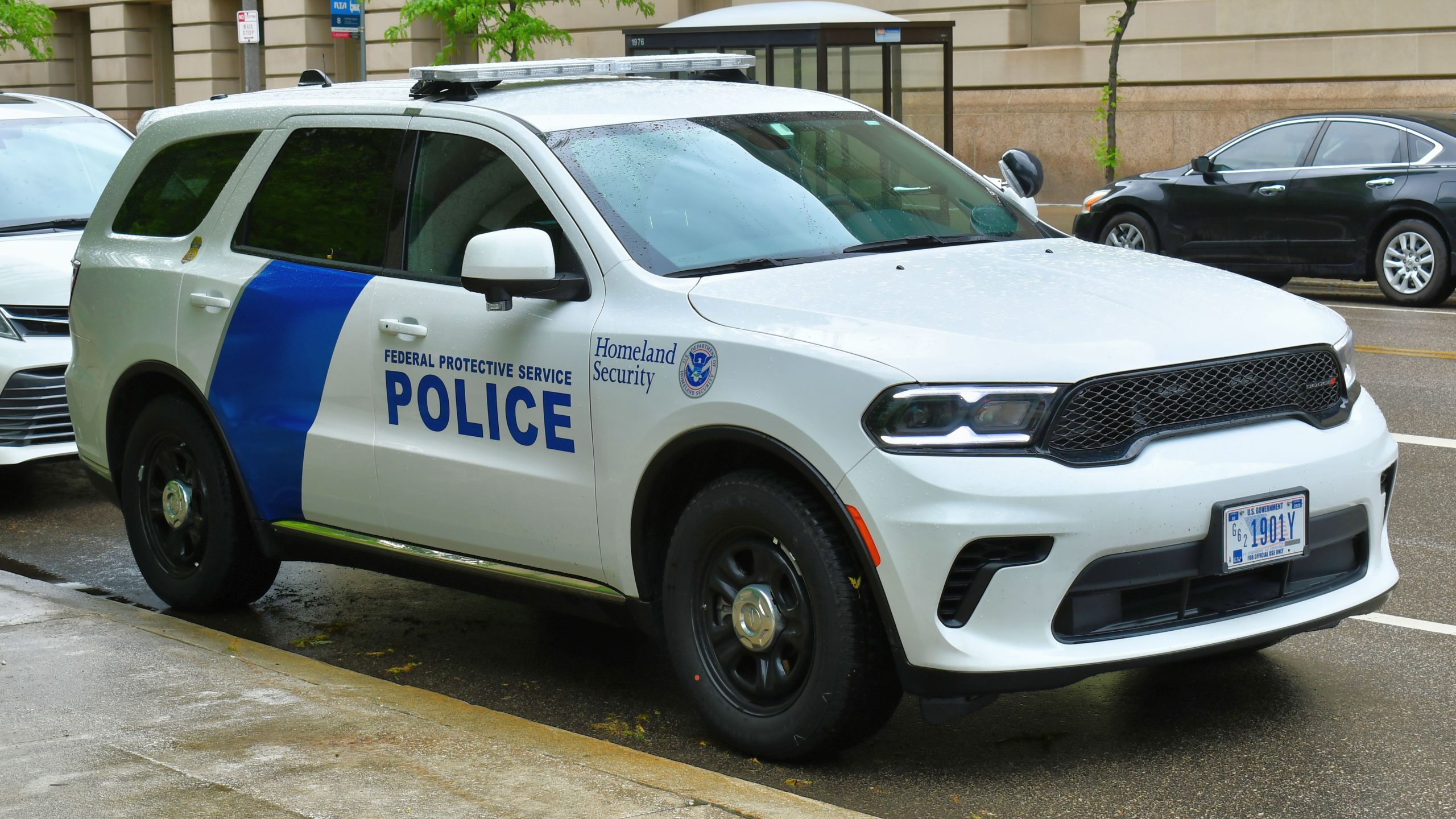
The Trump administration has imposed new limits on foreign journalists’ and international students’ visas, with a Department of Homeland Security final rule announced July 16, 2026. The new rule affects foreign students and journalists in the United States, and the policy takes effect in September. In practice, the Trump administration caps many student and exchange stays at the length of a program, up to four years, while setting fixed deadlines for foreign media visas.
That is a sharp break from a long-standing visa practice that allowed many students, exchange visitors and foreign journalists to remain for the duration of their studies or assignments. DHS says the change closes an oversight gap; critics say it could create new pressure points for universities, newsrooms and visa holders who need more time.
The visa categories affected
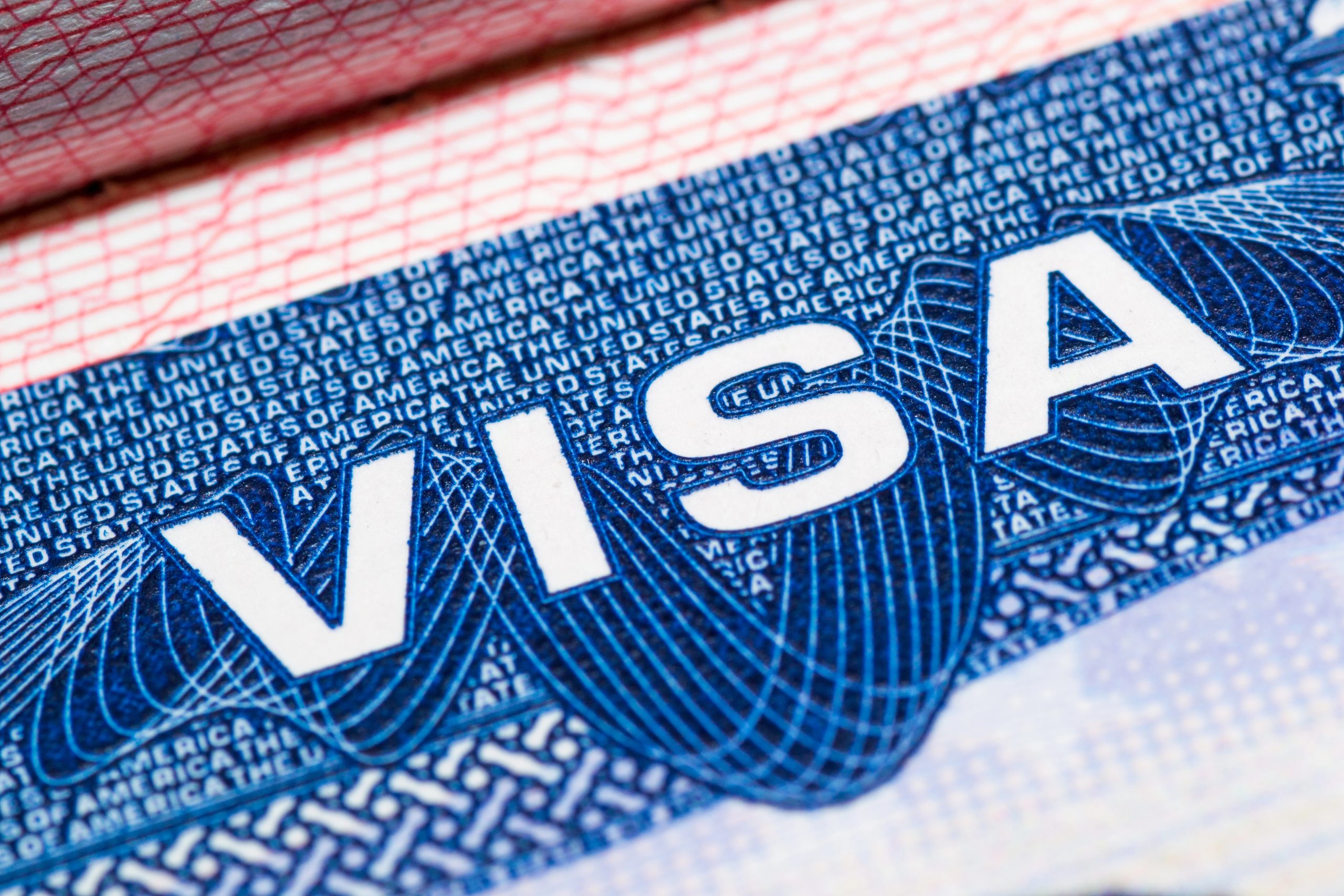
The rule focuses on three nonimmigrant visa categories that bring students, cultural exchange participants and journalists into the United States. They are not all used the same way, but they have shared one important feature: many holders were allowed to stay as long as they continued the qualifying activity.
- F visas: used by international students enrolled in U.S. academic programs.
- J visas: used by exchange visitors in educational, cultural and professional programs.
- I visas: used by foreign journalists and other representatives of foreign media.
DHS has described the previous approach as a “duration of status” system. Under that framework, a person’s authorized stay was tied to maintaining student, exchange or media status rather than a fixed expiration date printed as the outside limit for the stay.
The administration argues that this left too many people in the country without regular federal review. The new system replaces that open-ended structure with firm time periods and requires people who need more time to seek approval.
Students face a four-year ceiling
For international students and exchange visitors, the biggest practical change is the move away from open-ended authorization. Under the new rule, stays are limited to the length of the program, with a maximum of four years.
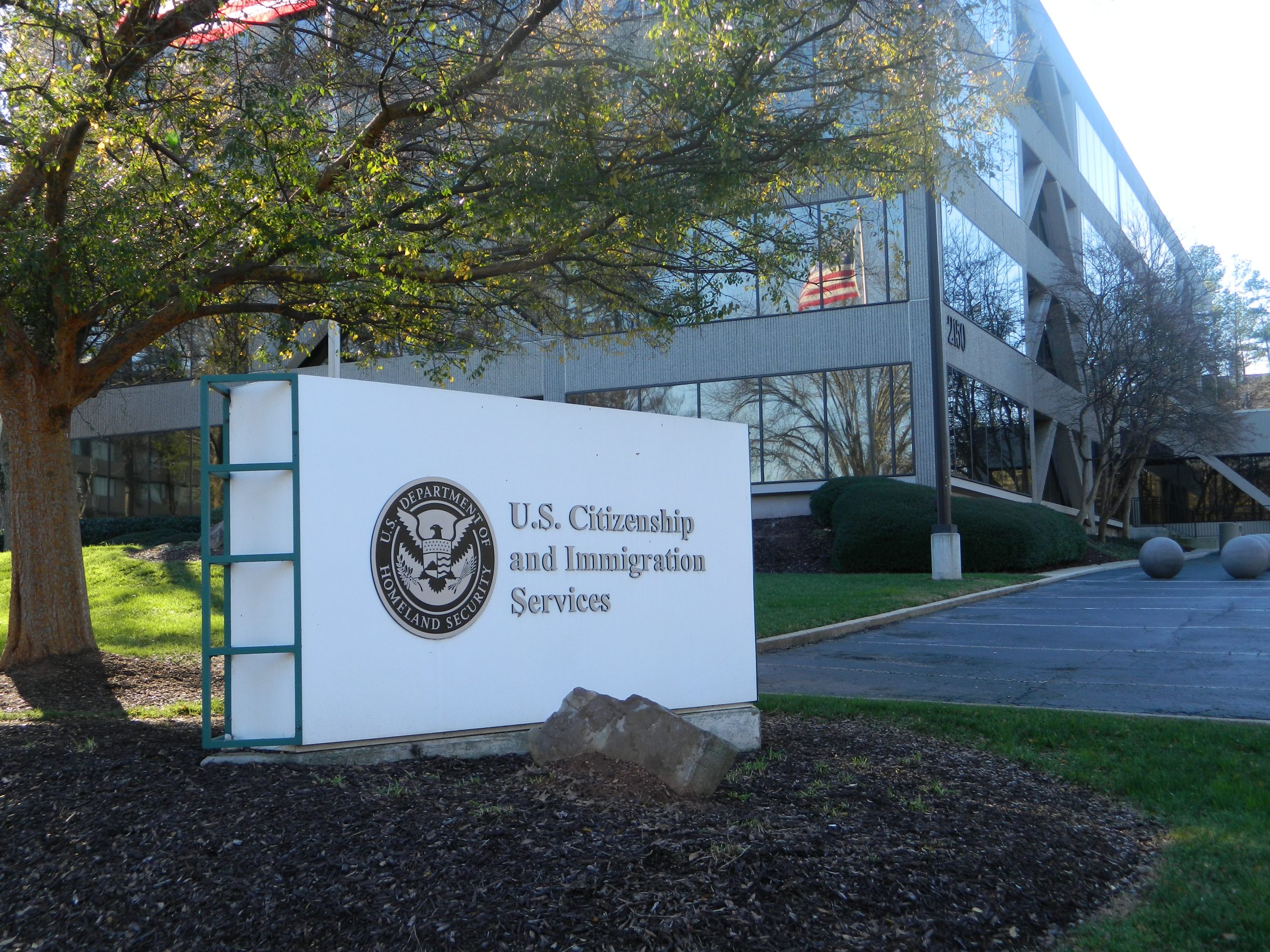
That does not mean every student must leave after four years no matter what. It does mean students who need extra time to finish a degree, continue research or complete an eligible program will have to apply to U.S. Citizenship and Immigration Services for an extension.
Those extension requests will bring additional review, including background checks, biometric screening and fraud checks, according to DHS materials described in the reporting. For students in long doctoral programs, interrupted research paths or programs with required clinical work, the timing could matter as much as the rule itself.
The rule also shortens the post-completion grace period for F-1 students from 60 days to 30 days. That smaller window could affect travel plans, job-search logistics and the transition out of a program, especially for students who already face tight immigration deadlines after graduation.
Journalists get shorter windows
The limits for foreign media workers are much shorter. Foreign journalists holding I visas will be limited to 240-day stays under the new rule. Journalists from China will be limited to 90 days.
At present, foreign journalists generally can remain in the United States for the length of their assignment if they continue to qualify. The new policy changes that into a recurring renewal process for journalists who need to stay beyond the initial period.
That distinction is why press freedom advocates are paying close attention. Gabe Rottman, vice president of policy at the Reporters Committee for Freedom of the Press, warned in a statement that the rule risks giving the government a way to decline renewal in retaliation for coverage officials view as critical.
DHS frames the change differently, as a routine check on a temporary visa category. The tension is clear: one side sees overdue oversight, while the other sees government discretion over whether foreign reporters can continue working in the country.
DHS frames it as oversight
The administration’s case rests on national security, immigration enforcement and fraud prevention. DHS says the old duration-of-status model allowed some visa holders to remain in the United States for long periods without the kind of periodic review attached to many other visa categories.
DHS Secretary Markwayne Mullin said in the agency’s announcement that the nearly half-century-old system had compromised national security and created conditions for immigration fraud. The rule is part of a broader Trump administration push to tighten immigration controls through narrower timelines and more federal review points.
Supporters of the policy are likely to argue that fixed end dates make the system easier to monitor and harder to abuse. They may also contend that students and journalists who continue to qualify can still seek extensions rather than losing access entirely.
The counterargument is that requiring more applications does not automatically produce better oversight. It can also produce delays, uncertainty and more discretionary power for agencies that already face large caseloads.
Universities and newsrooms feel it
The impact could be broad even if the rule targets specific visa categories. The policy will affect roughly 1.2 million foreign students and about 1,500 foreign journalists in the United States, according to figures cited from the Migration Policy Institute and the U.S. State Department.
Universities may have to spend more time advising students on extension deadlines, program lengths and grace periods. A four-year cap can be especially complicated in graduate programs, where research timelines depend on funding, lab access, fieldwork, adviser availability and publication schedules.
Students already in the United States under the prior framework are expected to transition into the new system. According to DHS, their authorized stay will be capped at four years from the rule’s effective date, unless they secure approval for more time.
News organizations face a different version of the same problem. A foreign bureau assignment often depends on elections, court cases, diplomatic developments, disasters or wars that do not fit neatly into a 240-day window. More frequent renewals could become a cost of maintaining U.S.-based coverage.
The implementation questions ahead
The rule is scheduled to take effect 60 days after publication in the Federal Register, putting the start of the new restrictions in September. The immediate question is how smoothly USCIS and other federal agencies can handle added extension requests once the rule is active.
Several practical details will matter: how quickly extensions are processed, what evidence applicants must provide, how current visa holders are notified and whether backlogs leave people in limbo while requests are pending. Those answers will determine whether the rule is mostly an administrative burden or a major disruption.
There is also the question of how consistently renewals will be handled. For students, denials could derail degrees or research projects. For journalists, denials could affect who is able to report from inside the United States and for how long.
The clean takeaway is that the policy changes the default. Foreign students, exchange visitors and journalists no longer get the same open-ended runway tied to their program or assignment. They now face a clock, and in many cases, a federal review before they can keep going.

Leave a Reply