
The clash shows how a traditional night of press jokes turned into another flashpoint over Trump’s attacks on critics, journalists and political opponents.
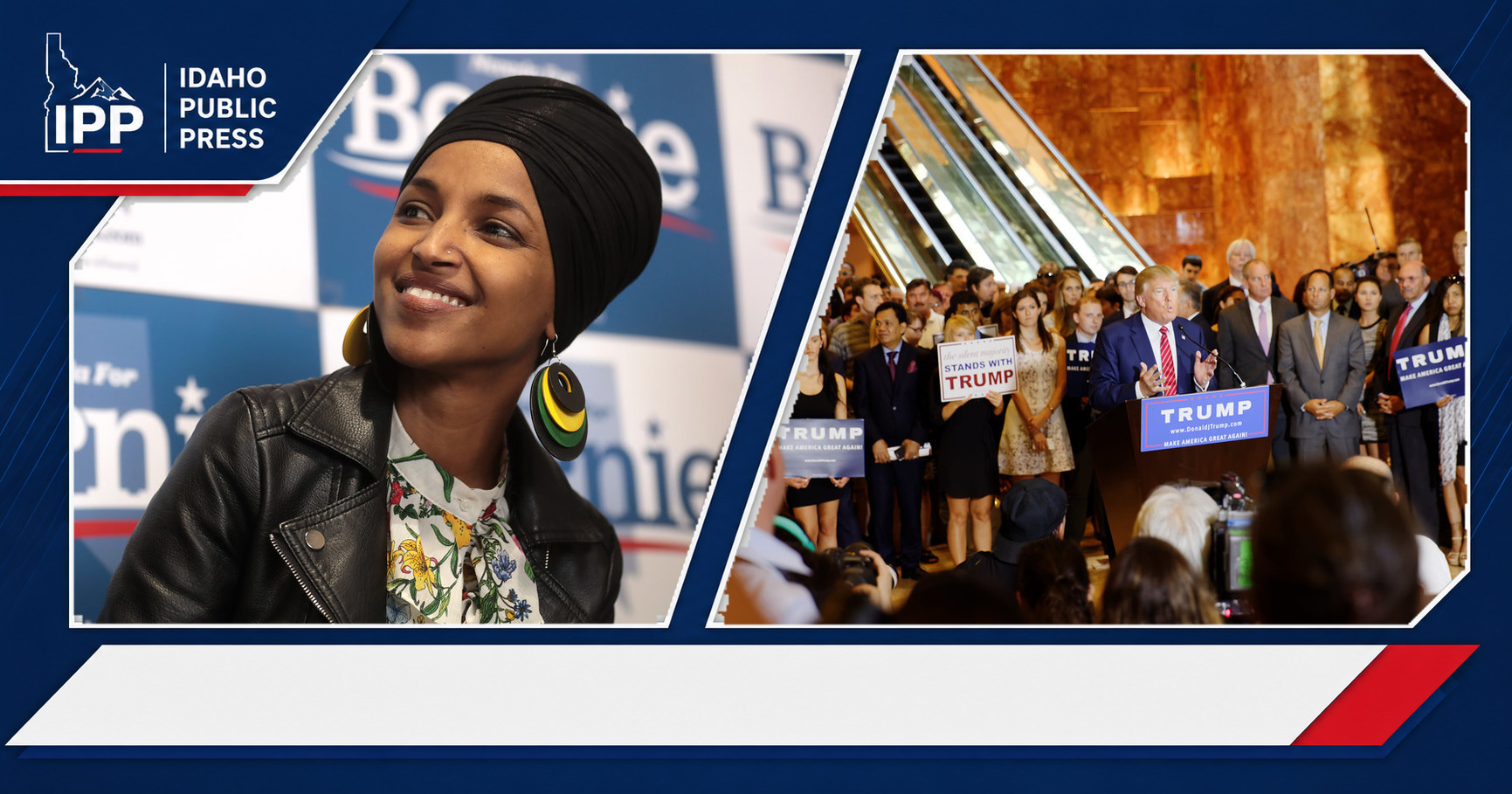
Ilhan Omar responded to Donald Trump after Trump’s White House Correspondents’ Dinner remarks in Washington, D.C., with a sharp 3-sentence criticism that HuffPost framed as Omar hitting back at an “idiot” Trump. The exchange matters because the White House Correspondents’ Association dinner, usually a ritual of political roasting and press awards, became a showcase for Trump’s rambling, insult-heavy hourlong speech, according to AP, including a jab at Omar and quips about a third presidential term.
Omar’s sharp criticism of Trump stood out because it was brief, direct and built for the political internet. Trump had taken the long route: an appearance that mixed media grievance, stand-up-style riffs, personal insults and a few moments of ceremony at a rescheduled dinner already shadowed by security concerns.
A short reply to a long night
The most striking part of the Omar-Trump exchange is the imbalance in scale. Trump spoke for just over an hour, AP reported. Omar’s response, as described by HuffPost, ran only three sentences.
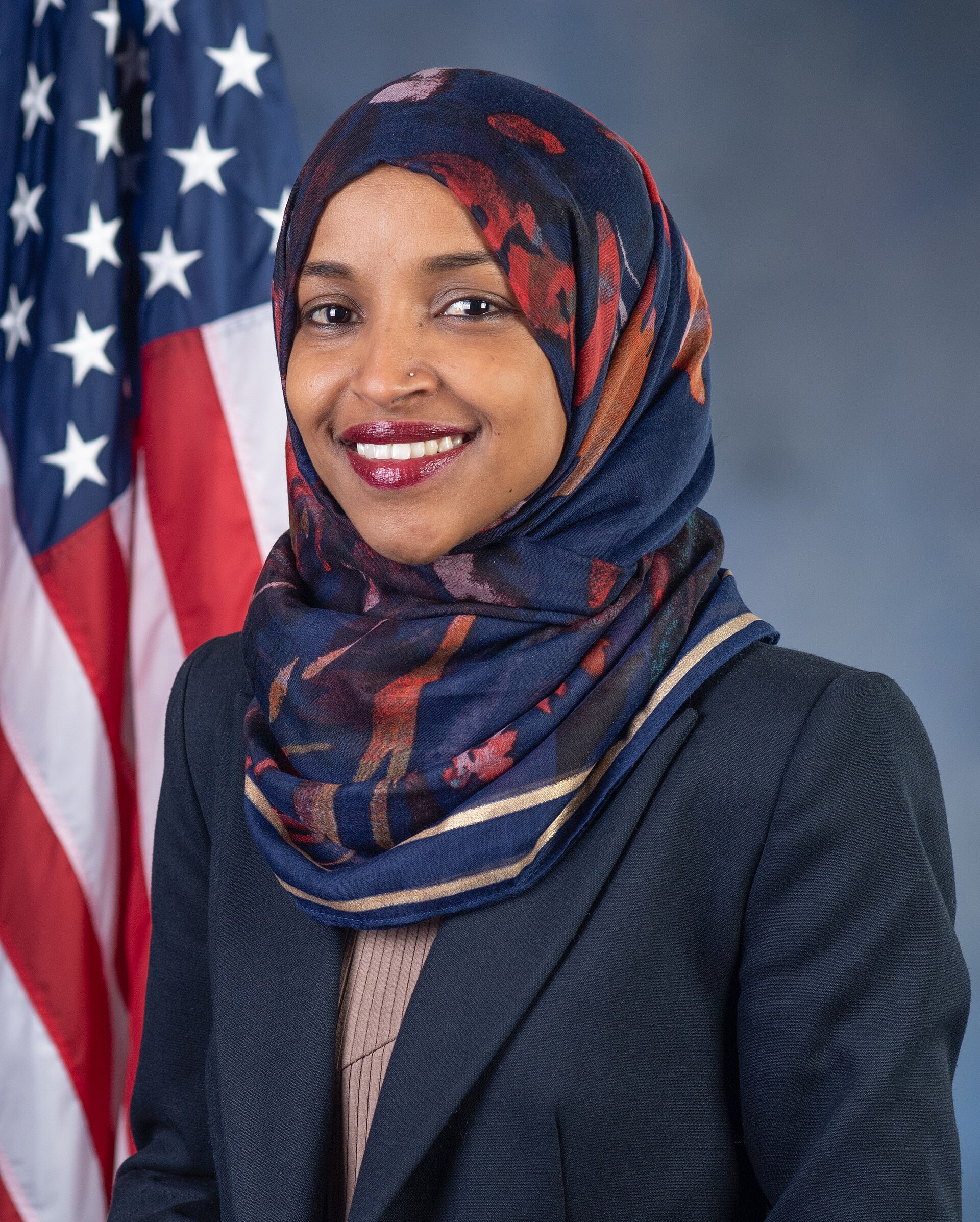
That contrast is why the moment traveled. A long presidential performance gave critics plenty to dissect, but Omar’s reply reduced it to a much simpler message: she was not treating Trump’s insult as clever, harmless dinner banter.
The word “idiot,” as highlighted in HuffPost’s framing, also explains the velocity. It is blunt, personal and easy to clip into a social-media feud. But the more important question is not whether the insult was sharp. It is why this particular setting made the exchange feel bigger than another routine Trump-Omar clash.
What Trump said at dinner
AP described Trump’s White House Correspondents’ Dinner speech as rambling and insult-filled. He praised some journalists, attacked others, joked about public figures’ weight and intellect, and returned to familiar targets across politics and media.
Among those mentioned, according to AP, were Rep. Ilhan Omar of Minnesota, California Gov. Gavin Newsom, former New Jersey Gov. Chris Christie, Bruce Springsteen, late-night hosts Jimmy Fallon and Jimmy Kimmel, former President Barack Obama and CNN journalist Kaitlan Collins.
Trump also joked about a third presidential term, despite the 22nd Amendment’s two-term limit. AP reported that he said the third time would be “better yet,” then added that he was only kidding. At the end, he put on a red “Trump 2028” cap and presented it as a “scoop” that he was running again.
For supporters, that kind of line can read as classic Trump provocation: part joke, part dominance play, part media bait. For critics, it lands differently when delivered by a sitting president who has repeatedly attacked journalists and opponents by name.
Why the WHCA setting mattered
The White House Correspondents’ Dinner has always mixed awkward comedy with institutional theater. Presidents show up, take jokes, make jokes and sit through awards that often honor reporting their administrations dislike.
This year’s event carried extra tension. AP reported that the dinner had been rescheduled after the original April event was upended by a gunman. The new version was smaller, with about 700 attendees, tighter security, a single entrance and multiple ID checks.
Outgoing White House Correspondents’ Association president Weijia Jiang of CBS News framed the rescheduled dinner as an act of resolve. AP quoted her telling the room, “We are back,” and saying the press corps would not be intimidated or let violence have the final word.
That made Trump’s tone more consequential. This was not just a comedy set in a neutral ballroom. It was a press-freedom ceremony held after a frightening security incident, with journalists receiving awards and a president using the same stage to needle reporters and political enemies.
Omar’s rebuke fit the moment
Omar has long been one of Trump’s most visible Democratic targets, and AP identified her as one of the people he singled out during the speech. Her response was notable because it did not try to answer every line, joke or aside.
Instead, the reported three-sentence rebuke functioned as a compression move. It turned a sprawling dinner speech into one digestible judgment about Trump’s conduct and intellect.
That is increasingly how political conflict works online. A long event becomes a short quote. A ceremonial appearance becomes a viral insult. A feud between two politicians becomes shorthand for larger arguments over race, immigration, patriotism, the press and presidential norms.
Omar’s critics will likely see her response as another escalation in a political culture already overloaded with insults. Her defenders will see it as a justified answer to a president who used a high-profile media dinner to take personal shots at opponents.
Roast humor or grievance politics
The White House Correspondents’ Dinner is supposed to have teeth. Presidents have mocked themselves, the press and rivals for decades. The room expects discomfort.
But there is a difference between a roast and a grievance session. AP’s account suggests Trump’s audience began with friendly laughs but grew quieter as the insults piled up. That shift matters because the dinner depends on a fragile bargain: politicians and journalists can spar in public without fully turning the evening into a campaign rally or revenge tour.
Trump’s defenders can argue that the press dinner is one of the few places where barbed jokes are not only allowed but expected. They may also argue that reporters and Democrats have mocked Trump for years and should not object when he returns fire.
Critics will counter that the president’s relationship with the press is not just banter. AP noted that Trump has attacked, sued and taken administrative action against media organizations and reporters. In that context, insulting journalists and political opponents from the WHCA stage carries more weight than a normal joke.
What remains unresolved
The immediate viral moment is simple: Trump targeted Omar during a rambling Correspondents’ Dinner speech, and Omar hit back with a short, sharp response. The larger question is whether this becomes another one-day social-media flare-up or a marker of how political rituals are changing.
The WHCA dinner is designed to celebrate journalism while temporarily softening the tension between the White House and the reporters who cover it. Trump’s appearance showed that the old format can still draw a president into the room, but not necessarily into the old rules.
It is also unclear whether Trump’s “Trump 2028” gag will be treated as throwaway provocation or folded into broader concerns about his rhetoric around term limits. He said he was kidding, but the joke works only because it touches a real constitutional boundary.
Omar’s response may be remembered mostly for its bite. But the reason it resonated is that it answered something bigger than a single insult: a night when a press-freedom event, a rescheduled security-conscious dinner and a president’s long list of grievances all collided in one Washington ballroom.




Leave a Reply