
The allegation has not produced a confirmed diagnosis, but it has revived a familiar fight over how much the public should know about a president’s health. Official records and congressional questions now matter more than viral interpretation.
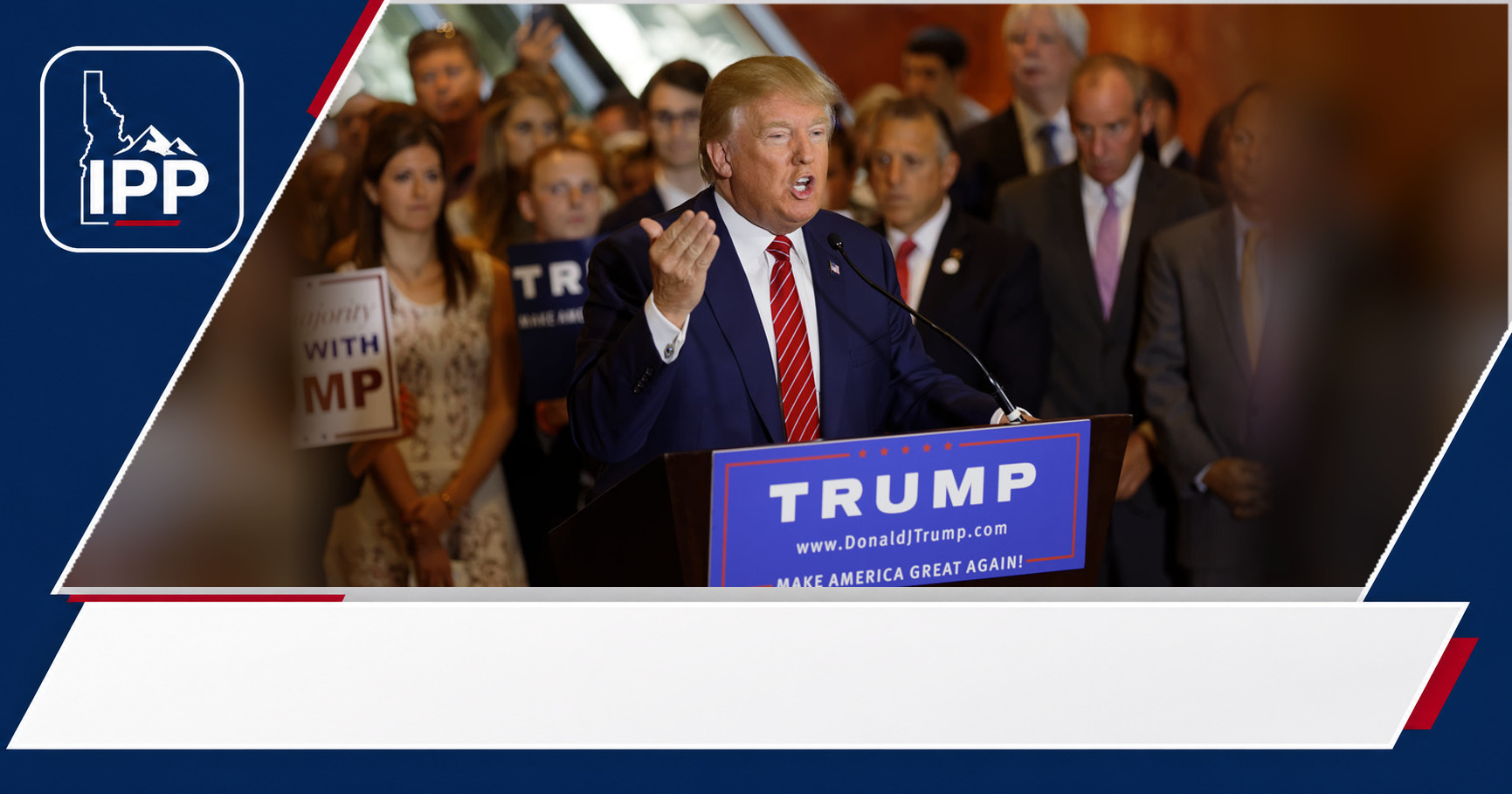
Donald Trump’s health is the focus of a new wave of Trump health fears after a report claimed he allegedly tried to hide a health issue during a major speech. The article’s larger context is now Washington, D.C.: the White House, Rep. Jamie Raskin and White House physician Captain Sean Barbabella have already been drawn into questions over reports dated June 18, 2026, May 29, 2026, and July 17, 2025, including Raskin’s pointed reference to 22 medical specialists.
That does not establish a diagnosis. It does explain why a visible moment at a speech can quickly become a fight over presidential transparency, especially when official health summaries are brief, political trust is low and Congress is asking for more detail.
The claim is not a diagnosis
The core allegation is narrow: Trump, according to the report circulating on MSN, was accused of trying to conceal a health issue during a major speech. The report helped fuel renewed speculation about his condition, but the extracted material does not independently verify a specific medical event at the speech.
That distinction matters. Public figures are scrutinized on camera constantly, and presidents even more so. A gesture, pause, stumble or attempt to shift attention can become evidence in the eyes of supporters and critics before any medical professional has weighed in.
Readers should treat the speech claim as an allegation about a public appearance, not proof of an illness. The stronger documented thread is what happened around the official health record: congressional questions, White House physician memoranda and competing claims about how complete those disclosures are.
Raskin put questions in writing
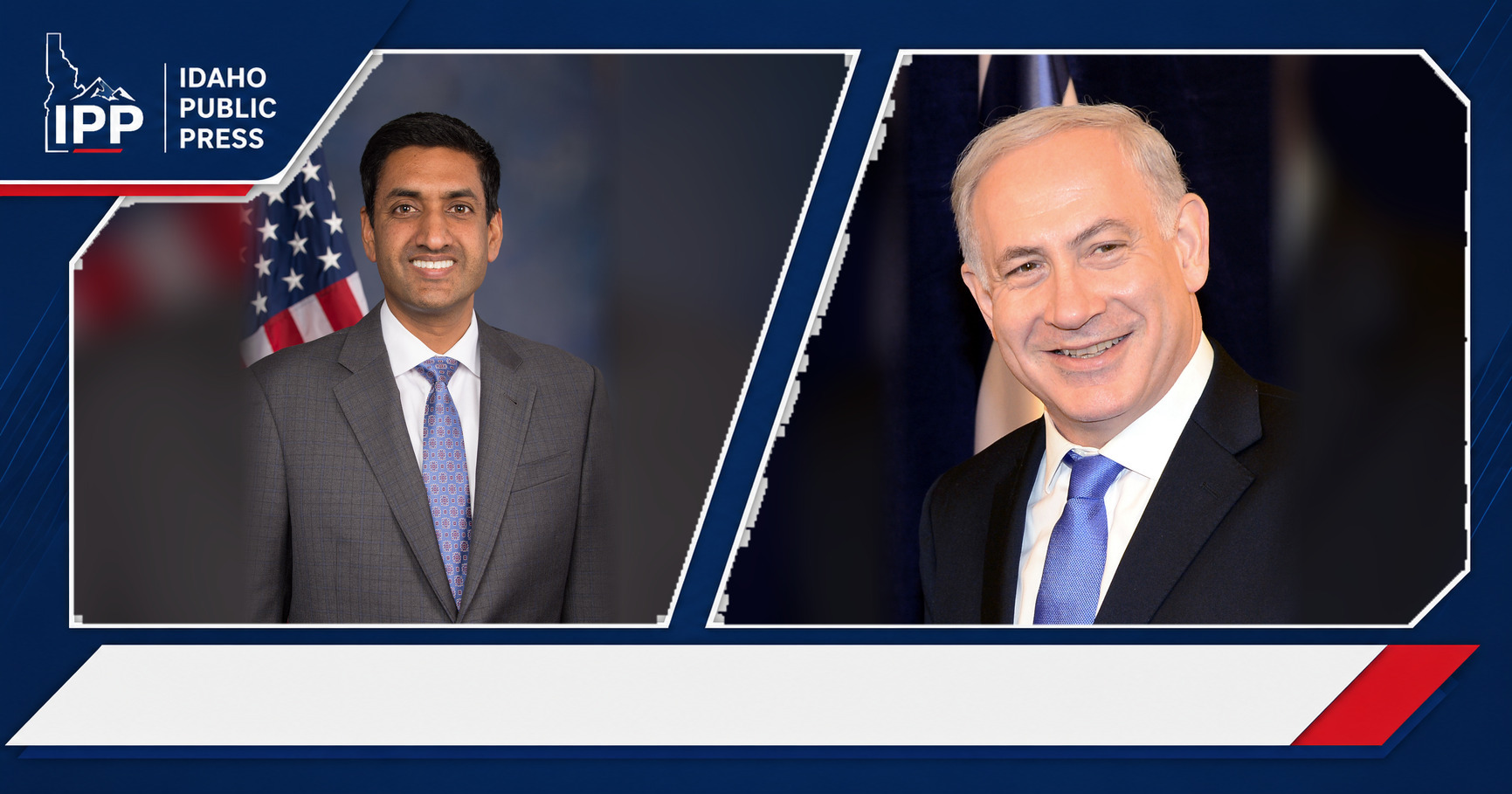
The clearest official paper trail comes from Rep. Jamie Raskin, the top Democrat on the House Judiciary Committee. A June 18, 2026 committee release says Raskin expanded a query into what it described as inconsistencies in Trump health reports and a failure to release cognitive exam results.
Raskin’s letter was addressed to Captain Sean P. Barbabella, D.O., the White House physician. In the excerpt available from the committee document, Raskin wrote that it had apparently taken 22 medical specialists to pronounce President Trump in excellent health.
That line is doing political work as well as oversight work. Raskin is not simply asking whether Trump is well; he is challenging the way the White House presented the medical assessment and pressing for underlying details that could confirm or complicate the public summary.
The White House and its allies would likely frame such scrutiny as partisan fishing, especially when it comes from a prominent Democratic lawmaker. Still, the presidency is not an ordinary job. Health disclosures become a public issue because voters, markets, allies and adversaries all have an interest in continuity and capacity.
White House memos set the baseline
The official White House record cited in the research includes physician-related memoranda listed on the White House website, including a May 29, 2026 memorandum from the White House physician and a July 17, 2025 memorandum from the physician to the president.
Those documents are important because they represent the administration’s chosen public baseline. When the White House physician says a president is fit or in excellent health, that statement carries institutional weight. It is also usually a summary, not a full release of medical records.
That gap is where much of the dispute lives. Supporters can point to official physician statements as the relevant standard. Critics can argue that summaries are not enough when there are visible episodes, changing explanations or withheld test results.
In the extracted materials, there is no new White House response specifically addressing the latest speech-related concealment allegation. What exists is the broader record of physician memoranda and Raskin’s formal effort to probe what he says are inconsistencies.
Why the speculation spreads fast
Health stories about presidents move quickly because they sit at the intersection of politics, image and national security. A campaign-style speech is not just a speech when the speaker is the president; it is also a live test of stamina, coherence and control.
That creates an incentive problem. Opponents may amplify ambiguous moments because they are politically damaging. Defenders may dismiss any concern as bad-faith rumor. News consumers are left trying to separate observable facts from interpretation.
The Trump health discussion is also unfolding in a media environment built for short clips and instant certainty. A few seconds from a long appearance can travel farther than the full event, while official medical documents often arrive as carefully worded statements that satisfy few people outside the president’s base.
The result is a familiar pattern: a visual claim prompts speculation, speculation prompts demands for records, and the fight over disclosure becomes almost as large as the underlying health question.
What remains unclear
Several key points are still unresolved based on the available source material:
- What specific health issue Trump was allegedly trying to hide during the speech.
- Whether the full speech footage supports the interpretation being circulated.
- Whether the White House will release additional medical records or cognitive test information.
- How Captain Sean Barbabella will respond, if at all, to Raskin’s June 18 request.
- Whether the 22-specialist reference reflects unusual complexity, routine consultation or political framing.
Those unanswered questions are why caution is warranted. It is possible for a health concern to be newsworthy without every viral claim being reliable. It is also possible for an official statement to be accurate while still leaving the public wanting more detail.
The real issue is transparency
The most durable part of this story is not the instant speculation around one speech. It is the pressure on the White House to make presidential health information credible to people who do not already trust the administration.
For Trump, the official position rests on physician memoranda and the claim, referenced by Raskin, that medical specialists found him in excellent health. For critics, the question is whether those summaries are complete enough and whether cognitive testing information should be made public.
Neither side is likely to settle the argument with one document. Presidential health disclosures have always required a mix of medical judgment, privacy and public accountability. The harder part is convincing the country that the balance has not been tilted for political convenience.
Until more records or direct answers are released, the responsible reading is limited: there is a reported concealment allegation tied to a major speech, documented congressional scrutiny from Raskin, and official White House physician material that frames Trump’s health as sound. Anything beyond that needs stronger evidence than a clip, a headline or a partisan assumption.





Leave a Reply